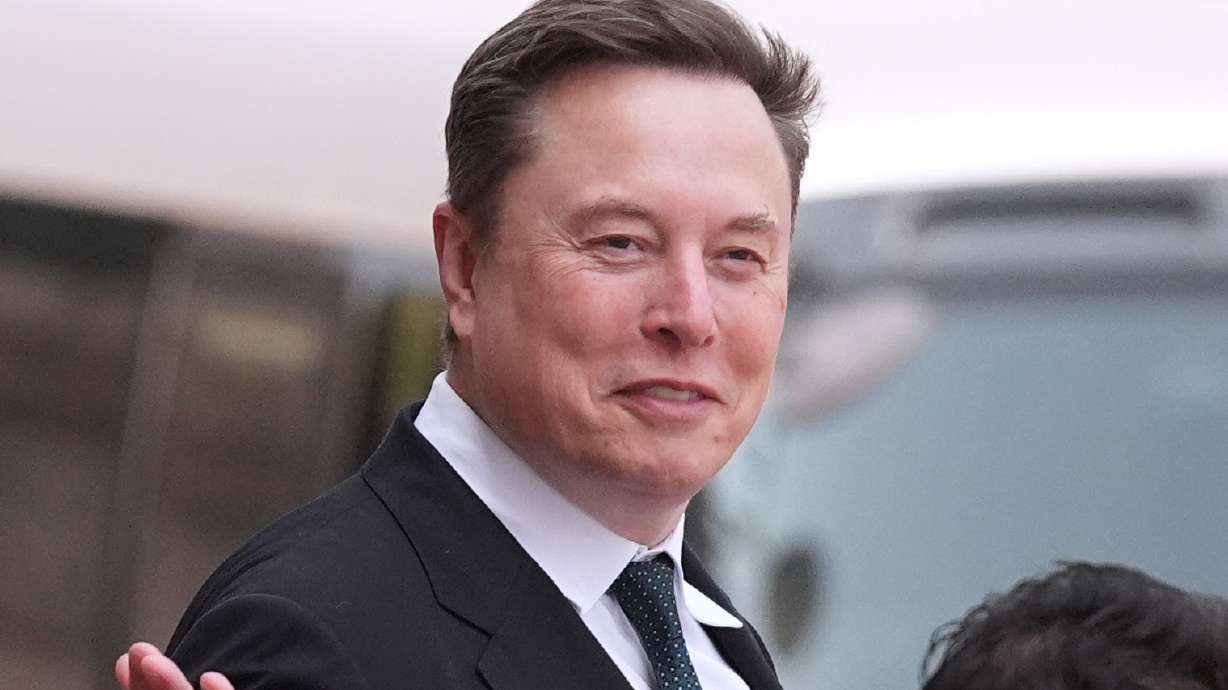
AP's survey shows typical CEO compensation rose nearly 6% in 2025 to $17.7 million, while median S&P 500 employee pay increased 4.7% to $89,744. The article highlights outsized pay packages at Tesla ($132.3 billion for Elon Musk), Welltower ($821.1 million), Broadcom ($205.3 million tied to AI metrics), and Warner Bros. Discovery ($165 million for David Zaslav), underscoring widening pay disparity and governance scrutiny. Despite the headline-grabbing figures, the piece is largely a broad compensation survey with limited direct market impact.
The second-order market read is not “CEO pay is high,” but that boards are using compensation as a capital-allocation signal: they are paying for multi-year operating discipline, not just current-period EPS. That should support firms where management has credible restructuring leverage and visible incentive math, while punishing companies where headline pay looks like extraction without a corresponding rerating path. The clearest beneficiaries are names with explicit turnaround arcs and/or AI monetization milestones, because compensation design is now effectively a public scoreboard for where boards think value creation will come from over the next 2-3 years. The more important risk is not public backlash; it is employee and regulator friction compounding in businesses already dependent on trust, low-cost labor, or reputational premia. High pay ratios can become a marginal headwind to retention and wage demands at consumer staples and retail, and they create a sharper ESG overhang for index-heavy holders when labor messaging collides with margin expansion. In banks, the compensation narrative is actually constructive: large awards tied to cleanup/reorganization imply boards believe the “penalty box” exits and balance-sheet simplification are durable, which can lower the discount rate on multi-year ROTCE stories. The contrarian angle is that some of the biggest packages are less a sign of exuberance than of scarce talent pricing in a governance vacuum. That matters because investors may be underestimating how much of these awards are purely retention tools; if performance stalls, the same boards that approved these grants can turn incrementally harsher on future comp and buybacks. For Tesla specifically, the package is a long-dated call option on execution; the stock already prices optionality, so the near-term trade is more about headline volatility than fundamental revision unless milestone probabilities change materially. Near term, expect this to matter most over weeks to months in shareholder-vote optics and proxy season positioning, not as a direct earnings driver. Over 12-24 months, the winners will be firms whose comp structures visibly align with measurable restructuring or AI monetization, while the losers are consumer-facing or labor-intensive businesses where pay-ratio optics can amplify wage pressure and brand risk.
AI-powered research, real-time alerts, and portfolio analytics for institutional investors.
Request DemoOverall Sentiment
neutral
Sentiment Score
0.05
Ticker Sentiment
