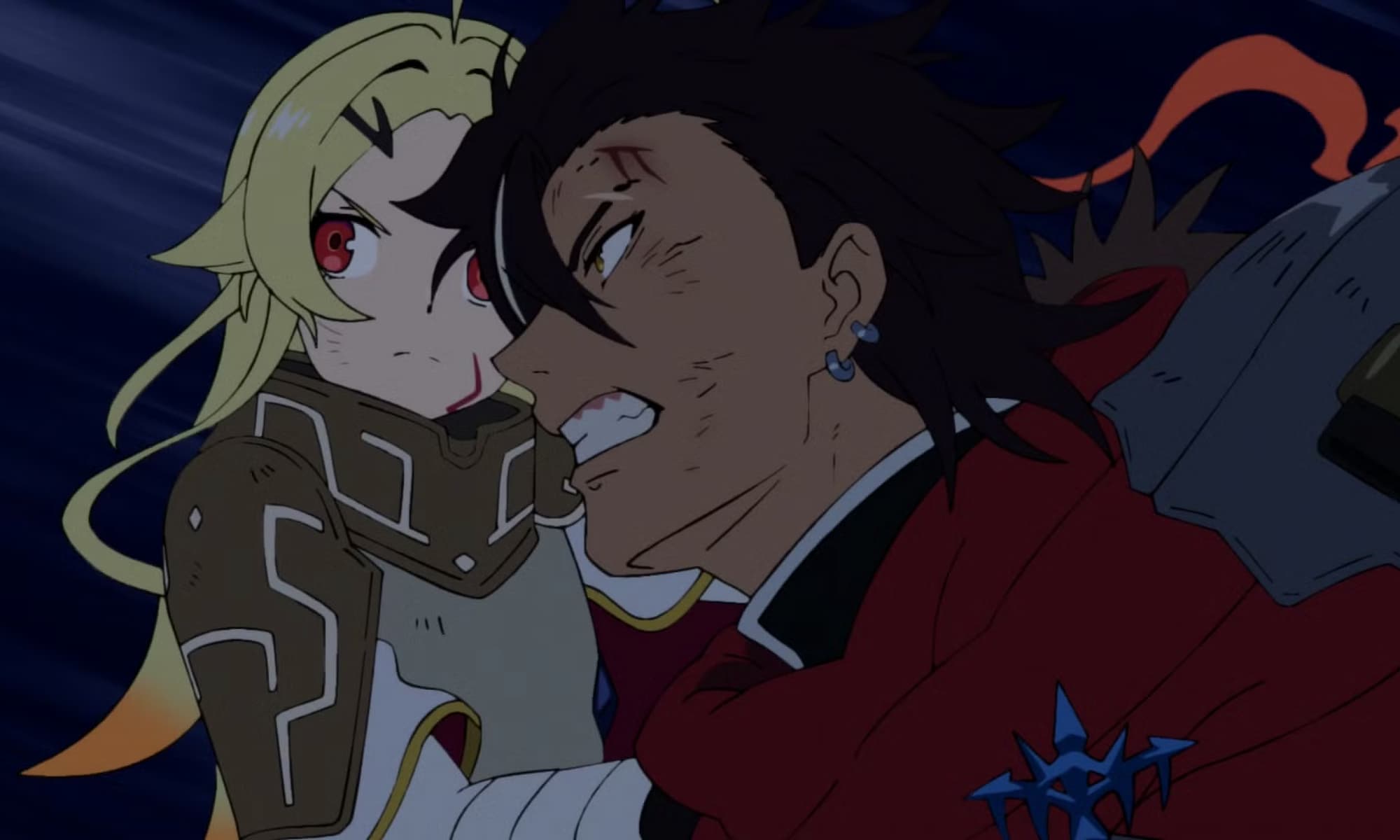
Studio Kai reported a 565 million yen ($3.54 million) loss at the end of 2025 and is now at risk of insolvency and possible closure. The studio’s financial distress puts upcoming anime projects in jeopardy, including Sentenced To Be A Hero Season 2 and future work tied to Umamusume: Pretty Derby. More than 130 employees could be affected, and the company may need to be restructured or replaced as a production partner.
This is less a studio-specific story than a sign that anime production remains structurally under-monetized relative to demand. The key second-order effect is bargaining power: when a subcontractor or mid-tier studio stumbles, IP owners and streaming platforms can re-source production, but not without delay, which tends to favor the largest, best-capitalized incumbents with multi-year capacity pipelines. In practice, that shifts pricing power toward the handful of studios that can absorb schedule slippage and staff churn, while smaller houses face a worse mix of tighter cash conversion and weaker negotiating leverage. The fastest beneficiary is not the original studio but the distribution layer that owns audience access and can monetize franchise continuity across streaming, games, and merch. A production interruption on a mid-tier title usually hurts completion risk more than demand, but it can force higher advance payments, more outsourcing, or a studio switch, all of which compress margins for the IP owner unless they have pricing power. Over 3-12 months, the market should reward platforms and rights-holders with diversified production rosters, while penalizing names that depend on a small number of fragile vendor relationships. The contrarian angle is that insolvency headlines often overstate long-term content risk because IP is portable and demand is franchise-driven, not studio-driven. That means the equity downside is more acute for vendors and labor-intensive production houses than for the underlying franchise economics. The real tail risk is not cancellation, but delay: a 6-18 month schedule slip can push revenue recognition, marketing windows, and game cross-promotions into a weaker period, which is far more damaging than a simple studio replacement.
AI-powered research, real-time alerts, and portfolio analytics for institutional investors.
Overall Sentiment
strongly negative
Sentiment Score
-0.76
Ticker Sentiment
