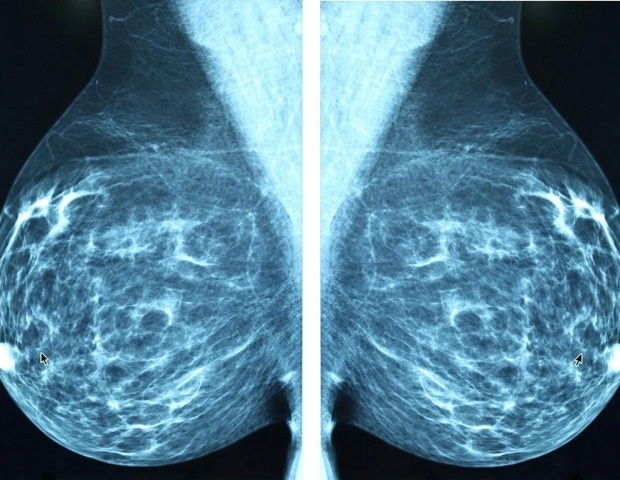
A Lancet Oncology analysis projects female breast cancer cases to rise from 2.3 million in 2023 to over 3.5 million by 2050 and deaths from ~764,000 to 1.4 million (≈44%), while years of healthy life lost climbed from 11.7M in 1990 to 24M in 2023. Age-standardised incidence is highest in high-income countries but has increased 147% since 1990 in low-income countries, and death rates have fallen ~30% in HICs but nearly doubled in LICs, signaling widening access gaps and rising demand for diagnostics, radiotherapy, and treatment in lower-resource markets. The study attributes 28% of 2023 burden to six modifiable risk factors (notably high red meat ~11% and tobacco ~8%), underscoring prevention and health-system investment as primary levers to alter trajectory and create market opportunities in oncology care and surveillance.
Market structure: Rising breast‑cancer incidence (+33% global cases by 2050; deaths +44%) shifts durable demand from HICs to LMICs where capacity is constrained. Winners are diagnostics, pathology-as-a-service, radiotherapy equipment and low‑cost chemo/generic manufacturers; branded high‑price oncology incumbents face pricing pressure and lower market share growth in emerging markets. Consumables and reagent revenue (high margin, repeatable) will outgrow one‑time device sales initially, then device replacement cycles over 3–7 years.
Risk assessment: Tail risks include compulsory licensing/policy-driven price caps (low probability, high impact) and a skills/infrastructure bottleneck (pathology/radiotherapy staffing) that can delay revenue realization by 2–5 years. Near term (0–12 months) policy moves (WHO essential list, donor commitments) can re-rate names; medium term (1–3 years) procurement cycles and patent expiries drive volume shifts; long term (3–25 years) secular growth in LMIC treatment capacity underpins durable cash flows. Hidden dependency: equipment sales require concurrent investment in training and consumables — failing one reduces total contract value.
Trade implications: Favor durable diagnostics/consumables and broad device exposure over small‑cap clinical‑risk biotechs. Tactical pair: long large-cap diagnostics/services vs short small‑cap biotech/clinical‑stage names to capture the shift from binary drug outcomes to recurring diagnostics revenues. Use options to hedge binary regulatory risk tied to trial readouts and essential‑medicine decisions.
Contrarian view: Market underestimates the multi‑year rollout lag to LMICs — adoption will be stepwise, creating multi-year cash flow visibility for diagnostics and generics but compressing margins for branded biologics. The consensus overweights early‑stage targeted oncology R&D (binary outcomes); value lies in platform providers enabling scale (pathology, consumables, telemedicine) where unit economics improve as volumes rise.
AI-powered research, real-time alerts, and portfolio analytics for institutional investors.
Request TrialOverall Sentiment
moderately negative
Sentiment Score
-0.35
