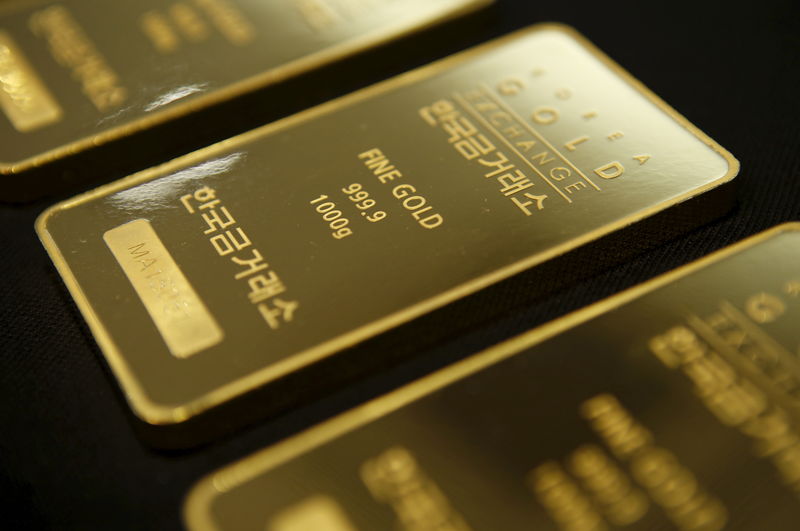
Gold jumped 1.5% to $4,577.12/oz, silver surged 3.8% to $78.3865/oz, and platinum rose 2% as weekend developments boosted hopes for a U.S.-Iran peace deal. The prospect of a ceasefire extension and reopening of the Strait of Hormuz helped pressure oil, the dollar, and Treasury yields, easing inflation concerns. The article points to broad market relief tied to lower geopolitical risk and improved supply expectations for energy markets.
The immediate read-through is a regime shift from war premium to risk-on disinflation, which should mechanically favor duration and high-multiple growth more than cyclicals. A softer dollar plus lower Treasury yields is a double tailwind for gold and for equity multiples, but the bigger second-order effect is that the market can begin to price fewer Fed tightening constraints if energy prices stay contained for several weeks rather than just a few sessions.
For equities, the setup is more nuanced than “stocks up.” The biggest beneficiaries should be rate-sensitive, long-duration software and AI names where valuation is most exposed to discount rates; even a 20-30 bps move lower in real yields can matter disproportionately. That is why SMCI and APP screen as higher-beta proxies for the broader repricing of duration, although they remain execution-sensitive and will only hold gains if the macro move proves durable beyond headline-driven positioning.
The losers are not just oil producers; the more interesting short is anything priced on persistent inflation or supply shock assumptions. Energy-equity underperformance versus broad indices can persist if the Strait of Hormuz risk premium fades, because hedge funds are likely still long crude as a geopolitics hedge and could be forced to unwind quickly, amplifying the move. The contrarian risk is that this is mostly a negotiation headline: if talks stall again, the market could reverse violently within days, but the medium-term asymmetric trade is still lower volatility and lower inflation expectations unless shipping disruption reappears.
AI-powered research, real-time alerts, and portfolio analytics for institutional investors.
Overall Sentiment
mildly positive
Sentiment Score
0.15
Ticker Sentiment
