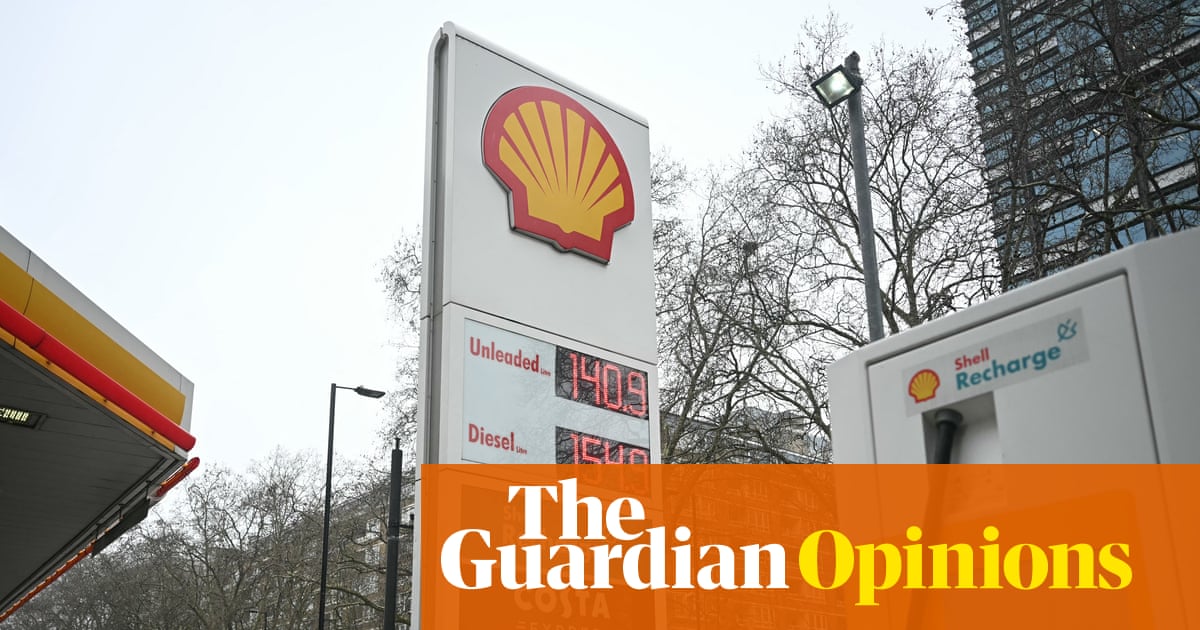
Oil spiked to about $100/barrel following attacks on Iran, triggering cascading price pressures across petrol, food and consumer goods. Fixed consumer energy tariffs became unavailable within days and markets showed signs of widescale stress, raising inflationary risks and downside to consumption and corporate margins. Investors should expect elevated volatility and sectoral divergence, with downside risk to consumer-facing names and upside pressure on energy and commodity exposures.
Geopolitical-driven cost shocks transmit less through a single price move and more through breadth: freight/insurance premia, refinery crack spreads, and upstream capex expectations. Expect regional physical basis dislocations (Mediterranean/Red Sea and Gulf routes) to widen tanker and bunker premia by an incremental 5–20% in the near term, creating outsized margins for owners of flexible cargoes and refiners able to source advantaged crude.
On demand, the real hit compounds via wage lag and compositional spending shifts: a sustained 3–4% lift in transport/energy CPI will depress discretionary volumes and push consumers toward staples, magnifying margin pressure on low-margin retailers within 3–9 months. That dynamic also accelerates substitution effects—temporary demand destruction (fewer leisure trips, lower auto miles) reduces fuel elasticity and can shave 3–7% off refiners’ throughput seasonally while boosting unit economics for fertilizer and bulk commodity exporters who pass through higher realized prices.
Key catalysts that will re-rate positions are binary and time-staggered: near-term (days–weeks) volatility tied to headlines and insurance costs; medium-term (1–6 months) price caps from SPR releases, increased tanker routing, or a shale production response; long-term (12–36 months) structural outcomes from capex pullbacks and energy transition timelines. Tail risks include rapid diplomatic de-escalation that collapses front-month premia, and central bank tightening that kills real-price inflation but raises discount rates for commodity producers.
Consensus is fixated on headline oil-price moves and is underweight the logistics/insurance pass-through and fertilizer/commodity value chain. That argues for short-dated, convex exposure to energy volatility and relative-value pair trades (energy vs discretionary) rather than long-duration outright energy equity exposure which is vulnerable to a 3–6 month demand softening or policy response.
AI-powered research, real-time alerts, and portfolio analytics for institutional investors.
Request DemoOverall Sentiment
strongly negative
Sentiment Score
-0.60
