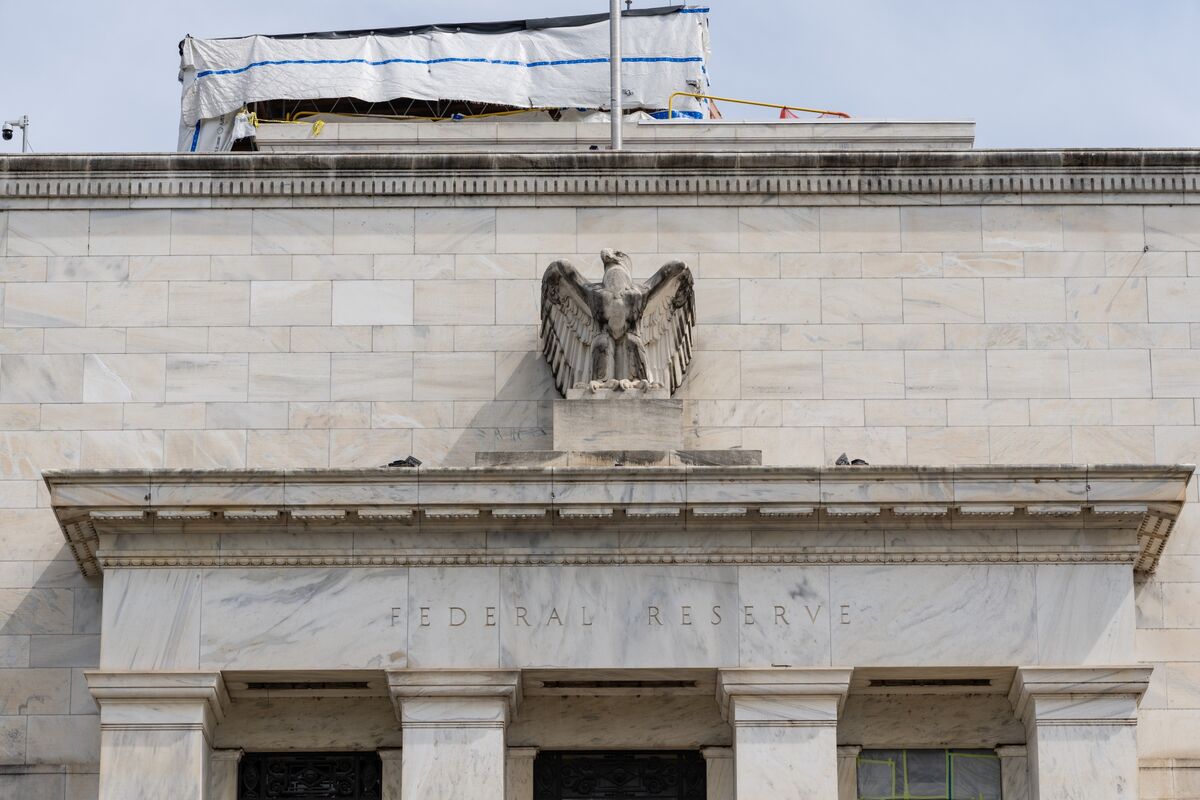
U.S. banking system reserves declined for a second consecutive week, falling by approximately $59 billion to $2.93 trillion by October 22nd, marking the lowest level since January 1st. This sustained reduction below the $3 trillion threshold is a critical factor influencing the Federal Reserve's ongoing balance sheet reduction strategy and its future quantitative tightening decisions, signaling potential implications for market liquidity.
The U.S. banking system's reserves declined for a second consecutive week, falling by approximately $59 billion to $2.93 trillion as of October 22nd. This marks the lowest level recorded since January 1st, signifying a sustained reduction in system liquidity. The drop pushes reserves further below the critical $3 trillion threshold, a level closely monitored by market participants.
This persistent reduction in reserves is a crucial input for the Federal Reserve as it evaluates the future trajectory of its balance sheet reduction program. The ongoing quantitative tightening (QT) aims to shrink the Fed's holdings, directly impacting the level of bank reserves. The central bank's upcoming decision on its balance sheet path will be heavily influenced by these liquidity trends.
The moderately negative sentiment and cautious tone associated with this data reflect concerns about potential implications for market liquidity. A continued decline in reserves could tighten financial conditions, potentially affecting interbank lending rates and the broader credit environment. Investors should monitor the Fed's response to these declining reserve levels, as they are central to monetary policy adjustments.
AI-powered research, real-time alerts, and portfolio analytics for institutional investors.
Request DemoOverall Sentiment
moderately negative
Sentiment Score
-0.50
