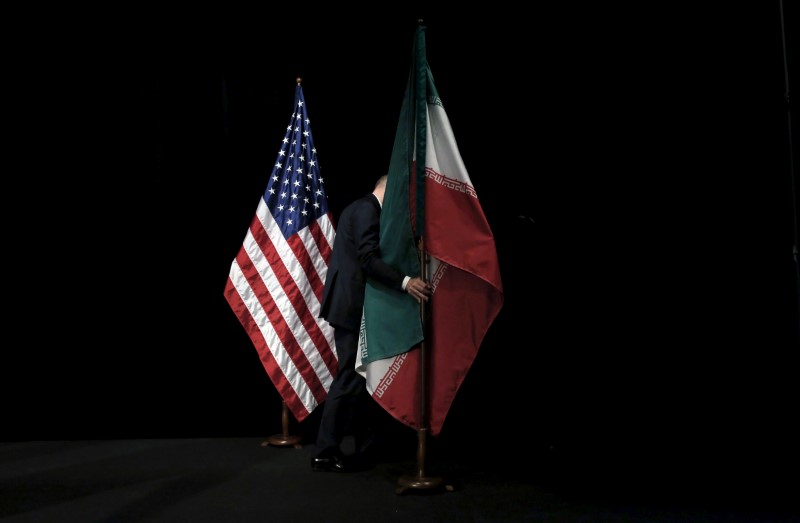
The U.S. and Iran are preparing a possible second round of face-to-face talks as the two-week ceasefire announced on April 7 nears expiration, after weekend discussions in Islamabad ended without a breakthrough. The article also notes continued mediation by Turkey and Egypt, while President Trump is pursuing a naval blockade near the Strait of Hormuz to raise pressure on Tehran. The renewed diplomacy is a partial de-escalation signal, but the unresolved impasse and blockade keep market risk elevated.
The market is treating this as a headline-risk unwind, but the deeper read is that we are moving from a pure supply-shock regime to a volatile negotiation regime. That usually compresses realized volatility in crude for a few sessions, then re-embeds a larger upside tail because every failed talk resets the probability of a shipping disruption or retaliation cycle. The most important second-order effect is not spot oil alone; it is the widening gap between near-dated implied vol and the probability of a sudden jump in freight, insurance, and product cracks if blockade rhetoric hardens.
The losers are the most levered downstream consumers and transport-heavy sectors, but with a lag. Airlines, parcel/logistics, and chemical producers can rally on any diplomatic headline, only to underperform if the corridor risk persists into the next two weeks; the market tends to underprice this path dependency because it focuses on directional oil rather than the distribution of outcomes. Defense and cyber names can also benefit if the issue shifts from kinetic escalation to infrastructure protection, border surveillance, and maritime monitoring, which creates a longer-duration budget tail than the ceasefire window suggests.
The contrarian point is that the current complacency may be premature: if negotiations continue, oil could still stay firm because traders will hedge the next failure rather than fade the current one. The best asymmetry is therefore not a simple outright energy long, but a volatility expression tied to the ceasefire deadline, where downside is limited if talks succeed but upside is convex if they fail. Expect the first real catalyst to be any confirmed venue/time for talks; absence of follow-through by next week is the more tradable signal than the headline itself.
AI-powered research, real-time alerts, and portfolio analytics for institutional investors.
Request TrialOverall Sentiment
mildly negative
Sentiment Score
-0.15
