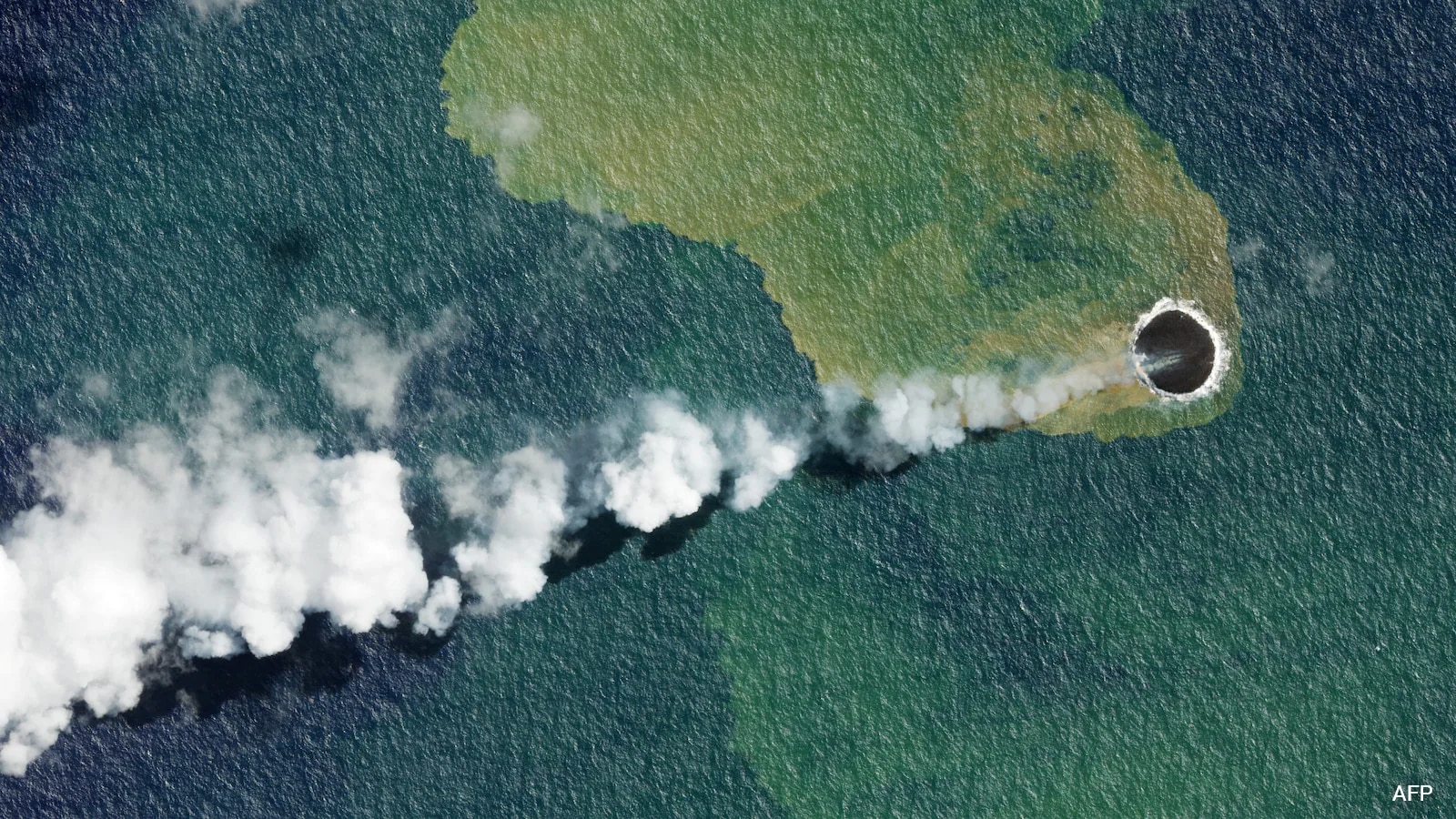
A 2022 Hunga Tonga-Hunga Ha'apai eruption may have triggered a natural process that destroyed roughly 900 tonnes of methane per day, with researchers estimating the blast released about 330,000 tonnes of methane. The finding suggests a possible new methane-reduction mechanism, but the chemistry remains unproven and needs atmospheric model validation. The article is primarily scientific and climate-related, with limited direct market impact.
The investable takeaway is not that we have a near-term methane solution, but that a previously underappreciated atmospheric chemistry pathway may be scalable in principle if the right aerosol-water-chlorine mix can be engineered. That matters most for the carbon removal complex: any credible field-level validation would be a valuation catalyst for climate-tech platforms positioned around methane abatement, industrial gas handling, and atmospheric measurement, while simultaneously raising the bar for pure-play “tech-only” decarbonization claims. The first-order market reaction should be skepticism; the second-order effect is a higher probability of targeted funding into monitoring, modeling, and ocean/stratospheric chemistry tools over the next 12-24 months.
The key risk is that this is a chemistry narrative, not yet a process narrative. If atmospheric models fail to reproduce the mechanism, the result will likely remain a scientific curiosity with no policy or capex consequence; if they do reproduce it, the downside tail is governance backlash around any intentional intervention in the atmosphere. That regulatory overhang makes geoengineering-adjacent names highly path dependent: the market may initially reward optionality, then quickly punish any hint of unintended side effects, especially if the debate shifts from methane removal to broader climate manipulation concerns.
The most interesting second-order winners are likely not the obvious methane-exposed sectors, but sensors, satellites, and climate data providers that can monetize verification. If this line of research progresses, buyers will need measurement confidence before writing checks, which favors companies that can detect trace gases and model atmospheric dispersion. Over 6-18 months, the trade is less about direct methane monetization and more about picks-and-shovels around verification, plume tracking, and environmental compliance.
Consensus is probably underpricing how little of climate policy is actually about grand solutions and how much is about measurement bottlenecks. Even if the mechanism never scales, the study reinforces that methane is still one of the few emissions categories where detection, attribution, and enforcement can create economic value today. That makes the asymmetry favorable for firms selling instrumentation and environmental intelligence, while making long-only bets on speculative climate intervention platforms vulnerable to model risk and political scrutiny.
AI-powered research, real-time alerts, and portfolio analytics for institutional investors.
Request TrialOverall Sentiment
neutral
Sentiment Score
0.10
