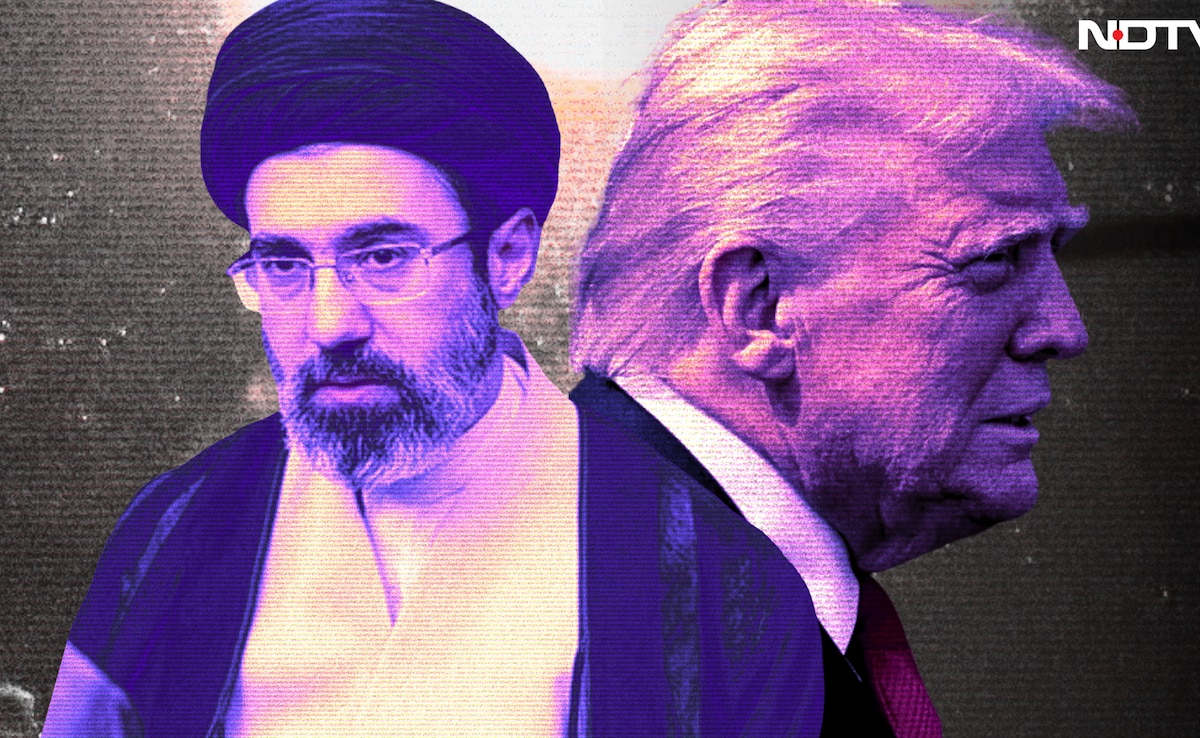
The US is reportedly conditioning resumed talks with Iran on the full reopening of the Strait of Hormuz and on Iran's delegation having authority from the Revolutionary Guard to finalize any deal. The dispute highlights a widening rift inside Iran’s leadership and raises risks for Gulf energy and shipping flows. Negotiations could resume in Islamabad as early as later this week, but no firm date has been set and the situation remains highly uncertain.
The market is underpricing how quickly a Hormuz closure/risk premium would transmit beyond crude into freight, insurance, and refinery feedstock availability. The first-order move is higher Brent, but the larger second-order effect is a liquidity shock for any asset class reliant on Persian Gulf shipping corridors: tanker rates, insured voyage costs, and working-capital needs for importers all reprice within days, while physical shortages outside the region can take weeks to show up. That asymmetry makes this a cleaner near-term volatility event than a durable fundamental bull case for energy.
The key distinction is between a brief negotiating flare-up and a genuine command-and-control fracture inside Iran. If the political delegation lacks authority, the probability of miscalculation rises materially because each side may be using talks to signal internally rather than to settle externally. In that scenario, the worst outcome for markets is not full closure but intermittent harassment of shipping: it is harder to hedge, keeps risk premiums elevated longer, and hurts Asian refiners and LNG-dependent importers more than headline oil beta would suggest.
For equities, the most attractive relative winners are not the integrated majors, but shipping/insurance-adjacent names and energy producers with low geopolitical sensitivity to Gulf flows. US shale, North Sea, and Canadian barrels should screen as substitutes, but the tighter trade is in logistics dislocations: higher spot tanker and marine insurance costs can persist even if crude retraces. The contrarian read is that if talks resume quickly, the move in crude could mean-revert fast, while freight and options-implied volatility may remain sticky, creating a better risk-adjusted expression than outright long oil.
The main tail risk is policy escalation over the next 48-96 hours; the main reversal catalyst is a credible public statement that Iran’s political and military chains of command are aligned. Until then, the path of least resistance is a higher geopolitical volatility regime rather than a clean directional commodity trend.
AI-powered research, real-time alerts, and portfolio analytics for institutional investors.
Request TrialOverall Sentiment
strongly negative
Sentiment Score
-0.62
