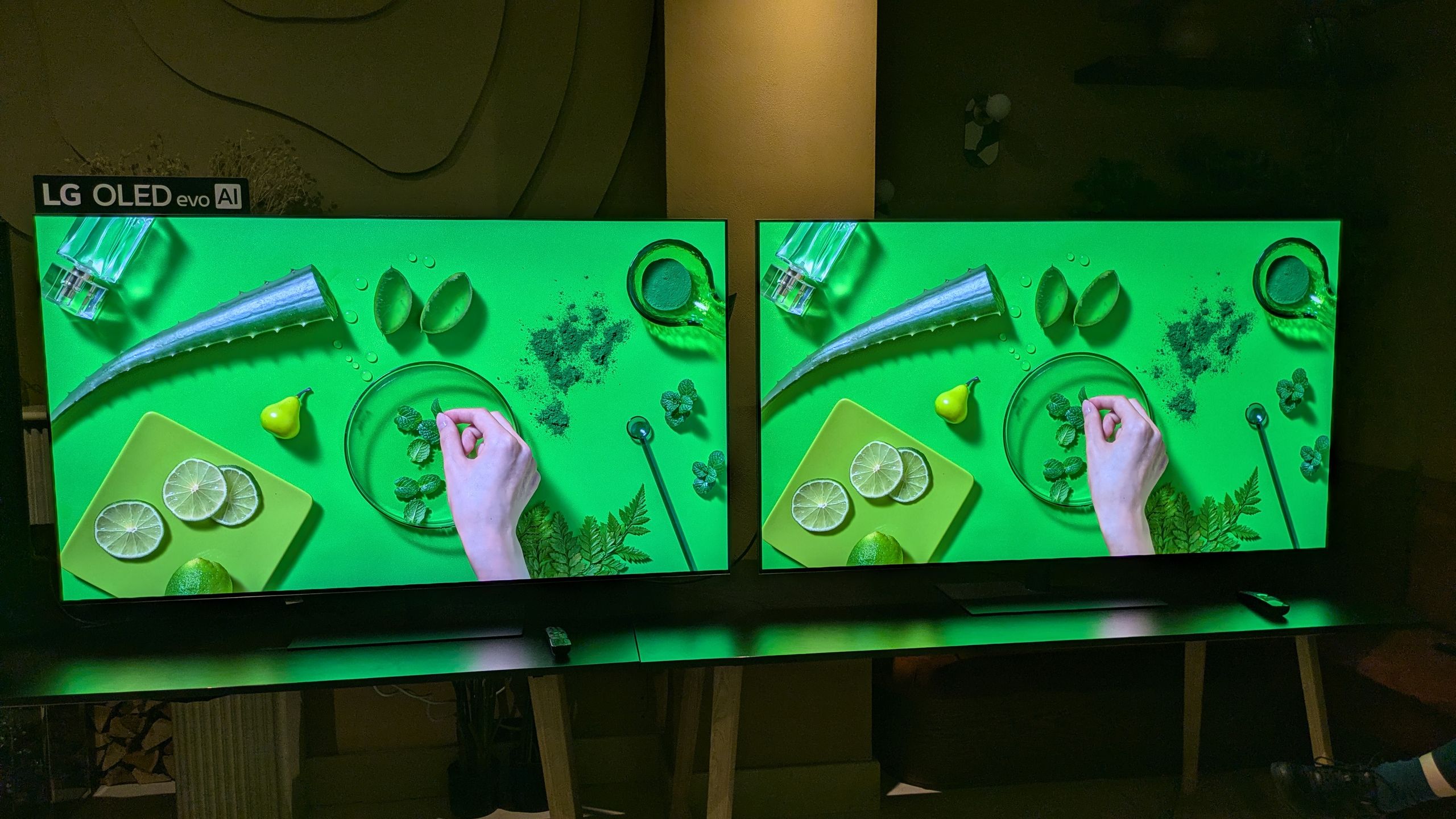
LG will add support for Eclipsa Audio to all 2026 TVs and via a free update to select 2025 models (G5, C5, CS5, QNED9M). The format, developed by Samsung and Google and released through the Alliance for Open Media with no licensing fees, enables spatial audio on built-in speakers or passthrough to compatible soundbars and is already integrated into YouTube. This broadens Eclipsa's distribution and may pressure other TV and streaming ecosystem participants (Dolby/HDR10+ dynamics, soundbar makers), but it is unlikely to produce immediate, material moves in company share prices.
A royalty-free spatial-audio standard materially lowers marginal cost for device OEMs and content platforms, which shifts the battleground from licensing negotiations to user experience and engagement. Expect fast-follow adoption by mid-tier TV and streaming device makers within 12–24 months because firmware updates and software-side decoders are much cheaper to roll out than hardware redesigns — this accelerates platform-level differentiation around audio UX rather than pure video specs. For ad-driven platforms, even a small bump in average watch time (we model 0.5–1.5% lift in minutes per user) could convert to a low-single-digit uplift in ad RPMs, concentrated in TV-screen inventory where CPMs are already 2–3x mobile rates.
Competitive dynamics favor vertically integrated ecosystems that can capture both the codec upgrade and the downstream hardware upgrade cycle: OS/device vendors and large retailers who cross-sell soundbars stand to capture aftermarket revenue and share-of-wallet on accessories. Content owners face a modest new capex decision to encode and QC mixes in the new format; large streamers with global scale will internalize that cost faster, creating a short-term advantage for platforms with in-house post production. Conversely, legacy licensing incumbents (audio middleware, premium codec licensors) face margin pressure in adjacent markets and may accelerate M&A or bundle deals to protect distribution.
Key risks and catalysts: delays in major streaming catalog conversion, resistance from pro audio toolchains, or fragmentary market adoption could push meaningful scale out beyond 24 months and blunt near-term monetization. Near-term catalysts to watch are firmware update rollouts by top-10 TV OEMs, dev tools/releases from major DAWs, and announcements of encoded content on high-reach platforms — any of these in the next 6–12 months could re-rate platform-exposed equities. A contrarian take is that consumer indifference to incremental home-audio fidelity (compared with picture quality or price) could make this a niche upgrade cycle, leaving most value in accessory makers rather than large platform owners.
AI-powered research, real-time alerts, and portfolio analytics for institutional investors.
Request DemoOverall Sentiment
mildly positive
Sentiment Score
0.25
Ticker Sentiment
