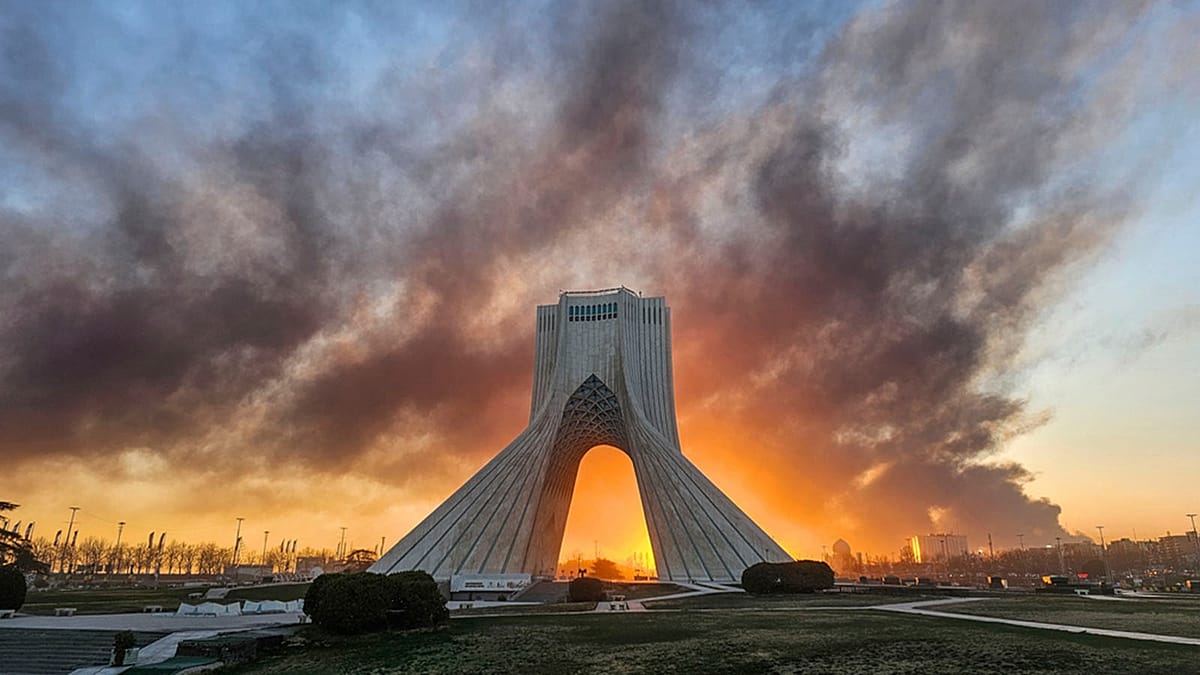
A rapid escalation of hostilities between the US/Israel and Iran has entered a fifth day, with nearly 800 reported killed in Iran, Iran claiming control of the Strait of Hormuz, and the US military saying it has struck nearly 2,000 targets in Iran. The conflict has halted tanker movement through the Hormuz, prompted Clarksons to estimate ~3,200 ships idle in the Gulf (with ~500 waiting outside ports), and is disrupting global supply chains and energy markets, prompting planned G7 finance engagement and emergency diplomatic actions. Regional strikes, missile exchanges, and attacks on infrastructure (including an alleged school strike with >150 dead and strikes in Lebanon) increase the risk of prolonged supply shocks to oil, fertilizers and other traded goods, while political fallout threatens trade relationships and may drive further sanctions and defensive market positioning.
Market structure: Immediate winners are defense primes (LMT, NOC, RTX), integrated oil majors (XOM, CVX) and oil services (SLB, HAL) from higher prices and accelerated capex; losers are airlines (UAL, AAL), cruise lines (CCL), airfreight/logistics (FDX, UPS) and EM exporters reliant on shipping. Strait of Hormuz disruption or insurance premium spikes (war-risk +30–100%) will tighten seaborne crude supply by an effective 5–20% and push Brent materially higher in days to weeks.
Risk assessment: Tail events include full closure of Hormuz (low probability, high impact → +$30–$50/bbl), NATO/US ground escalation (months-long conflict) and widespread cyberattacks on ports that widen EM sovereign spreads by 150–400bps. Immediate (days): volatility shock and safe-haven flows; short-term (weeks–months): supply-chain and earnings hits; long-term (quarters–years): sustained defense budgets and energy capex reallocation.
Trade implications: Favor directional energy, defense and gold; hedge travel/logistics. Cross-asset: expect USD strength (1–3% vs EM) and initial Treasury rally then inflation repricing if oil stays >$90 for 60+ days. Use time-limited option structures to capture realized vol while capping capital at risk.
Contrarian angles: Consensus may overpay for immediate oil spike while underpricing the 3–12 month acceleration in defense and localized energy investments. Airlines already down 20–40% could be mean-reversion plays if conflict contains within 60 days; conversely, shipping reroute costs could keep freight rates elevated for 3–6 months and benefit container specialists (ZIM) more than generalist carriers.
AI-powered research, real-time alerts, and portfolio analytics for institutional investors.
Request TrialOverall Sentiment
strongly negative
Sentiment Score
-0.75
