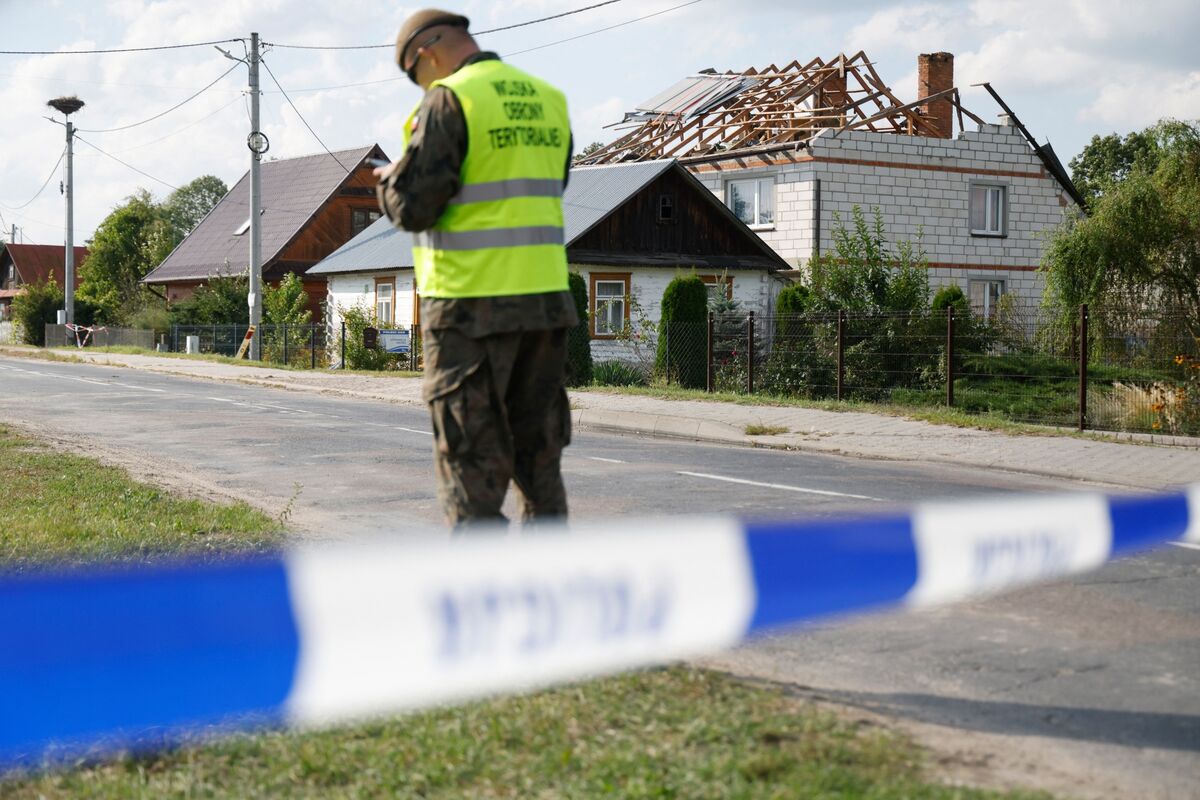
A recent incursion of Russian drones into Polish airspace has temporarily unified Poland's President Karol Nawrocki and Prime Minister Donald Tusk, pausing their intense political conflict. This rare political truce underscores how external threats can foster internal cohesion within key NATO member states, a factor relevant for assessing regional geopolitical stability.
A Russian drone incursion into Polish airspace has prompted a notable, though likely temporary, political truce between Poland's President Karol Nawrocki and Prime Minister Donald Tusk, interrupting their severe internal conflict. This event highlights how external threats from Russia can compel internal cohesion within a key NATO member state, a critical factor for assessing regional stability. The description of the president as "MAGA-backed" draws a parallel to US political dynamics, suggesting a layer of populist-nationalist sentiment influencing Polish leadership. The moderately negative sentiment score (-0.5) and moderate market impact score (0.55) attached to this development signal that, while politically contained for now, the incident meaningfully elevates the geopolitical risk profile for Eastern Europe and can impact investor confidence.
AI-powered research, real-time alerts, and portfolio analytics for institutional investors.
Request DemoOverall Sentiment
moderately negative
Sentiment Score
-0.50
Ticker Sentiment
