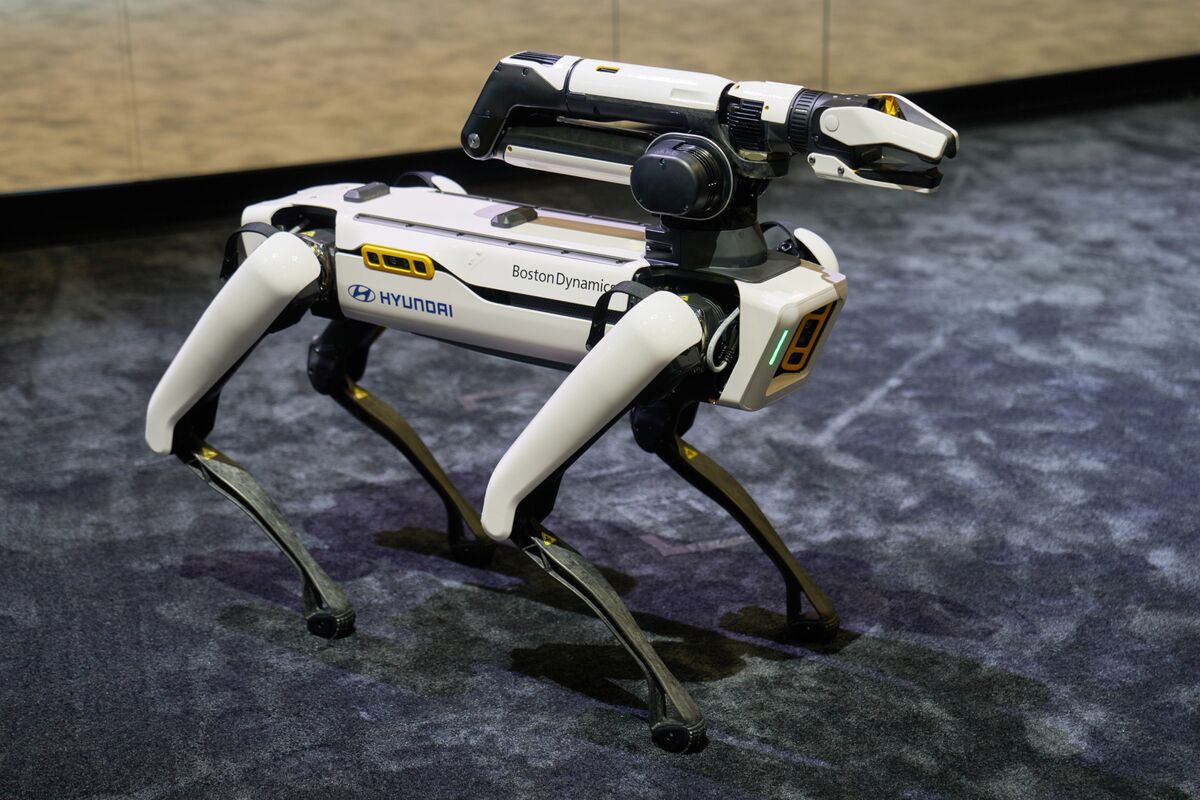
South Korea’s defense ministry is exploring cooperation with Hyundai Motor on deploying AI-powered robotics to front-line military operations as troop levels fall. The initiative reflects a push toward a high-tech, science-driven force, but details have not been finalized. The news is strategically relevant for defense and robotics/automation themes, though near-term market impact appears limited.
The important second-order implication is not that a single defense contractor may win a pilot program, but that South Korea is effectively turning labor scarcity into a capex cycle. If the armed forces can validate unmanned ground systems in a live operational setting, the spillover is likely to extend into base security, logistics, border surveillance, and eventually civil-industrial robots, creating a broader domestic procurement umbrella than a narrow weapons program would imply.
The near-term winner is less the military itself than the local autonomy stack: sensors, edge compute, actuator suppliers, and systems integrators that can meet defense-grade reliability standards. That favors companies with dual-use platforms and existing manufacturing scale, while low-end robotics vendors are likely to be squeezed because defense buyers will prioritize ruggedization, cybersecurity, and maintainability over unit cost. The longer the procurement timeline, the more this becomes a standards-setting exercise, which can entrench incumbents and raise switching costs for later entrants.
The main risk is implementation drag: battlefield robotics has a high demo-to-deployment failure rate, and a handful of public setbacks would delay budget commitment by 12-24 months. There is also geopolitical optionality in the opposite direction: any easing in regional tension or changes in reserve policy would reduce urgency, while a sharper security shock would accelerate orders but also increase the chance of export controls, supply chain bottlenecks, and higher margin take rates for proven suppliers. The market may underappreciate that the most valuable asset here is not the robot chassis but the data generated from repeated military use, which can compound moat and pricing power across commercial and defense applications.
AI-powered research, real-time alerts, and portfolio analytics for institutional investors.
Overall Sentiment
neutral
Sentiment Score
0.10
