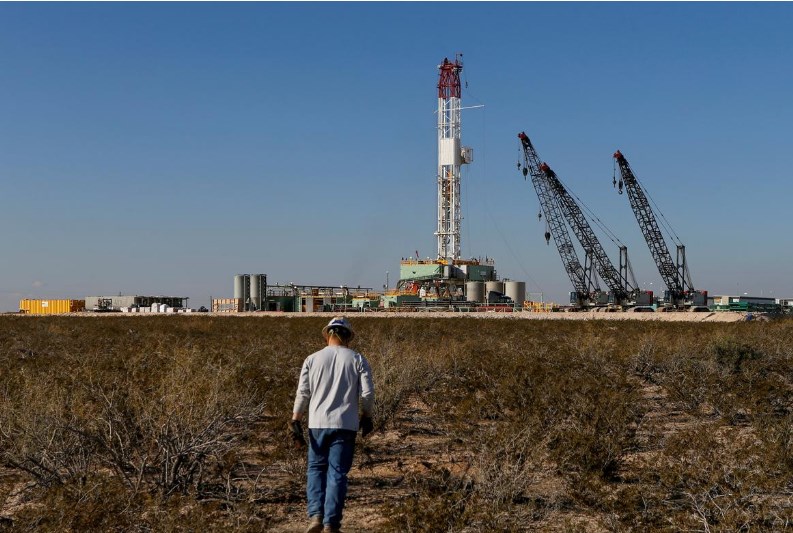
Futures rose as reports that the Trump administration considered easing sanctions on Russian oil and comments by Trump that the Iran war will end “very soon” coincided with soaring oil prices and the closure of the Strait of Hormuz. The Kremlin said removal of U.S. sanctions on Russian oil has not been discussed in detail, keeping sanction risk and geopolitical uncertainty elevated and rattling markets since Monday.
An energy-driven shock that tightens tanker/insurance spreads and raises freight costs has an outsized, immediate impact on margin dynamics across commodity producers and the supply chains that feed them. Mechanical winners are producers that can capture incremental margin within 30–90 days (low-lift barrels, short-cycle US shale and services), while losers are industries with high transport intensity and discretionary demand that cannot pass through inflation without volume loss.
Talks or signals about sanctions relief create pronounced asymmetry: a headline that meaningfully reduces the risk premium can remove $10–20/bbl from spot within 2–8 weeks as cargoes reprice and insurance costs normalize, but physical redeployment of barrels and bank/shipper re-integration typically takes 2–6 months — so volatility and basis dislocations will persist even if headline risk recedes. That timeline creates a sweet spot for defined‑risk options structures (sell some upside conviction to buy protection) and calendar arbitrage between front‑month and 3–6 month futures.
Second‑order for equities: higher oil => sticky services inflation => higher real financing costs which compresses growth multiple across ad/consumer tech more than infrastructure compute. That asymmetry favors companies selling capital equipment tied to secular AI cycles (high backlog, multi‑year contracts) versus ad‑dependent monetizers whose top line is procyclical to consumer spend and marketing budgets. Freight and input cost pressure also advantages vertically integrated or in‑country manufacturers over pure importers of assembled racks.
Near‑term catalysts to watch: front‑month Brent/WTI levels and the spread to 3‑month (curve steepness), daily tanker fixtures/insurance premium reports, OSINT showing tanker re‑routing, and official statements on sanctions mechanics (banking/insurance carveouts vs full unbanning). Reversals will be headline driven and fast — position sizing and explicit re‑entry rules matter more than directional accuracy here.
AI-powered research, real-time alerts, and portfolio analytics for institutional investors.
Request DemoOverall Sentiment
mildly negative
Sentiment Score
-0.25
Ticker Sentiment
