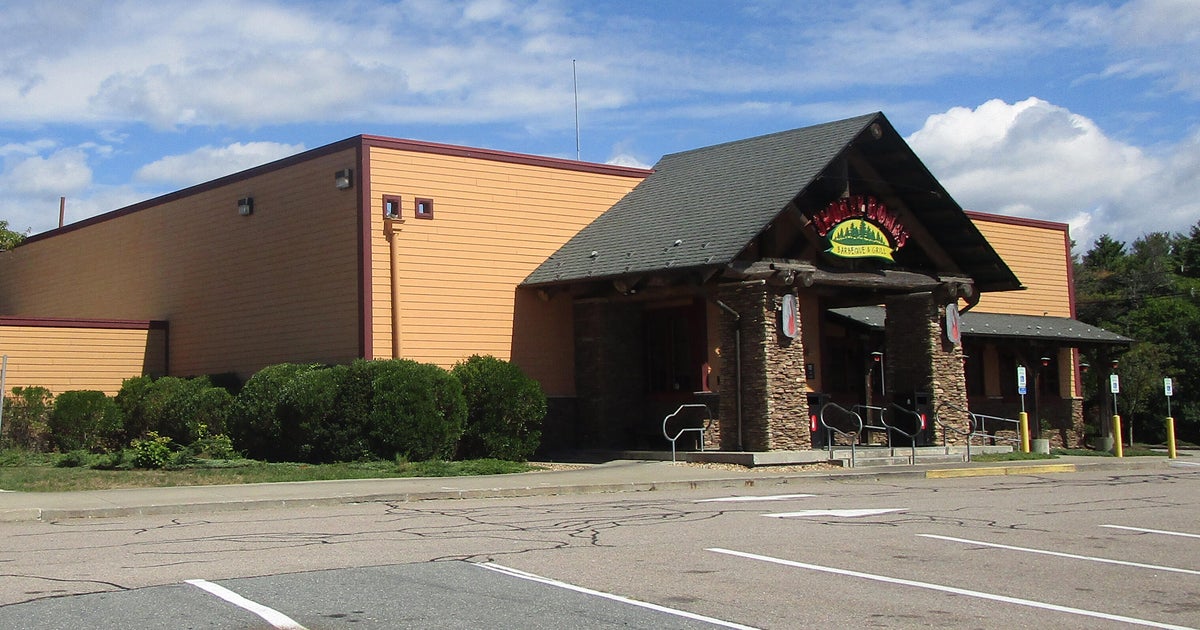
Smokey Bones is shutting all locations nationwide, including the two Massachusetts restaurants in Tyngsboro and Taunton, after Fat Brands confirmed operations ceased as of April 28, 2026. The chain had already announced 15 underperforming closures and Fat Brands filed for Chapter 11 in January, citing a challenging restaurant operating environment. The news underscores continued stress across casual dining, though the direct market impact should be limited.
This is less about one chain and more about another incremental data point that the lower end of casual dining is in a margin trap: weaker traffic, higher labor, and fixed occupancy costs create a one-way door once lenders lose patience. The second-order effect is on landlords and local mall/strip-center economics, because a vacancy in a dining box usually hits surrounding co-tenancy more than a typical retail closure; replacement rents often reset lower, pressuring net operating income over the next 6-18 months.
For public equities, the cleaner read is that “value” casual dining concepts with balance-sheet leverage remain fragile even if headline comps look stable. A bankruptcy-driven shutdown wave can temporarily improve competitive intensity for survivors, but it also confirms that demand elasticity is falling faster than operators can cut costs, which usually precedes weaker unit economics for the entire cohort. That matters most for names with high franchise exposure, refinancing needs, or lease-heavy models where EBITDA is a poor proxy for free cash flow.
The market may be underpricing the restructuring overhang on FATBP because the obvious terminal-value issue is compounded by liquidity timing: Chapter 11 in a weak consumer tape often pushes recoveries toward landlords and secured lenders, leaving subordinated paper with little optionality. Over the next 1-3 months, the key catalyst is whether this becomes an isolated brand shutdown or a broader signal that Fat Brands has to prioritize capital structure simplification over growth, which would be negative for any residual equity value and likely constrain sponsor-like M&A at the sector level.
Contrarian angle: the knee-jerk short on all casual dining could be crowded. The better expression is to target operators with the least flexible cost base and most exposed trade-down customer, while avoiding names with strong off-premise mix, lower lease burden, and cleaner maturities. If macro stabilizes and wage inflation keeps easing, surviving chains can see a brief margin rebound from reduced competition before the demand recovery shows up in traffic.
AI-powered research, real-time alerts, and portfolio analytics for institutional investors.
Request DemoOverall Sentiment
strongly negative
Sentiment Score
-0.72
Ticker Sentiment
