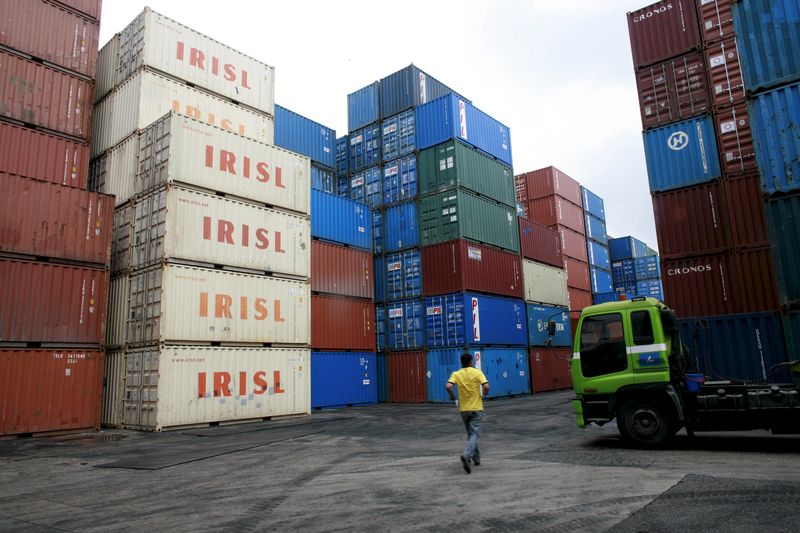
The New York Fed’s Global Supply Chain Pressures Index jumped to 1.82 in April from 0.68 in March, the largest monthly increase since March 2020 and the highest level since July 2022. The rise reflects Middle East war-related disruptions through the Strait of Hormuz, higher energy costs, and tariff-driven inflation pressures, all of which are pushing Fed officials toward holding rates steady longer or even considering a hike. The Federal Reserve kept the benchmark overnight rate at 3.50%-3.75% while markets now expect no cuts well into next year.
The market is underpricing the second-order inflation impulse from a persistent Strait of Hormuz disruption: the first-round effect is energy, but the larger medium-term issue is freight, insurance, and inventory carry. That combination tends to hit “just-in-time” industrials, autos, semis, and discretionary retailers before it shows up in headline CPI, so the earnings revisions cycle can deteriorate faster than macro consensus. In that setup, the market can simultaneously bid up defensives and rate-sensitive quality while compressing multiples on cyclicals that cannot pass through cost inflation quickly.
For policy, the key inflection is not whether the Fed hikes tomorrow, but whether the market stops pricing cuts for the next 6-12 months. If inflation expectations re-anchor above the Fed’s comfort zone, duration becomes vulnerable even if growth softens, which is the classic stagflationary mix that hurts broad indices and favors energy, defense, and pricing-power businesses. The biggest hidden loser is credit: tighter policy plus margin compression raises downgrade risk in lower-quality high yield, especially for issuers with transport, retail, and industrial exposure.
A less obvious winner is domestic logistics infrastructure with pass-through mechanisms, because rerouting away from the Gulf typically raises ton-mile demand and spot pricing for non-energy freight. Conversely, airlines and chemical/feedstock-sensitive manufacturers face a double hit from input costs and weaker consumer demand, with the pain likely showing up within 1-2 earnings cycles rather than immediately. If the geopolitical situation de-escalates, the unwind could be violent: oil and inflation breakevens would likely retrace quickly, forcing a sharp factor rotation back into cyclicals and duration, so positioning should be kept tactical rather than structural.
AI-powered research, real-time alerts, and portfolio analytics for institutional investors.
Request DemoOverall Sentiment
strongly negative
Sentiment Score
-0.55
Ticker Sentiment
