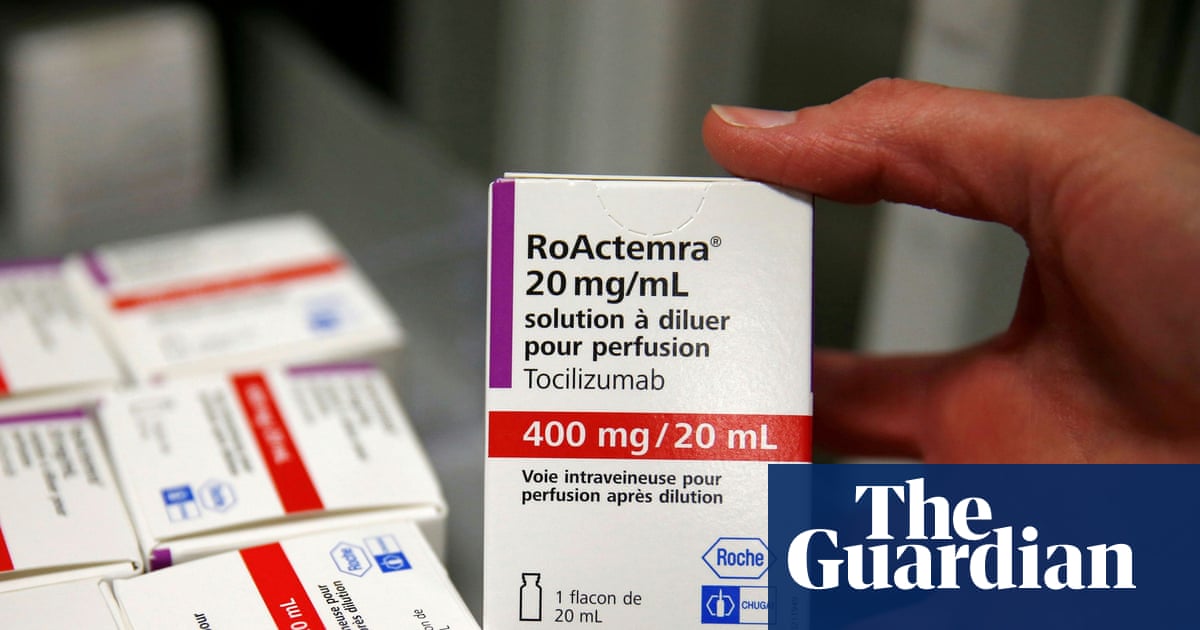
An early 30-patient trial found tocilizumab, an IL-6R-blocking immunotherapy, showed greater improvement than placebo across depression severity, fatigue, anxiety and quality of life, with remission rates of 54% versus 31%. The study was small and did not show strong statistical significance overall, but it provides early evidence that targeted immunotherapy could help patients with treatment-resistant depression. Researchers said the work is an important step toward more tailored depression care.
This is a classic biomarker-validity story, not yet a drug-efficacy story. The important signal for investors is that immunopsychiatry is moving from speculative mechanism to a patient-selection framework, which is the prerequisite for any real commercial market in depression beyond broad-brush antidepressants. The near-term read-through is to diagnostics and trial design: the value may accrue first to biomarker panels, CRP/IL-6 testing workflows, and CROs that can enrich psychiatric trials, rather than to a single drug asset.
The second-order effect is that a successful larger study would expand the addressable market for anti-inflammatory biologics into a massive, chronic neurology-adjacent indication with pricing power far above generic SSRIs. That said, the bar is high: depression trials are notoriously placebo-sensitive, so any effect that survives in a small, enriched cohort can still collapse when scaled to broader, heterogeneous populations. Expect the next catalyst to be study design rather than readout size — replication with longer duration, stratification by inflammatory phenotype, and hard endpoints like relapse prevention will matter more than short-term symptom deltas.
The contrarian view is that the market may overestimate speed of translation. IL-6 blockade is an expensive injectable with immunosuppression risk, so even if the biology is real, uptake may be limited to a narrow refractory subset and will likely require companion diagnostics, keeping the franchise more niche than the headline suggests. The real competitive moat could end up in whoever owns the algorithm that identifies inflammatory depression, not the antibody itself. That shifts the investment opportunity from “new blockbuster psychiatry drug” to “precision medicine platform in mental health,” with a much more gradual revenue ramp.
AI-powered research, real-time alerts, and portfolio analytics for institutional investors.
Request DemoOverall Sentiment
mildly positive
Sentiment Score
0.35
