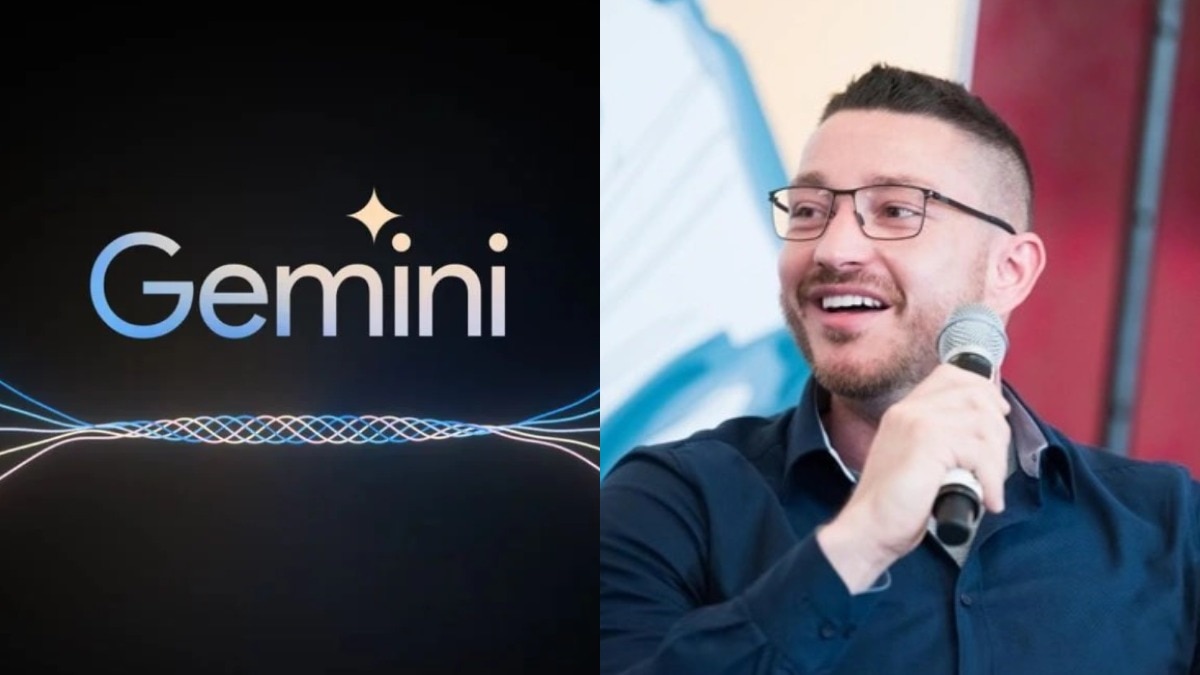
Google has revoked access for a subset of Gemini Pro users who were using the OpenClaw desktop agent to interact with Google’s Antigravity coding tool, prompting OpenClaw creator Peter Steinberger to call the action “draconian” and consider removing support. Google says the restrictions were necessary after a surge in malicious usage degraded service quality; the episode, amplified by OpenClaw’s recent affiliation with OpenAI, highlights operational and competitive risks for developers who depend on third‑party AI backends and raises questions about unilateral access controls by major AI platform providers.
Market structure: Short-term losers are platform-dependent tooling vendors and Google (GOOGL) on reputation and developer lock-in; winners are cloud and infra providers that host alternative models (MSFT, AMZN, NVDA) because developers will shift to providers with predictable access. Control over API access increases GOOGL’s unilateral pricing/leverage but simultaneously raises antitrust and developer-exodus risk that caps long-term pricing power. Demand for GPU/compute remains inelastic; supply constraints (NVIDIA lead times) sustain pricing power for NVDA for 6–24 months.
Risk assessment: Tail risks include a regulatory antitrust probe or coordinated developer migration that could depress GOOGL revenues by 5–15% over 12–24 months; an operational risk is mass throttling causing enterprise client churn within weeks. Immediate (days) risk is headline-driven IV spikes; short-term (0–6 months) is reputational flow and partner decisions; long-term (1–3 years) is platform lock-in vs. regulation. Hidden dependencies: OpenClaw’s OpenAI ownership accelerates migration, and enterprise procurement cycles (90–180 days) delay revenue impact.
Trade implications: Tactical positions: favor infra (NVDA) and durable enterprise exposure (MSFT, AMZN) and de-risk platform-centric names (GOOGL). Use options to cost-effectively hedge headline risk on GOOGL: buy 3‑month 10% OTM put spreads sized to hedge 1–2% portfolio exposure. Pair trade: long MSFT / short GOOGL for 3–6 months to capture relative developer/enterprise flow.
Contrarian angles: Consensus underestimates developer lock-in inertia—most migration takes 3–9 months—so an immediate GOOGL selloff could be overdone; conversely, too few price in regulatory escalation which could impose structural limits on platform gating. Historical parallels: Apple app-store disputes (multi-year litigation) show small developer rebellions can morph into regulatory action, creating a 10–30% idiosyncratic risk window. Unintended consequence: heavy-handed bans accelerate multi-cloud toolchains, boosting cloud and GPU spend rather than diminishing AI adoption.
AI-powered research, real-time alerts, and portfolio analytics for institutional investors.
Request DemoOverall Sentiment
mildly negative
Sentiment Score
-0.30
Ticker Sentiment
