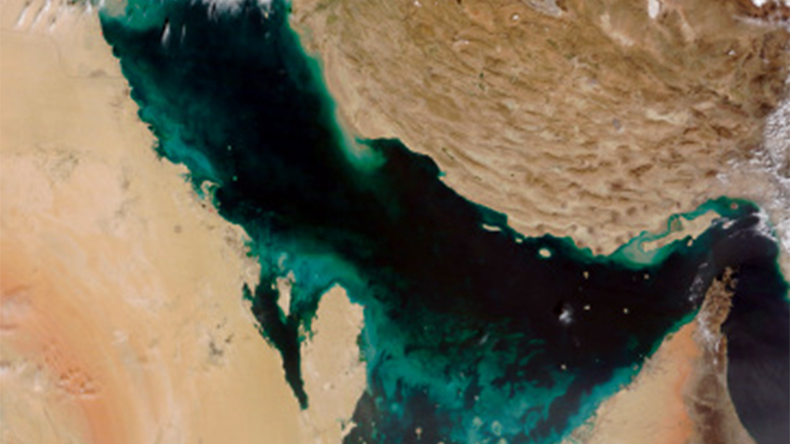
About 50% of tankers and gas carriers >10,000 dwt that transited the Strait of Hormuz between March 1-8 were part of the so-called shadow fleet as mainstream owners largely avoid the waterway after strikes beginning Feb 28. Iran loaded a VLCC at the Jask terminal — only the 5th such loading in five years — highlighting increased use of bypass routes; at least two shadow-fleet tankers have been struck and the regional maritime threat level is assessed as CRITICAL. Political pressure (including a public call from President Trump) and proposals for US/EU naval escorts are emerging, but owners remain reluctant, raising near-term downside risk to shipping flows and upside pressure on oil market volatility and prices.
The immediate market reaction is not just upward pressure on spot freight but an effective compression of available seaborne crude carrying capacity once you account for longer routing, laytime blowouts at secondary terminals, and increased idle time for regulatory inspections. A 20–50% effective reduction in operational tonnage (not fleet size) for the next 30–90 days would mechanically tighten seaborne crude availability and increase voyage breakevens across VLCC/Suezmax classes, amplifying backwardation in physical crude markets and incentivizing floating storage economics.
Second-order demand ripples favor owners and operators that can legally and operationally run higher-risk voyages (flexible flags, opaque commercial structures) while penalizing large mainstream owners via higher insurance, financing spreads and charter aversion. Refiners and trading houses that can flex geography—receivers with long-term charters in Asia or access to land routes—gain optionality; those locked into short-cycle arbitrage plays that rely on stable Hormuz throughput will see margin volatility and inventory dislocation over the next 4–12 weeks.
Key reversals will come quickly if credible naval escort schemes or robust insurance corridors are implemented (days–weeks to price), or more slowly if diplomatic détente reduces targeting risk (months). Tail risk of a marked escalation that disables major terminals would shift the market from volatility to sustained structural tightness for quarters, creating windows where option-skew and term freight curves blow out; conversely, successful enforcement actions or legal crackdowns on clandestine tonnage could force a rapid normalization and steep downside for names priced for persistent disruption.
AI-powered research, real-time alerts, and portfolio analytics for institutional investors.
Request DemoOverall Sentiment
strongly negative
Sentiment Score
-0.60
