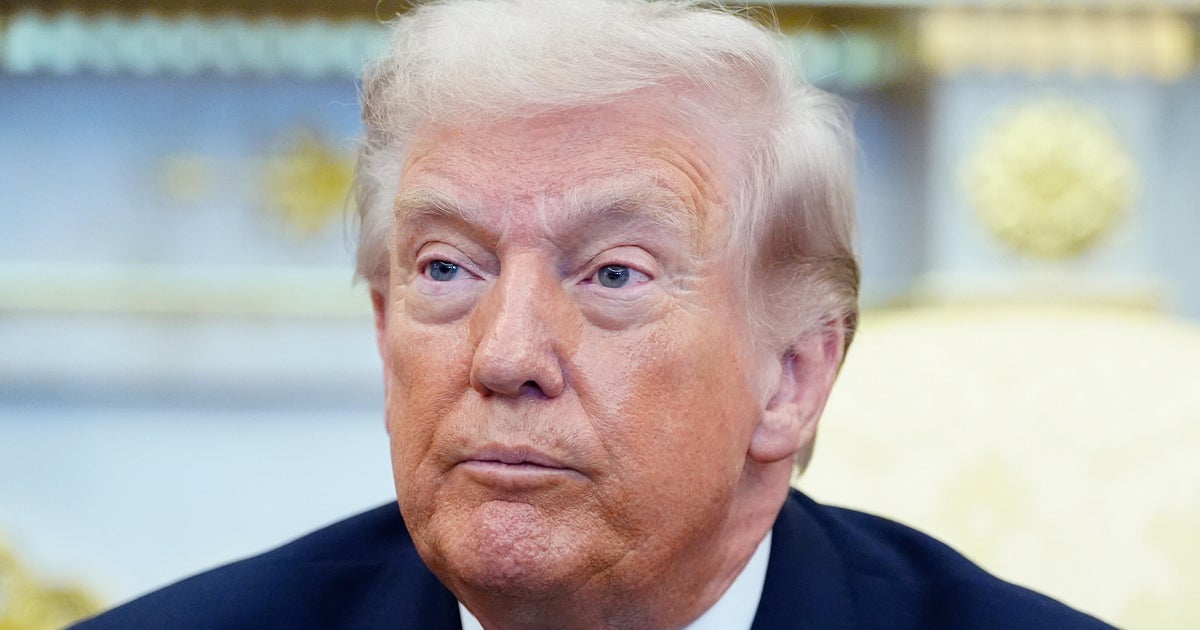
President Trump said the U.S. did not notify Japan ahead of a Feb. 28 strike on Iran, invoking Pearl Harbor to justify maintaining operational surprise. The remark risks diplomatic friction with a longtime ally and could fuel political controversy domestically, but it is unlikely to have a material market impact.
This exchange is a diplomatic gaffe with outsized optionality for defense flows: on headline days it raises the probability of headline-driven “risk-on defense” trades and increases the odds that Tokyo accelerates visible, near-term procurement decisions. Analogous military/diplomatic shocks have moved a defense ETF basket 3–6% within 1–4 weeks; a sustained procurement signal can re-rate primes by 15–30% over 6–12 months if followed by contract announcements.
Second-order supply-chain effects matter more than the soundbite. If Tokyo pushes for greater autonomy or diversification away from perceived unreliable partners, expect a 2–3 year acceleration in domestic and European sourcing for missiles, shipbuilding, and sensors — a plausible incremental Japan defense spend of $3–10bn/year would benefit domestic suppliers but could shave 5–15% market share from US primes on multi-year timelines.
Immediate winners are headline-sensitive contractors and suppliers of hardware that map directly to Japanese needs (Aegis, radar, missiles, ship propulsion). Longer-term winners could be Japanese conglomerates and European primes if Japan seeks diversification; US primes enjoy near-term upside but face structural downside risk to future share if diplomatic trust deteriorates.
Key catalysts to watch: a formal Japanese protest or request for reassurances (days–weeks), specific procurement announcements or tender changes (3–12 months), and domestic political shifts in Tokyo (1–3 years). Reversals occur if the White House issues a cooperative intelligence-sharing guarantee or locks in bilateral procurement deals — those would compress the uncertainty premium quickly.
AI-powered research, real-time alerts, and portfolio analytics for institutional investors.
Overall Sentiment
neutral
Sentiment Score
0.00
