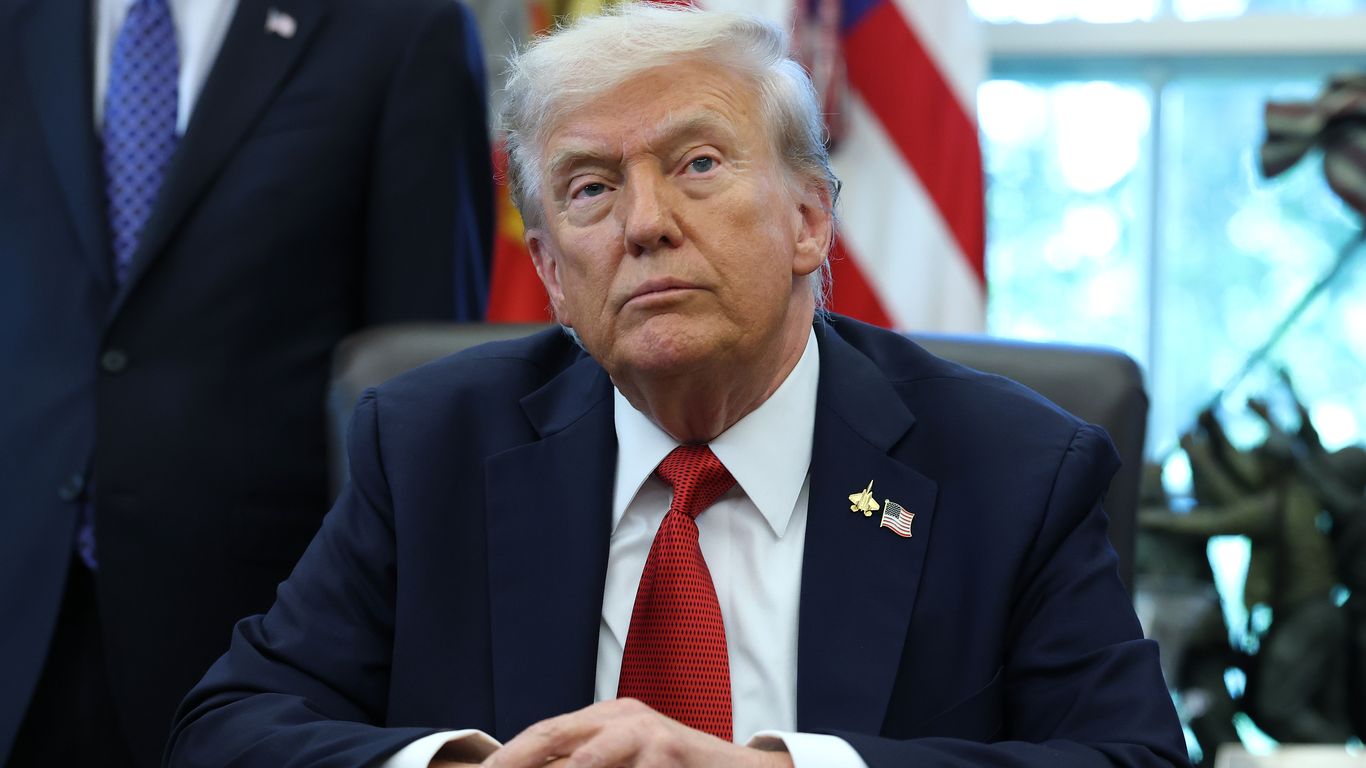
The U.S. and Iran are reportedly close to a 60-day ceasefire/MOU that would reopen the Strait of Hormuz, allow Iran to sell oil freely, and reduce immediate pressure on global oil supply. The draft also ties sanctions relief and unfreezing Iranian funds to verifiable nuclear concessions, with final details still unsettled and the deal at risk of falling apart. If completed, it would be a major de-escalation for Middle East risk and a meaningful negative for oil price volatility.
The market is likely underpricing how quickly a credible de-escalation could unwind the premium embedded across energy, freight, and regional defense risk. The first-order move is lower crude vol, but the second-order effect is a compression of insurance, shipping, and inventory-holding costs across Europe and Asia, which should be modestly supportive for airlines, chemicals, and broad cyclicals over the next 2-6 weeks. The bigger beneficiary may be EM external financing: any durable easing in Gulf tension reduces dollar scarcity pressure and improves terms for importers with large energy bills.
That said, the setup is asymmetric because the headline can be bullish for risk assets even if the agreement is only a bridge, not a solution. If markets extrapolate a full thaw, they may fade the oil bid too aggressively; the more likely base case is a temporary reopening of supply with repeated negotiation shocks, which caps the downside in crude and keeps implied vol elevated. The key second-order risk is that a partial deal lowers the probability of immediate strikes while preserving enough uncertainty to keep a geopolitical risk premium in place.
The most important contrarian point is that a softer oil complex may not be a clean bear case for energy equities if the agreement weakens compliance, because the market will quickly shift to monitoring actual export volumes rather than rhetoric. A narrow corridor of supply relief can be swallowed by forced restocking and opportunistic buying, especially if Asian refiners rebuild inventories. So the trade is less about a secular oil collapse and more about a sharp but tradable mean reversion in event premium, followed by range trading until enforcement credibility is proven.
AI-powered research, real-time alerts, and portfolio analytics for institutional investors.
Request DemoOverall Sentiment
mildly positive
Sentiment Score
0.15
