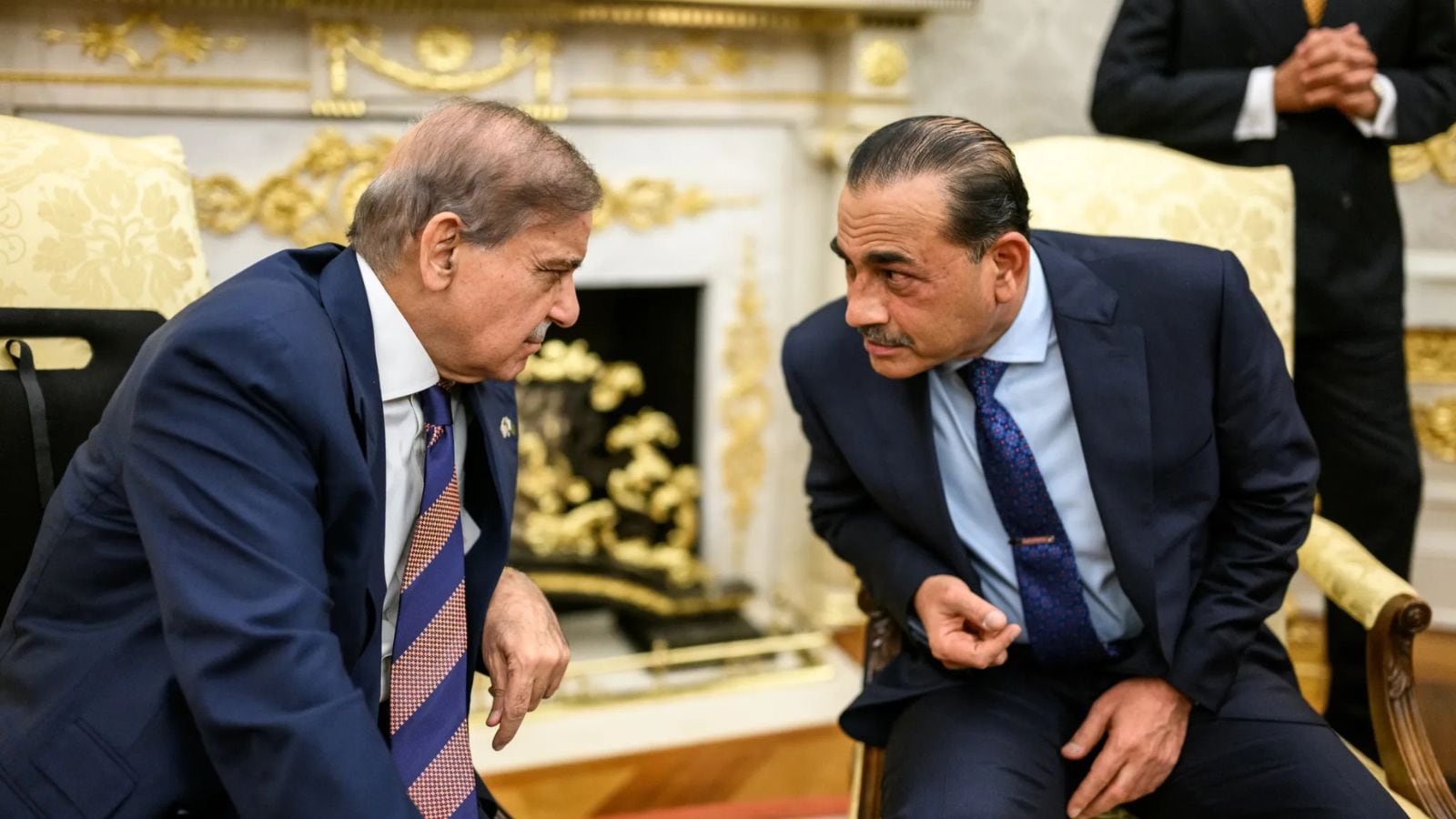
Trump urged Pakistan, Saudi Arabia, Qatar, Turkey, Egypt and Jordan to join the Abraham Accords, framing expanded normalization with Israel as part of a broader Middle East peace deal involving Iran. Pakistan rejected the proposal, reaffirming that it will not recognize Israel until a sovereign Palestinian state exists on pre-1967 borders with East Jerusalem as its capital. Any future accession would also require changing Pakistan’s passport language, which currently bans travel to Israel.
This is less a near-term market event than a signal that Middle East normalization is becoming a bargaining chip in broader US regional architecture. The market implication is not in Pakistan itself but in the probability that Washington is willing to tie security guarantees, sanctions relief, and investment access to diplomatic alignment, which would incrementally lower perceived geopolitical tail risk across Gulf assets over months rather than days. That usually benefits sovereign credits and domestic reformers in countries seen as next in line for normalization, while hurting the price of hardline positions that depend on perpetual conflict premium.
The second-order effect is on Pakistan’s policy flexibility and external financing narrative. Any visible pressure to alter passport law or recognition policy raises domestic political friction, which can delay IMF-style reform execution and keep Pakistan risk premia sticky even if no formal policy shift occurs. For regional trade and travel, the real catalyst is not a headline statement but whether bureaucratic implementation starts: visa reciprocity, airline routings, embassy staffing, and procurement rules would create measurable beneficiaries in aviation, hospitality, payments, and logistics.
The contrarian view is that the market may be overestimating the speed of normalization and underestimating the domestic veto points in Pakistan and other named states. Historically, these announcements create a high beta headline move but a low conversion rate into binding treaties; the first tradable step is usually not diplomatic recognition but incremental backchannel coordination and sector-specific MOUs. If that pattern repeats, the best risk/reward is not chasing broad EM beta, but expressing the view through assets exposed to a lower Middle East risk premium and relative losers from stalled regional integration.
Tail risk cuts both ways: if one major Sunni state signals even partial acceptance within 3-6 months, the signaling effect could compress regional risk premia faster than consensus expects and re-rate names tied to Gulf tourism, aviation, and defense procurement. Conversely, a Pakistani policy hardening or domestic backlash would likely push the story into a longer timeline and reinforce the market’s existing skepticism, limiting any immediate follow-through.
AI-powered research, real-time alerts, and portfolio analytics for institutional investors.
Request DemoOverall Sentiment
mildly negative
Sentiment Score
-0.15
