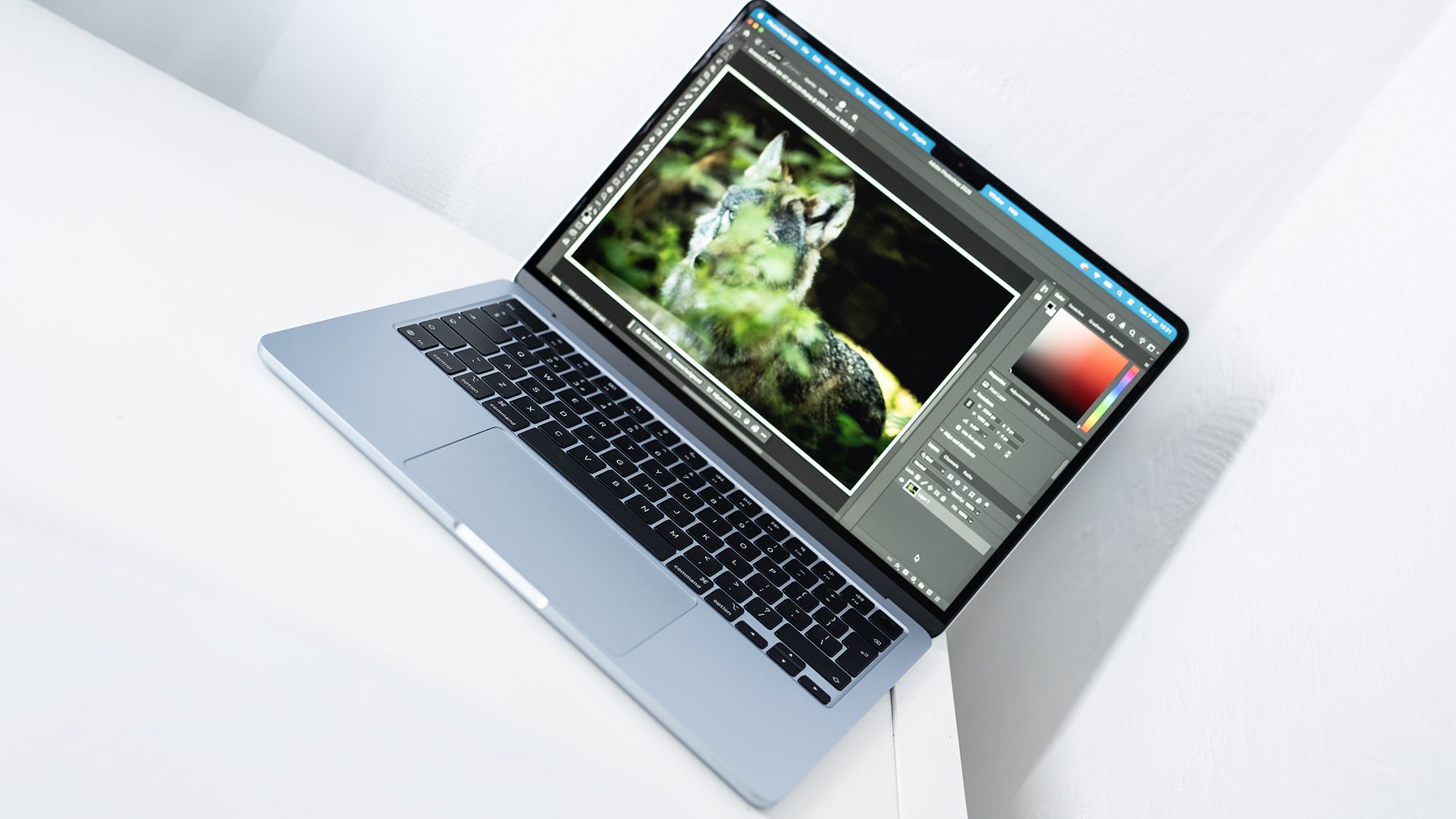
Apple’s new 13-inch MacBook Air with the M5 starts at $1,099, with the fully upgraded configuration reaching $2,699. The review is broadly positive, highlighting strong CPU performance, slim design, Thunderbolt 4, and excellent battery life, while noting limits in sustained workloads, upgradeability, and GPU performance versus Windows rivals. The article positions it as a compelling portable editing laptop for most users, though power users should still prefer the MacBook Pro.
This is a modestly positive read for Apple because it reinforces a familiar but important SKU ladder effect: the Air is becoming the default “good enough” professional machine rather than an entry consumer laptop. That matters because it can expand Apple’s attach rate on higher-memory and higher-storage configurations, which are where the margin mix is richest; the base price is less important than how often buyers get pushed into the pricey upgrades.
The second-order dynamic is competitive, not just product-level. A passively cooled M5 Air that approaches entry Pro performance narrows the practical gap between the Air and the lower end of the Pro line, which can cannibalize some Pro units but also makes Apple more dangerous in the Windows ultraportable segment. The real pressure falls on PC OEMs selling thin-and-light models that still need fans, chargers, and discrete GPUs to match battery life and perceived polish.
From a risk lens, the key question is whether this improves unit mix enough to offset the usual Apple headwind: upgrade fatigue and a premium-priced ecosystem that can stall if consumers delay replacement cycles. The tailwind should show up over months, not days, as camera, creative, and mobile-worker buyers refresh devices; the downside catalyst would be a broader slowdown in consumer IT spend or a better-than-expected Windows ARM response that compresses Apple’s differentiation.
The contrarian takeaway is that the biggest beneficiary may not be the Air itself, but the broader Apple ecosystem: each incremental Air sale raises the probability of iPhone, iCloud, and accessory retention. By contrast, the market may be underestimating how much this product can blur the line between Air and Pro, which could cap ASP upside in the short run even as it boosts volume.
AI-powered research, real-time alerts, and portfolio analytics for institutional investors.
Request DemoOverall Sentiment
mildly positive
Sentiment Score
0.45
Ticker Sentiment
