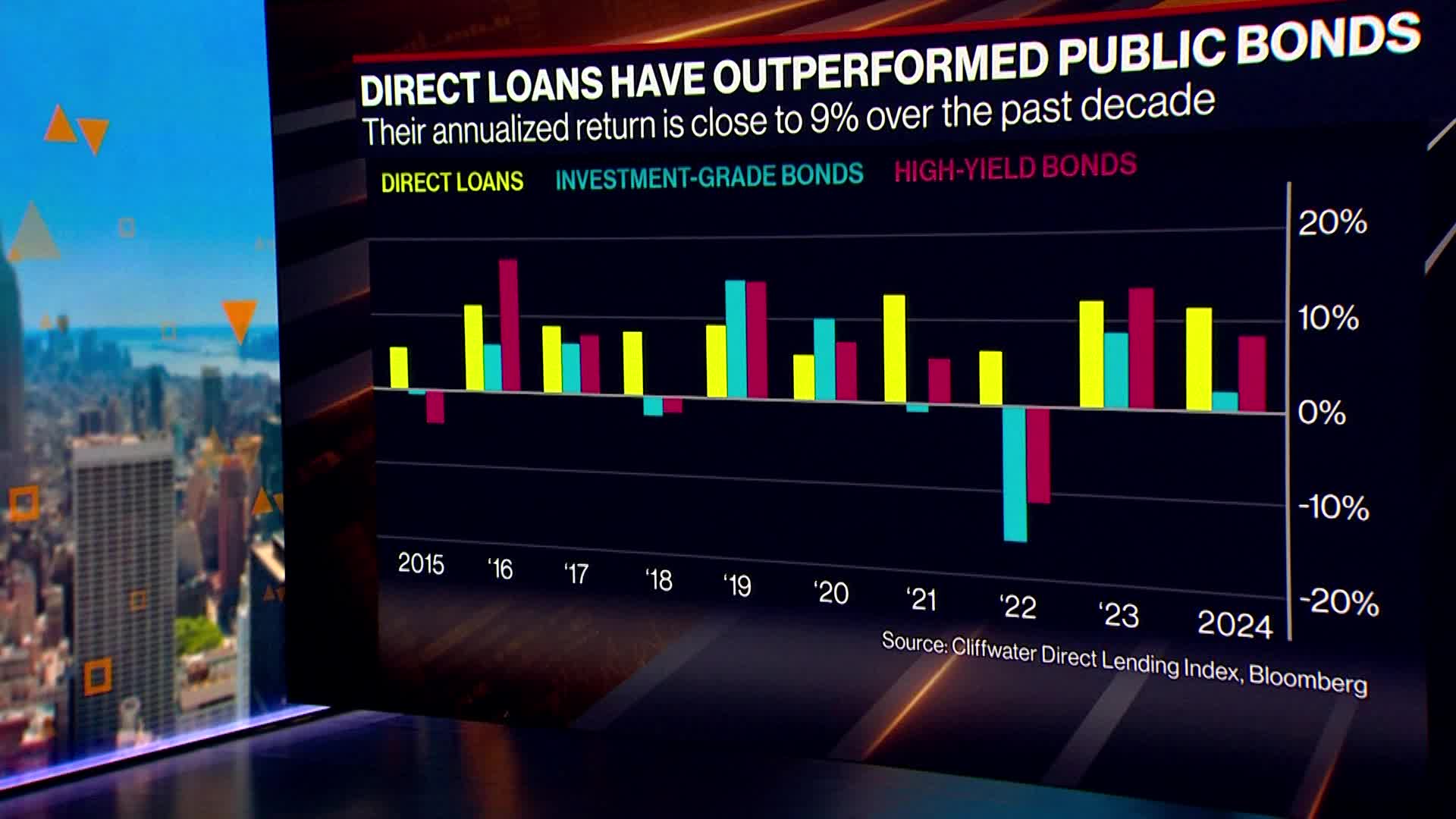
Global life insurance companies are competitively increasing their private credit allocations to enhance profitability, even as the inherent risk within this debt class shows signs of escalating. This trend indicates a continued pursuit of yield amidst evolving risk profiles for institutional investors.
Global life insurance companies are engaged in a strategic portfolio shift, increasing allocations to private credit under competitive pressure to enhance profitability. This move represents a clear trend of yield-seeking behavior among institutional investors. However, this strategy is being executed against a backdrop of escalating risk within the private credit asset class itself, as noted by the article's cautious tone and mildly negative sentiment score (-0.35). The core tension for the sector is the trade-off between the pursuit of higher returns to boost earnings and the simultaneous acceptance of a deteriorating risk profile on their balance sheets. This dynamic suggests that while near-term profitability may improve, the vulnerability of these insurers to a downturn in the credit cycle is increasing, a significant factor for assessing their long-term financial stability.
AI-powered research, real-time alerts, and portfolio analytics for institutional investors.
Request DemoOverall Sentiment
mildly negative
Sentiment Score
-0.35
