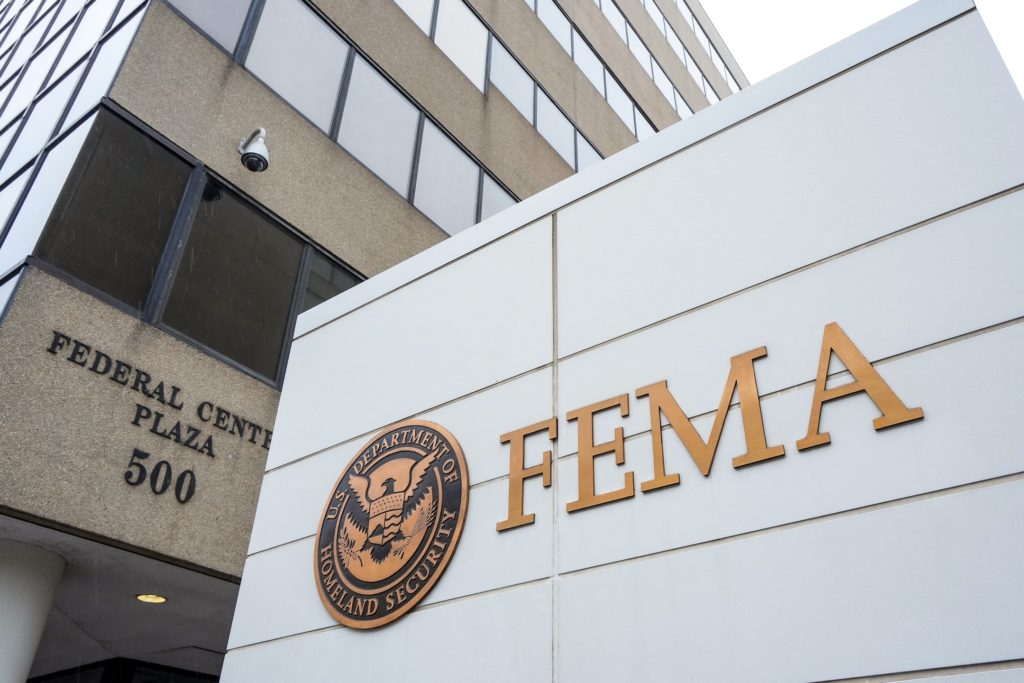
A presidential review council is proposing a major FEMA overhaul that would shift more disaster-response responsibility to states, streamline individual assistance, and add performance metrics tied to federal funding. Former FEMA head Deanne Criswell said many changes are reasonable but stressed implementation details and warned against one-size-fits-all standards across states with very different disaster exposure. The article is policy-focused and does not indicate an immediate market-moving event.
This is less a near-term market event than a multi-year reallocation of fiscal and operational responsibility from federal to state balance sheets. The second-order effect is widening dispersion among states: high-frequency disaster states with mature emergency apparatus should absorb the change, while lower-capacity states will likely see more funding friction, slower reimbursements, and greater reliance on consultants, insurers, logistics providers, and temporary housing vendors. That creates a winner set outside traditional FEMA beneficiaries: firms selling preparedness software, incident management, debris removal, generator rental, mobile comms, and short-duration shelter capacity.
The most important investment implication is budgetary substitution. If federal support becomes more conditional and metrics-driven, states will front-load spending on preparedness to protect future funding, which should benefit pre-disaster resilience capex and planning budgets before it shows up in actual response spend. The lagged losers are post-disaster humanitarian housing and broad-based reimbursement ecosystems, where stricter standards can slow cash flow and compress demand for lower-margin service providers dependent on blanket federal outlays.
The contrarian angle is that markets may overestimate implementation speed and underestimate political backlash after the next major storm. Any highly visible failure in a low-capacity state would likely force Congress or DHS to relax the regime, creating a stop-start policy path rather than a clean federal retreat. In other words, the trade is not on FEMA itself but on the spend displacement and procurement cycle around it; the catalyst is the first major disaster under the new rules, which could reprice expectations within days, while full budget effects play out over 2-4 budgeting cycles.
AI-powered research, real-time alerts, and portfolio analytics for institutional investors.
Request DemoOverall Sentiment
neutral
Sentiment Score
-0.05
