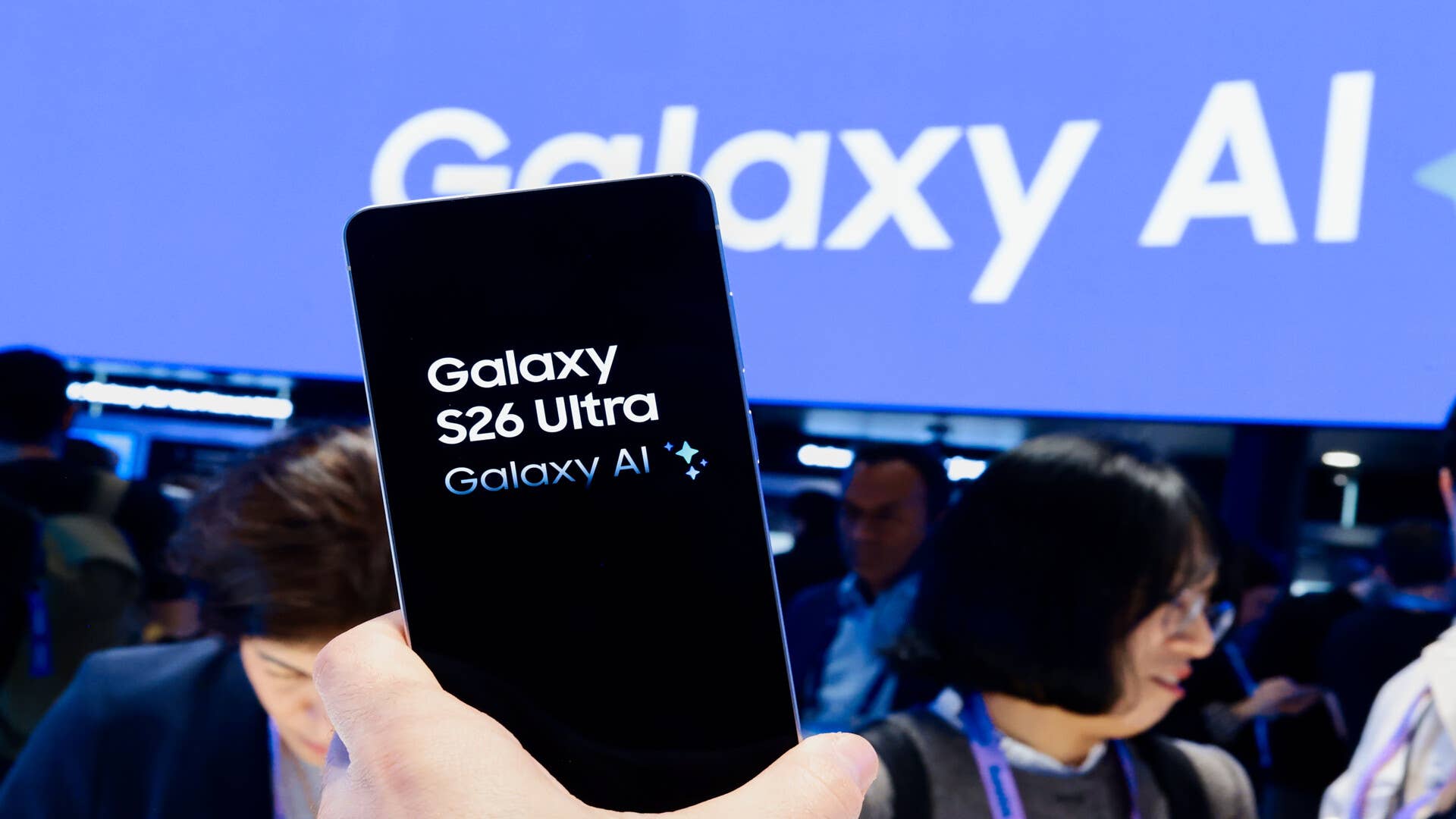
1.35 million Galaxy S26 preorders in South Korea from Feb. 27–Mar. 5, with 70% of orders for the Ultra model, signaling strong premium demand. This occurred despite price increases (base S26 up ~8.6% in Korea; U.S. base/Plus at $899/$1,099 while Ultra price was held) and a four-day shorter preorder window, suggesting pricing power and favorable mix that could support mobile margins; Samsung’s MX reported KRW 29.3 trillion in sales and KRW 1.9 trillion operating profit in Q4 2025 (group Q4 sales KRW 93.8 trillion, op profit KRW 20.1 trillion). Key near-term watchpoints: whether Ultra strength holds in other markets, whether promotions (˜30% joined the AI subscription and storage-upgrade incentives) compress margins, and whether the AI-focused pitch drives sustained upgrade momentum as rollout expands to ~120 countries from March 11.
The early Korea outcome reads as a change in consumer willingness to pay for handset features rather than a pure product win — that matters because mix (higher-ASP units) compounds profit more than unit growth. If premium-share gains stick, expect Samsung’s mobile gross margin to expand via higher content-per-phone orders (memory, high-end displays, image stacks and power ICs) and a favorable effect on semicap utilization over the next 2-3 quarters.
A second-order beneficiary is cloud AI infrastructure: device-level AI features shift computation and model training/hosting into provider clouds, raising incremental utilization of datacenter accelerators and storage; that flow-through plays out over 6–18 months and tilts demand curves for datacenter GPUs and high-margin memory. Conversely, the commercial push (financing, storage upgrades, subscription clubs) looks like demand-shaping that can both accelerate sales and dilute short-term ASP if incentives persist — differentiate durable feature-driven upgrades from promotion-driven pull-forward when modeling FY prints.
Competitive dynamics tighten: sustained premium performance forces Apple and high-end Chinese OEMs to either match feature sets or defend share via price/service moves, raising near-term marketing spend and R&D cadence across the cohort. The key live indicators are conversion of preorder interest into sell-through across Western markets in the next 4–12 weeks, component order books reported by suppliers over the next two quarters, and whether net revenue per device holds once promotional programs roll off.
AI-powered research, real-time alerts, and portfolio analytics for institutional investors.
Request DemoOverall Sentiment
moderately positive
Sentiment Score
0.40
Ticker Sentiment
