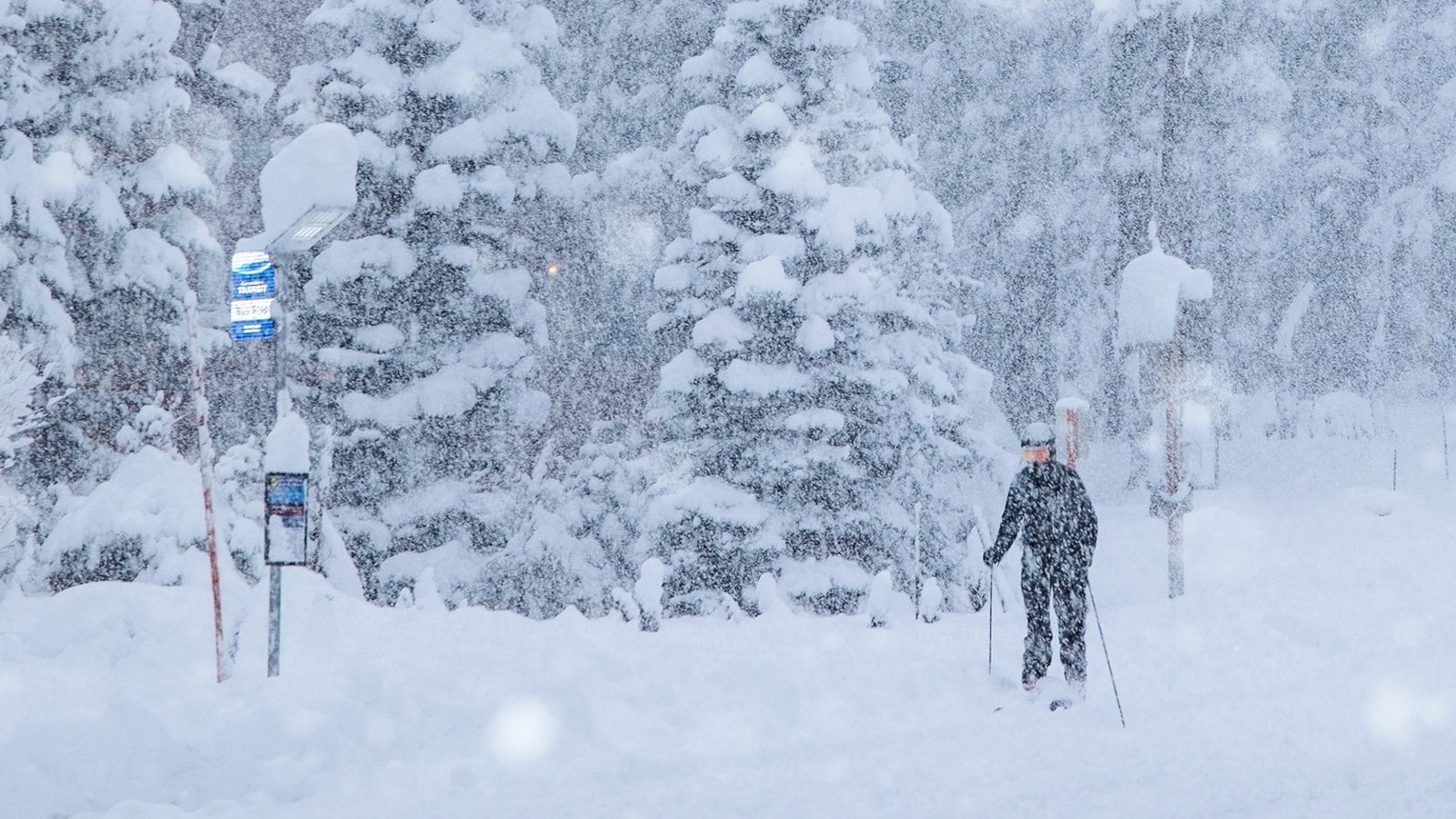
A major winter storm will move from the upper Midwest on Thursday into the lower Northeast on Friday, with the event largely ending by Saturday morning and heavier snowfall tapering by early Sunday; some areas (NYC metro, northern NJ, southern Hudson Valley, western PA) may receive over half a foot and pockets up to 8–9 inches. Freezing rain and icing — up to ~0.25 inch in central/western Pennsylvania and about 0.2 inch across parts of the upper Midwest, Michigan and northeastern West Virginia — raise the risk of power outages, hazardous driving conditions on I-80/I-70 corridors, and localized disruptions to transportation, logistics and regional energy demand. Hedge funds with operational exposure to US regional logistics, utilities, or event-driven retail/transport positions should monitor evolving warnings and potential short-duration supply or service interruptions.
Market structure: Short-lived weather shocks favor suppliers of de-icing/road salt (Compass Minerals, CMP), winter fuels and short-cycle natural gas (UNG), and brick‑and‑mortar home improvement (LOW, HD) through increased one‑week to one‑month demand; conversely airlines (AAL, UAL, DAL), parcel couriers (FDX, UPS) and regional retailers face near‑term revenue and margin hits from cancellations and delivery delays. Pricing power is temporary — expect price spikes in spot natural gas and localized fuel/heating oil for 1–14 days; contractors and local utilities can capture outsized margins for 2–8 weeks. Cross‑asset: expect a modest Treasuries bid (2–10bp rally in front end) as risk‑off flows hit intraday, a pop in short‑dated natural gas futures, and elevated implied vols for airline and transport names over the next 7–14 days.
Risk assessment: Tail risks include prolonged power outages causing large utility capex or insurance losses (>USD 100m regional) and supply chain knock‑ons if I‑80/I‑70 closures persist >72 hours. Immediate impacts (days) are operational (flight cancellations, claims); short term (weeks) is inventory and last‑mile delivery backlog; long term (quarters) may slightly lift Q1 same‑store sales at home improvement retailers but raise claims for P&C insurers. Hidden dependencies: refinery and pipeline congestion can amplify local fuel price moves; contagion catalyst is consecutive storm tracks or rapid freeze after rain which magnifies ice damage.
Trade implications: Tactical longs: short‑dated UNG exposure and CMP equities, plus small allocation to HD/LOW for 2–8 week sales lift; tactical shorts: airline equity or buy puts on AAL/UAL for 1–2 weeks and selective short of FDX/UPS for 2–6 weeks if guidance is revised. Options: buy 1–2 week ATM puts on top 3 airline names sized 0.5–1% portfolio each (cut at 50% max loss) and buy 2–4 week UNG calls sized 1–2% (take profits at +40%).
Contrarian view: The market often overprices long‑duration disruption — airline stocks historically rebound within 2–3 weeks; therefore avoid large directional airline short beyond 4 weeks. Road‑salt and short gas positions are underpriced vs execution risk (logistics to deliver product may cap gains); prefer pair trades that long CMP vs short FDX to isolate demand shock exposure from logistics execution risk.
AI-powered research, real-time alerts, and portfolio analytics for institutional investors.
Request DemoOverall Sentiment
mildly negative
Sentiment Score
-0.25
