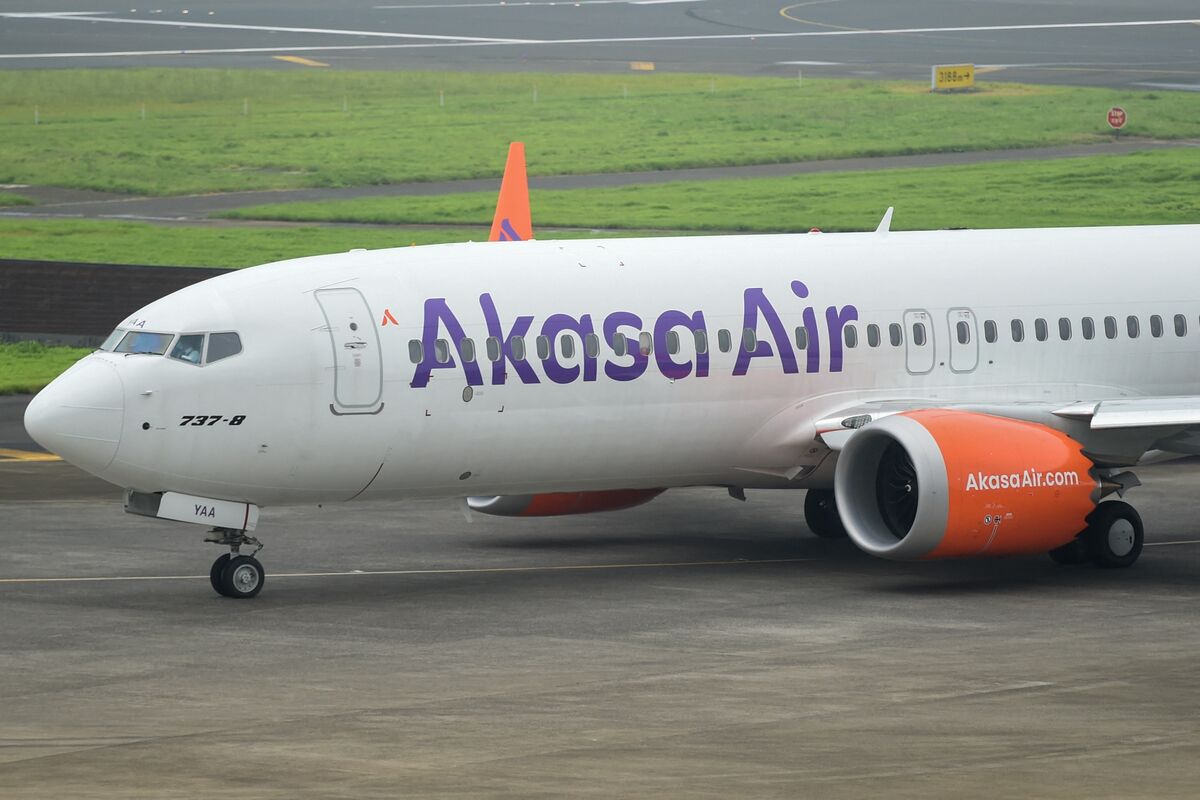
Akasa Air is seeking 10.5 billion rupees (~$110 million) via a mix of equity and debt to offset cost pressures from the Iran war. The airline is targeting about 8 billion rupees in equity from existing and two new investors, and is also discussing at least 2.5 billion rupees in debt with state-run banks under a government credit line. The need for external funding signals near-term financial pressure and heightened risk for the carrier.
This is less a one-off financing headline than a stress test on airline balance-sheet elasticity. The key mechanism is that a carrier seeking equity first, then subsidized debt, is signaling that the incremental cost shock is not fully pass-throughable to fares; that usually means dilution risk for early investors and a higher hurdle rate for any future growth capital. In the near term, the market should treat this as a warning that the weakest operators will be forced into capacity restraint rather than share gain.
The relative winner is the strongest domestic incumbent with the best funding access and lowest unit costs: IndiGo should be able to defend or expand share if smaller rivals slow additions, defer aircraft, or accept weaker utilization. That is a second-order positive for pricing discipline across India aviation, because the sector tends to overshoot on capacity until liquidity forces rationalization. State-run banks are only marginally exposed on P&L, but they gain political relevance as quasi-backstop lenders, which usually caps downside but does not create a compelling earnings upside.
Over 1-3 months, the catalyst path is the financing terms: a heavily discounted equity raise would confirm distress and likely pressure the broader aviation complex, while cheap debt would imply the government is smoothing liquidity rather than solving solvency. Over 6-18 months, sustained conflict-related cost inflation should favor consolidation and a higher survivability premium for large listed carriers. The contrarian risk is that the market may be overpricing permanent damage; if fuel and overflight costs normalize quickly, the funding need shrinks and the sector could retrace sharply from this scare.
AI-powered research, real-time alerts, and portfolio analytics for institutional investors.
Request TrialOverall Sentiment
mildly negative
Sentiment Score
-0.35
