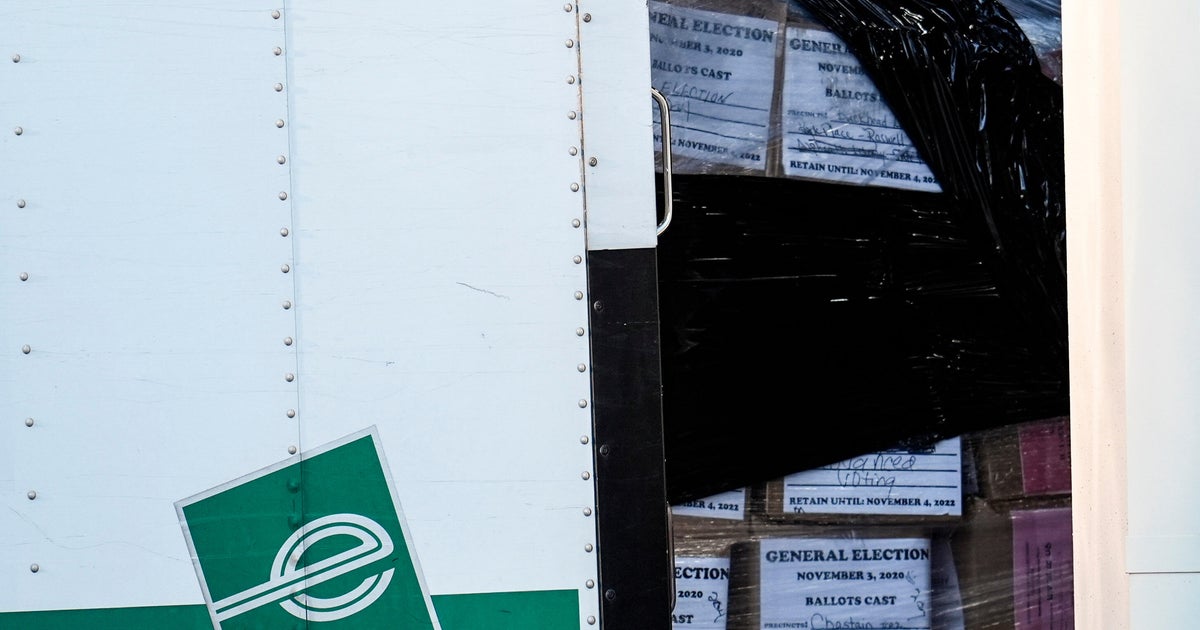
A federal judge denied Fulton County's bid to recover 2020 ballots and related election materials seized by the FBI, ruling that the affidavit was imperfect but not deficient enough to show callous disregard. The court rejected the county's Fourth and Tenth Amendment arguments and found its irreparable-harm claims unpersuasive. The case keeps the FBI's seizure in place while investigations tied to 2020 election materials continue.
This is a governance-and-process negative more than a headline legal win for anyone. The key market implication is that election-adjacent investigations are becoming self-perpetuating: even if no charges emerge, the state now faces ongoing legal expense, administrative distraction, and the risk that internal records, staffing practices, and chain-of-custody procedures get pulled into repeated discovery cycles. That matters for counties and municipalities with tight budgets because compliance costs can compound for years without producing a clean resolution.
The second-order effect is on election-services vendors and forensic/document-retention ecosystems, not the political actors themselves. Any public-sector client facing preservation orders, audit requests, or litigation hold expansion will likely increase spend on records management, secure storage, and election-tech auditing. That creates a slow-burn tailwind for vendors with compliant data archiving, evidence handling, and workflow software, while raising legal-overhang risk for smaller, specialized election contractors whose margins can be compressed by indemnity and support costs.
Catalyst risk is asymmetric over the next 1-6 months: a follow-on subpoena fight, renewed media scrutiny, or an appeal could keep this alive into the next election cycle, which is when the issue becomes materially more expensive for local governments and any vendor associated with the 2020 process. The main reversal is simple: if the DOJ quietly narrows the investigation or declines to bring charges, the cash-cost impact fades, but the reputational drag on election-adjacent service providers can still persist through procurement cycles. The market is likely underpricing the durability of these compliance and litigation expenses versus the probability of actual criminal outcomes.
Contrarian view: the real trade is not "democracy risk" but procurement and audit spend. Consensus will likely treat this as noise because no public company is named, but the more durable beneficiary is the infrastructure layer that helps governments retain, index, and produce records under legal scrutiny. That makes this a subtle long on compliance software and secure document management, with the best entry on pullbacks after any headline-driven selloff in the broader govtech basket.
AI-powered research, real-time alerts, and portfolio analytics for institutional investors.
Request DemoOverall Sentiment
mildly negative
Sentiment Score
-0.10
