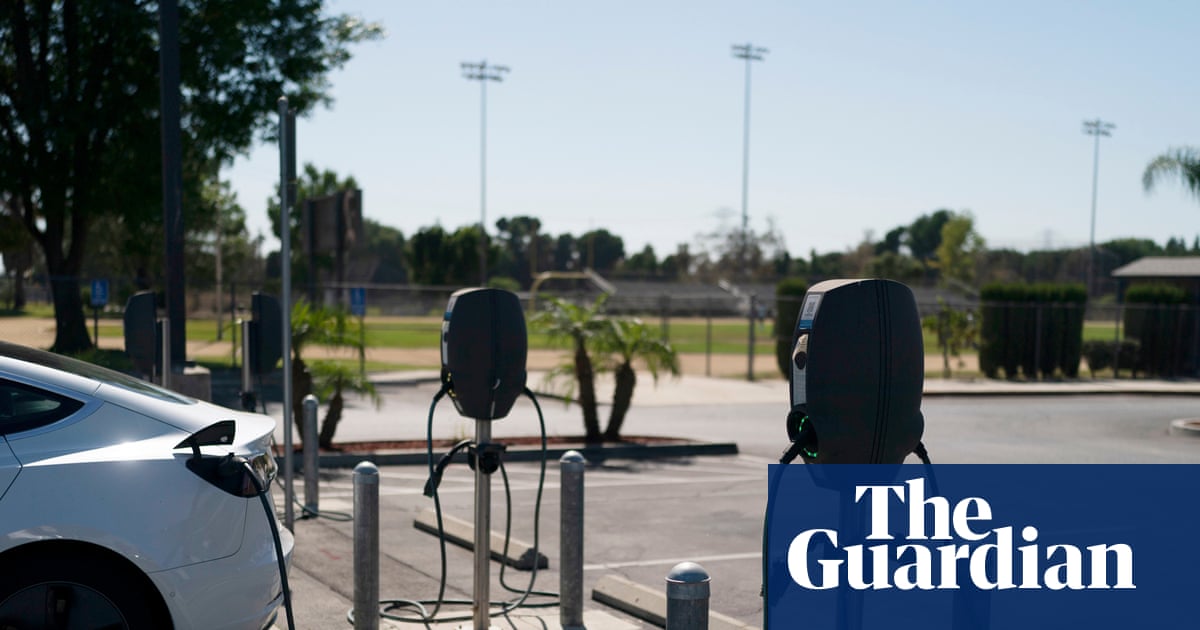
US average gasoline price hit $3.90/gal after US/Israel strikes on Iran and Iran's closure of the Strait of Hormuz; searches for electric vehicles are up ~20% in three weeks per CarEdge. Used EVs (e.g., Tesla, Chevy Equinox, Nissan Leaf) are becoming affordable for many buyers—"fairly decent" examples under $25,000—while hybrids are expected to see demand gains. EV penetration remains low at 7.8% of US car sales, and growth is constrained by phased-out federal incentives and rollback of fuel-efficiency rules; unclear if the spike in interest will sustain and translate into lasting market share changes.
Consumer intent spikes almost always precede purchases by a measurable lag; expect a multi-stage conversion where online research lifts used-vehicle demand within weeks, retail purchase decisions over 1–6 months, and measurable fleet/lease turnover over 12–24 months. That staggered cadence creates a window to monetize second-order channels (certified pre-owned programs, captive finance, dealer trade-ins) before OEM retail volumes move materially.
OEM behavior will bifurcate outcomes: legacy manufacturers that de-emphasize EVs will briefly preserve margin on ICE trucks but risk losing durable pricing power as a growing installed base of inexpensive used EVs lowers total cost of ownership expectations. Conversely, EV-first brands with integrated software, resale channels and charging networks capture outsized value from each incremental adopter through software/maintenance margin, recurring charging revenue and retained resale price premia.
On the supply-chain side, a rise in used EV turnover accelerates demand for battery refurbishment, BaaS (battery-as-a-service) pilots, and second-life stationary storage—an opportunity for firms that can scale remanufacturing within 12–36 months. The main reversal risks are a swift normalization of liquid fuel prices, large-scale policy re-introduction of incentives, or an adverse safety/recall shock to early EV models; each would compress the window to capture market share.
Contrarian point: the market treats new-vehicle incentives and infrastructure as binary gates for EV growth, but an organic pathway exists via affordability in the secondary market and fleet conversions (ride-hail, municipal). That path disproportionately benefits firms controlling the software/resale/charging stack rather than OEMs reliant on new-vehicle volume and could produce meaningful share shifts within 18 months.
AI-powered research, real-time alerts, and portfolio analytics for institutional investors.
Request DemoOverall Sentiment
neutral
Sentiment Score
0.00
Ticker Sentiment
