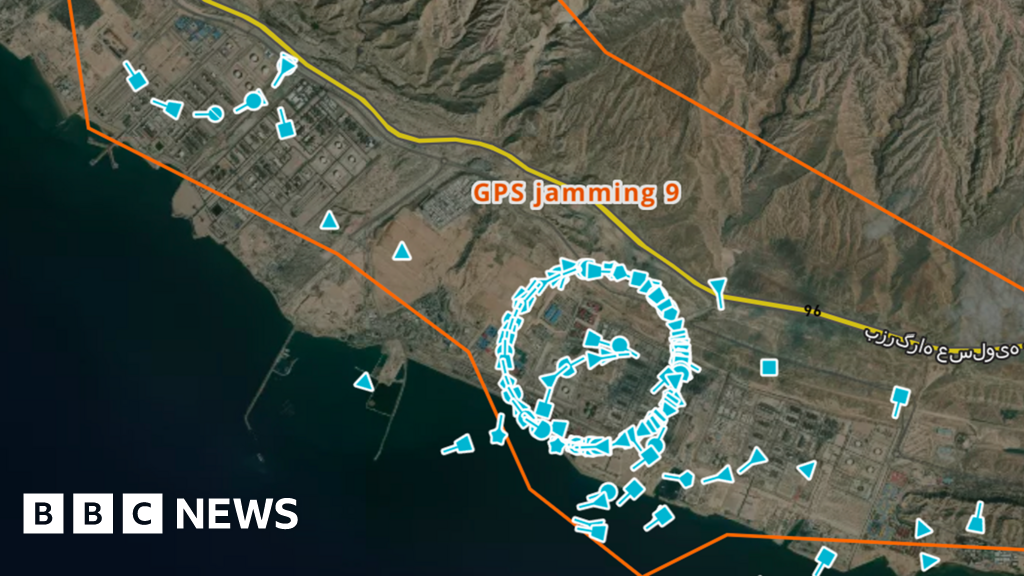
GPS jamming has disrupted AIS positions for hundreds of commercial vessels in and around the Strait of Hormuz, producing dozens of false-location clusters and materially increasing collision and navigation risk. Expect localized shipping delays, higher operational and insurance costs, potential short-term upward pressure on oil risk premia, and rising demand for anti-jam and alternative navigation solutions (benefitting defense and specialized navigation technology providers).
Electromagnetic disruption of positioning systems creates a multi-node supply shock: higher perceived navigational risk forces shipping lines and charterers to pay up for reliability (short-term TCE uplift) while ports and pilots absorb operational friction that increases dwell times. A conservative modelling assumption — 3–7% increase in voyage time for affected trades over 6–12 months — translates into meaningful incremental bunker and congestion costs that are largely insurance- and charter-rate passthroughs rather than transitory margin squeezes for asset-light operators.
Demand for mitigation is bifurcated between (a) high-margin defense/avionics vendors selling anti-jam antennas, authenticated GNSS modules and electronic-warfare suites and (b) software/satellite analytics firms selling independent vessel-tracking and anomaly detection as a subscription. The commercial retrofit TAM for merchant shipping (antenna + INS + certification) is likely mid-single-digit billions annually if regulators mandate upgrades at major chokepoints; certification and retrofits imply a 12–36 month revenue realization window, not immediate earnings relief.
Key catalysts: (i) regulatory action by port authorities or P&I clubs could compress adoption timelines within 3–9 months, (ii) a diplomatic de-escalation or rapid rollout of inexpensive mitigation (software-only solutions) could stall procurement cycles, and (iii) component supply constraints (high-grade MEMS/FOG IMUs) create a durable pricing lever for suppliers through 2026. Tail risk: rapid commoditization of jammers or proliferation of spoofing tools would force a longer-term hardware arms race and increase CAPEX for commercial fleets.
Consensus is focused on headline defense wins; the underappreciated opportunity is recurring SaaS for independent tracking and anomaly-forensics (subscription margins, low capex) and the tier of component suppliers that monopolize certified INS modules. The market will likely re-rate vendors with recurring service revenues faster than one-time hardware wins — position sizing should reflect that revenue cadence difference.
AI-powered research, real-time alerts, and portfolio analytics for institutional investors.
Request DemoOverall Sentiment
mildly negative
Sentiment Score
-0.30
