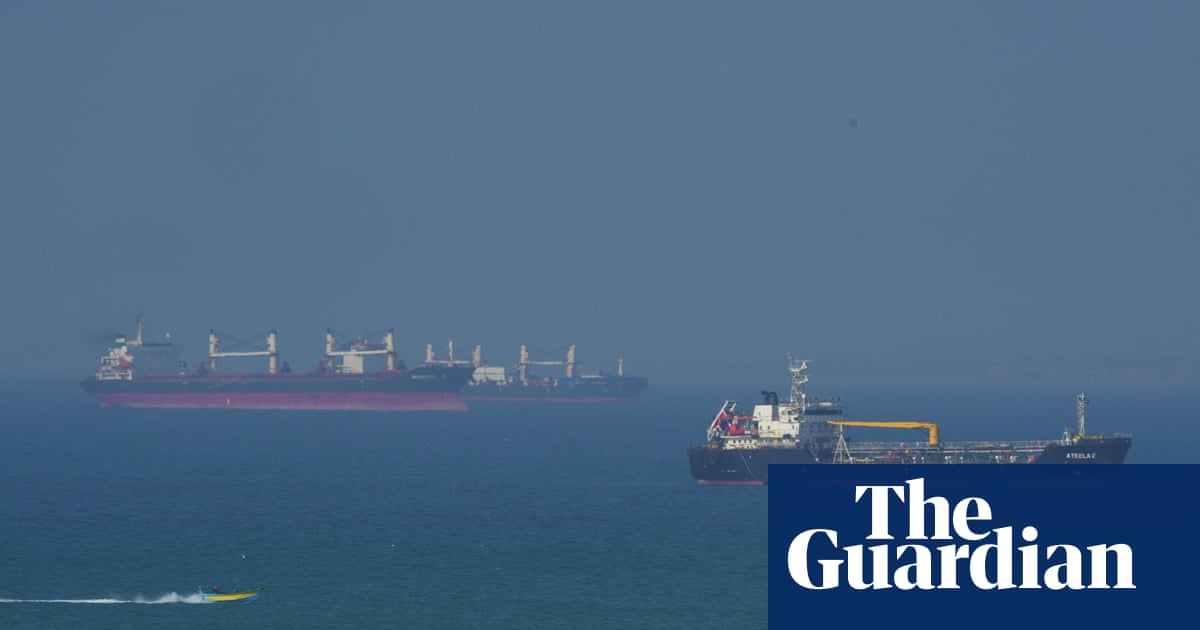
Brent crude surged above $122 a barrel, up nearly 10% in one day and at its highest since 2022, as US-Iran ceasefire talks stalled and the Strait of Hormuz remained effectively closed. The article warns that a prolonged blockade could cut global oil supply by nearly 20 million barrels per day and potentially lift prices to $190 by August, with spillovers already pushing inflation higher. The shock is now viewed as a market-wide geopolitical risk with recession implications for the US, UK and broader global economy.
The market is still pricing this like a pure oil beta shock, but the bigger second-order risk is an inflation impulse that is too fast for policy to absorb. A sustained Hormuz disruption raises the odds of a simultaneous hit to real incomes, freight costs, and risk assets before central banks can respond, which is the classic recipe for equity multiple compression even outside energy-exposed sectors. The key transmission is not just gasoline—it is diesel, jet, petrochemicals, and shipped goods, so margins get squeezed across transport, chemicals, airlines, and consumer durables almost immediately.
Winners are concentrated in upstream energy, shipping assets with pricing power, and any balance sheet with hard-asset inflation protection. The more interesting relative trade is not simply long oil, but long cash-generative producers versus refiners and transport users; if crude stays elevated while product demand starts softening, refiners can lag even as headline energy rallies. Midstream and pipeline names should be more resilient than pure commodity exposure because tariff-like cash flows can lag spot volatility, making them a lower-volatility hedge if the shock persists.
The main catalyst to watch is whether the disruption turns from a geopolitical premium into a physical inventory draw lasting multiple weeks. In the next 1-3 weeks, any sign of tanker rerouting, insurance refusal, or SPR release coordination would validate the move higher; over 1-3 months, demand destruction and forced diplomacy become the dominant reversal mechanisms. The contrarian miss is that the first-order price spike may be less important than the lagged credit and margin stress in import-dependent economies, which can force a broader recessionary unwind even if crude never reaches the most extreme forecasts.
The risk/reward now favors using options rather than linear energy exposure: upside remains open-ended, but a partial normalization could unwind a large portion of the move very quickly if the blockade narrative cracks. I would treat this as a high-volatility macro event with asymmetric tail risk, not a clean secular oil thesis.
AI-powered research, real-time alerts, and portfolio analytics for institutional investors.
Request DemoOverall Sentiment
strongly negative
Sentiment Score
-0.85
Ticker Sentiment
