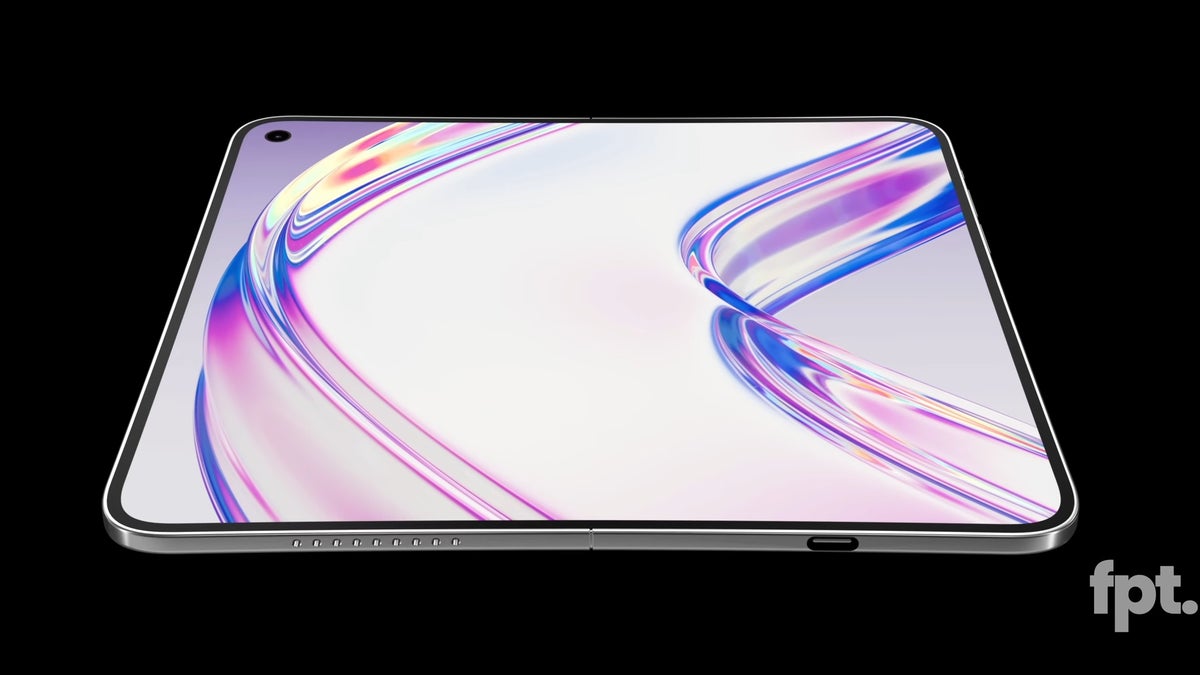
Apple’s upcoming iPhone Ultra is reported to have a display crease flatter than most competing foldables, though not necessarily the best in the market. The device is still expected to trail some newer foldables, including the Oppo Find N6, and may lose its edge quickly after launch. The piece is largely product-focused and suggests Apple’s foldable entry is technologically impressive but not yet crease-free.
Apple’s advantage here is not the foldable category itself; it’s the ability to reset the consumer’s reference point for what ‘acceptable’ looks like. Even if the crease is not best-in-class on launch day, Apple can still win share because the market usually pays for perceived refinement, not laboratory purity. That matters for AAPL’s ecosystem more than handset units alone: a premium foldable iPhone can pull forward upgrades, increase average selling price, and widen the gap versus Android OEMs whose foldable demand is still largely enthusiast-driven. The more interesting second-order effect is supply-chain leverage. If Apple is sourcing the critical display stack from a single premium supplier, near-term beneficiaries are the component names with scarce high-end flexible OLED capability, while the competitive risk shifts to rivals that may be forced into deeper discounting to defend share. The real loser is not just Samsung’s foldable line; it is the mid-to-high-end Android cohort that has used foldables as a differentiation wedge. Apple’s entry tends to compress category margins because it normalizes features and raises customer expectations faster than rivals can amortize R&D. The timing matters: the market will likely treat the launch as a 1-3 month sentiment catalyst, but the fundamental P&L impact for AAPL is a 12-24 month story tied to carrier incentives, replacement cycles, and whether the device expands the premium addressable market versus cannibalizing existing Pro models. A short-term sell-the-news risk is real if the crease remains visible enough that enthusiasts dismiss it as “good, not best,” because that would limit incremental demand upside while still forcing Apple to absorb higher bill-of-materials complexity. The contrarian view is that consensus may be overrating crease aesthetics and underweighting software ergonomics, durability, and status signaling—Apple only needs to be close enough on hardware to win on trust and usage.
AI-powered research, real-time alerts, and portfolio analytics for institutional investors.
Request DemoOverall Sentiment
mildly positive
Sentiment Score
0.20
Ticker Sentiment
