



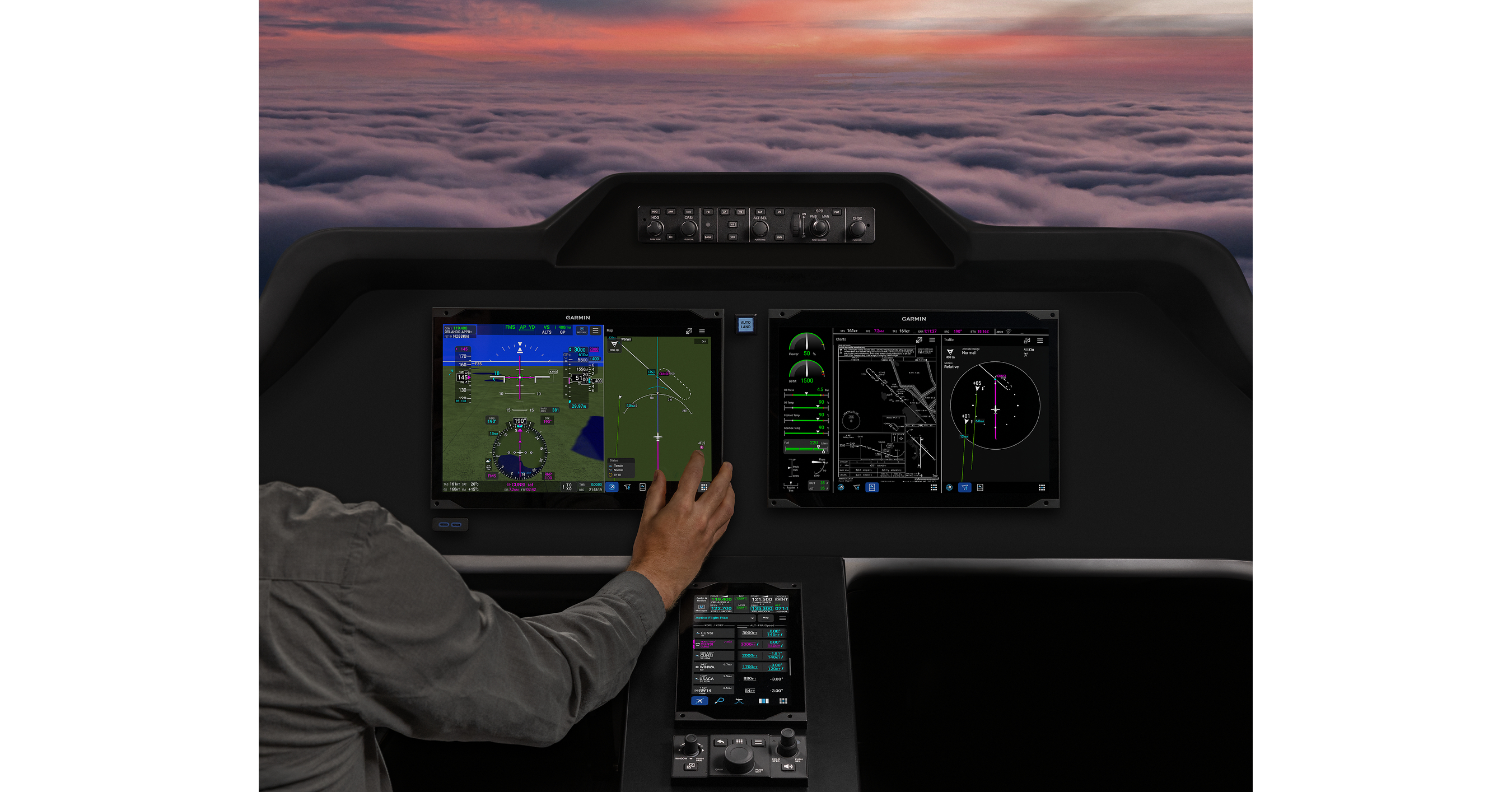
Garmin (GRMN) introduced G2000 PRIME, a premium integrated touchscreen flight deck for high-performance Class I/II piston and electric aircraft, featuring 14-inch edge-to-edge displays, quadruple the memory, and gigabit connectivity up to 100x faster than earlier systems. The deck adds multi-core processing (more than double processing power) plus upgraded 7-inch SDUs with a 40% larger screen area and multi-touch support for up to 10 inputs simultaneously. While no financial guidance is provided, the launch is positioned as enhancing safety and operational efficiency, with initial aircraft deliveries to be announced by manufacturers.
This is more of a moat-extension event than a near-term earnings catalyst. For GRMN, the important mechanism is not unit volume from the launch itself but preservation of pricing power in a high-margin ecosystem: if new cockpit architecture becomes the reference design for OEMs, Garmin can lock in installation plus recurring subscription/service revenue for years. The mix implication is better than the headline suggests because connected avionics tends to pull through database, connectivity, and fleet-management fees that are stickier than hardware revenue.
The main competitive read-through is negative for smaller, legacy panel vendors and retrofit-oriented avionics suppliers: once an OEM standardizes on a deeply integrated platform, aftermarket replacement cycles get longer and switching costs rise. The indirect winners are aircraft builders in premium piston/electric categories that can market safety/autonomy features without building their own stack. The loser is not one named competitor but any incumbent relying on a less-integrated, less-connected cockpit to defend share.
Near term, expect little fundamental impact until OEM installation wins are disclosed; the stock reaction should fade if investors treat this as a press-release inventory of features. Over 6-18 months, the thesis can strengthen if Garmin shows aviation segment margin resilience and incremental subscription attach rates. The contrarian risk is that certification and OEM adoption lag, so the launch adds engineering prestige but not revenue. What would falsify the constructive view: no announced airframe wins, no aviation backlog uplift, or evidence that connected services are not monetizing after installation.
AI-powered research, real-time alerts, and portfolio analytics for institutional investors.
Request TrialOverall Sentiment
mildly positive
Sentiment Score
0.20
Ticker Sentiment
