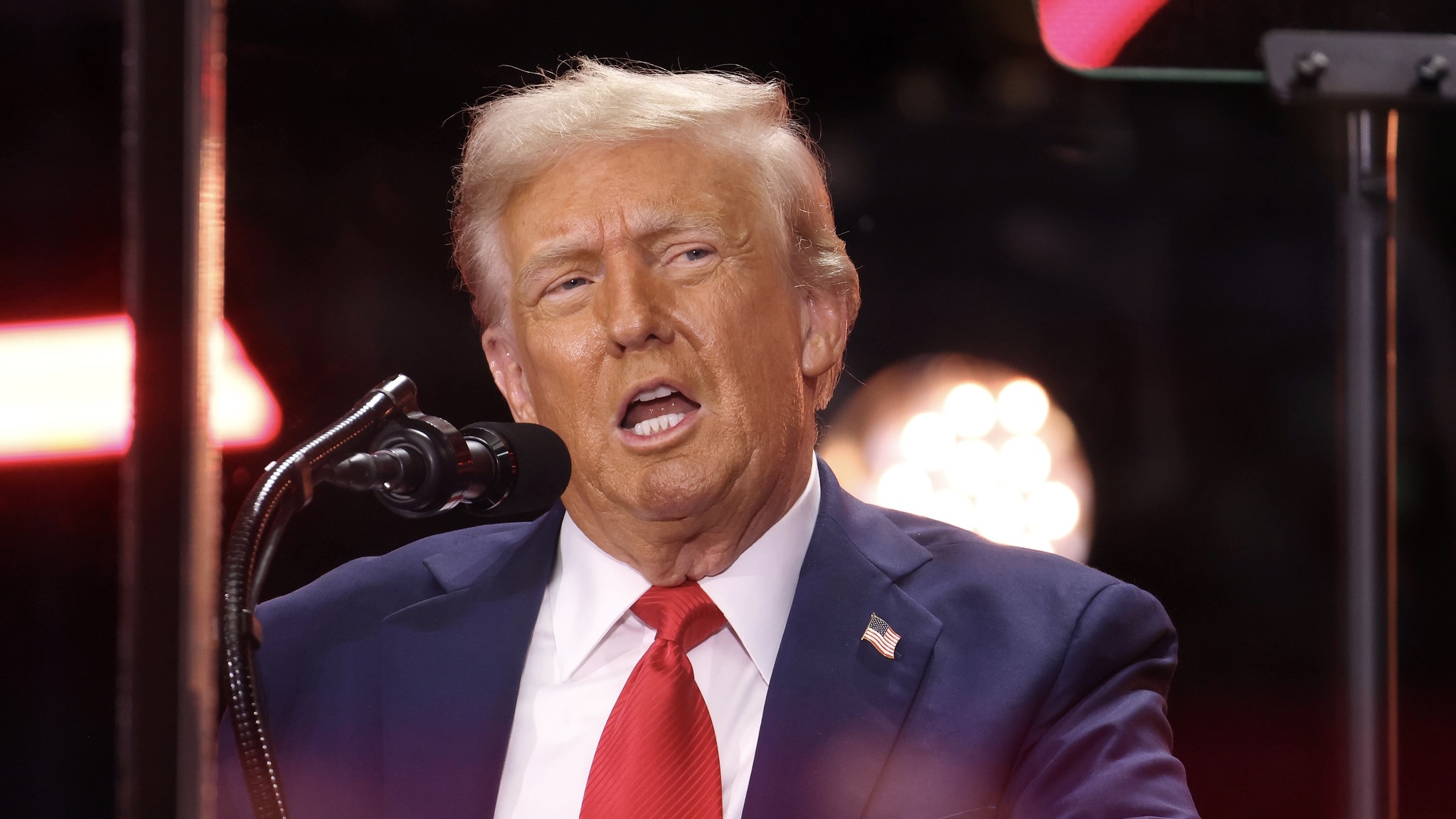
The US-Iran conflict has pushed oil and gasoline prices sharply higher, with Reuters highlighting economic pain in conservative rural areas such as northeastern Colorado. One Trump voter said the president was 'naive' about the war's complexity, while also expecting elevated prices to persist into autumn. The conflict has now lasted 77 days, far beyond the administration's initial 2- to 3-week expectation, reinforcing a negative backdrop for energy-sensitive consumers and broader risk sentiment.
The market is pricing a classic supply shock, but the bigger second-order effect is margin compression outside the energy complex: trucking, agriculture, airlines, and small-cap industrials tied to rural freight are likely to absorb the first-round hit fastest because they have the least fuel-hedging flexibility and the weakest pricing power. That creates a staggered earnings risk over the next 1-2 quarters, not just an immediate headline-driven move in crude. The political angle matters because if fuel pain starts shifting even a few percentage points of rural GOP support, Washington’s incentive to lean toward de-escalation rises sharply, making any spike above the current level more vulnerable to policy reversal than a normal geopolitical rally.
The cleanest winners are not the obvious mega-cap integrated names, but the parts of the energy stack with the fastest cash conversion and least country-risk exposure: US shale services, midstream, and domestic refiners if feedstock costs lag product prices. That said, this is a bad backdrop for airlines and consumer discretionary because higher pump prices are effectively a tax on lower- and middle-income spending; historically, the demand bleed shows up with a 4-8 week lag in ticket sales, freight volumes, and regional retail traffic. If conflict duration keeps extending into autumn, hedged producers will outperform unhedged operators because the market will discount not just spot prices but the probability of a prolonged elevated-price regime.
The consensus may be too comfortable assuming this is purely inflationary and therefore energy-bullish. The more interesting contrarian setup is that if prices stay high long enough, they accelerate demand destruction and political intervention simultaneously, which can cap the upside in crude before it fully feeds through to earnings. In that case, the asymmetry shifts toward owning selective energy equities versus crude outright, since equities can benefit from cash-flow tailwinds while crude remains exposed to a sudden diplomatic or SPR-related reversal.
Near term, the key catalyst is whether the administration signals willingness to cut a deal or use strategic inventory tools; that would likely hit front-month crude first and then roll into refiners, services, and small-cap energy beta. Over a 30-90 day horizon, watch for revisions in transport and ag input guidance rather than just CPI prints, because those will tell you whether the shock is becoming a real earnings event. If the war persists without a policy off-ramp, the trade becomes a relative-value rotation rather than a directional macro call.
AI-powered research, real-time alerts, and portfolio analytics for institutional investors.
Request DemoOverall Sentiment
strongly negative
Sentiment Score
-0.55
