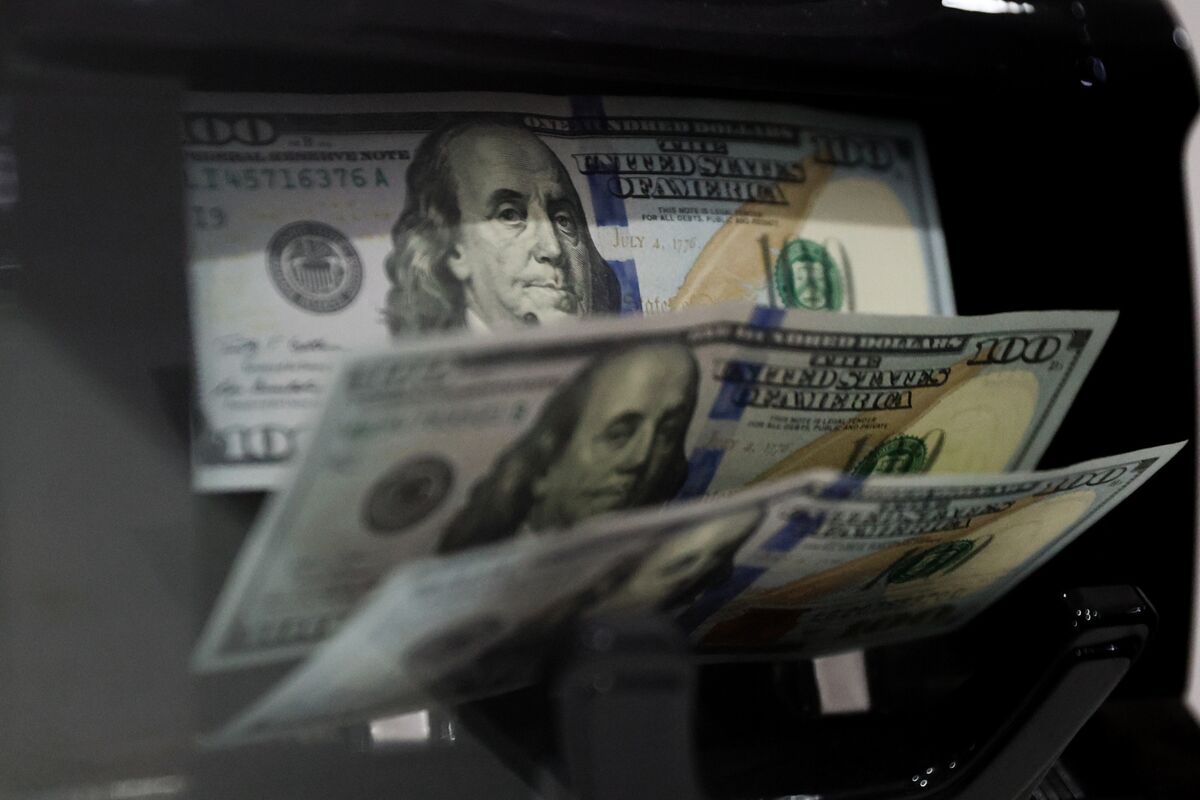
Eurizon SLJ Capital's Stephen Jen warned that continued US fiscal imprudence and a possible return to quantitative easing could weaken the dollar's safe-haven status and undermine the standing of US Treasuries. The note highlights risk to both the dollar's global role and bond-market credibility if Washington's spending spree continues. The message is negative for USD sentiment and US sovereign debt, with potential implications for FX and Treasury markets.
The market is still treating US fiscal dominance as a slow-burn story, but the second-order effect is a regime shift in reserve behavior rather than just higher term premium. If global allocators start viewing Treasuries as a directional policy asset instead of a neutral anchor, the dollar loses its automatic bid in risk-off episodes and the “safe haven” premium migrates toward alternatives like CHF, JPY, gold, and short-duration non-US sovereigns. That matters because USD weakness in a crisis is more destabilizing than a steady grind lower: it forces foreign hedgers to sell more USD on drawdowns, amplifying FX volatility and reducing the effectiveness of Treasuries as cross-asset ballast.
The bigger transmission channel is funding, not just FX. A credible market fear of renewed QE alongside persistent deficits can steepen the curve even if growth softens, because investors will demand compensation for duration plus policy monetization risk. That is a bad mix for long-duration credit, leveraged financials, and rate-sensitive equity multiples: the first-order move is higher yields, but the second-order effect is wider funding spreads and a higher cost of capital for sectors that have relied on cheap dollar liquidity.
Catalyst timing is months, not days, unless a fiscal event or dovish policy surprise brings it forward. The risk is that consensus underestimates how quickly marginal reserve managers can diversify once a few large accounts shift behavior; these flows do not need to be massive to change price action because the market is already structurally short convexity via duration hedges and systematic FX carry. The contrarian view is that this is not a collapse in dollar dominance, but a repricing of the dollar smile into a flatter, less asymmetric version: the USD can still rally in acute stress, just not as reliably or as far as before.
AI-powered research, real-time alerts, and portfolio analytics for institutional investors.
Request DemoOverall Sentiment
moderately negative
Sentiment Score
-0.45
