
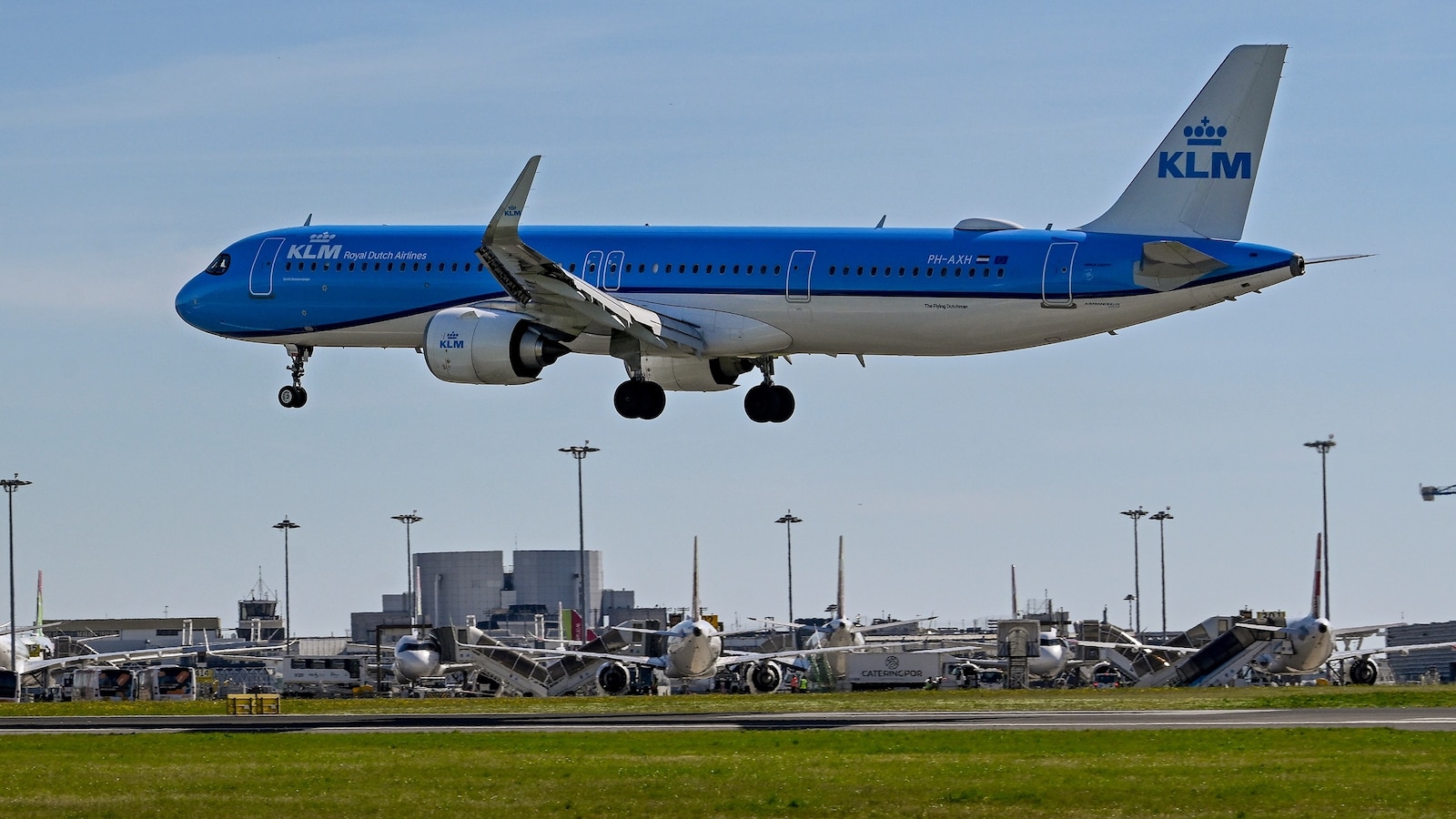
Europe may have only about six weeks of jet fuel supply left as the Iran war disrupts shipments through the Strait of Hormuz, with IEA chief Fatih Birol warning of potentially the "largest energy crisis" if the conflict drags on. Jet fuel prices have more than doubled to $197 a barrel, prompting KLM to cancel 160 flights and Lufthansa to cut fleet capacity, retire aircraft, and shut CityLine. The risk is broad-based for airlines, travel demand, inflation, and global growth, with potential spillovers to U.S.-Europe routes and summer travel.
The cleanest read is not “higher oil,” but a forced re-pricing of time-sensitive transportation capacity. Jet fuel scarcity tends to hit marginal, schedule-sensitive routes first, which means yield management breaks before headline volumes do; that is bad for carriers with heavy transatlantic exposure and thin operating flexibility, while benefiting airports, fuel logistics, and potentially premium leisure demand substitution toward shorter-haul destinations. The market is also likely underestimating how quickly airlines will protect cash flow by reducing seat supply rather than absorbing spot fuel, which creates a second-order tightening in travel capacity even if demand remains intact.
From a macro lens, this is an inflation impulse with a lagged but meaningful pass-through into services. Airfare is an early mover in CPI expectations, but the bigger issue is that higher jet fuel can spill into freight and corporate travel budgets over the next 1-2 quarters, pressuring margins outside airlines as well. European carriers are the most exposed because they face the worst input-cost shock and the least structural flexibility; U.S. majors are less directly constrained on fuel availability, but they still face pricing contagion through transatlantic route repricing and potential crew/schedule inefficiencies.
The contrarian angle is that the market may be extrapolating shortage risk faster than physical disruption justifies. If the Strait pressure eases or if strategic inventories are released, the hardest hit equities can snap back sharply because airline equities tend to discount fuel at the forward curve, not spot panic. The real tail risk is not an absolute shortage in the U.S., but a prolonged European bottleneck that forces network rationalization into peak summer booking season, when even a 3-5% reduction in capacity can materially lift fares and shift demand to non-aligned competitors.
For ING specifically, this is a modestly negative read: the bank benefits from higher rates only if growth holds, but the article raises the odds of a harder landing in European activity and transport-linked credit stress.
AI-powered research, real-time alerts, and portfolio analytics for institutional investors.
Request TrialOverall Sentiment
strongly negative
Sentiment Score
-0.72
Ticker Sentiment
