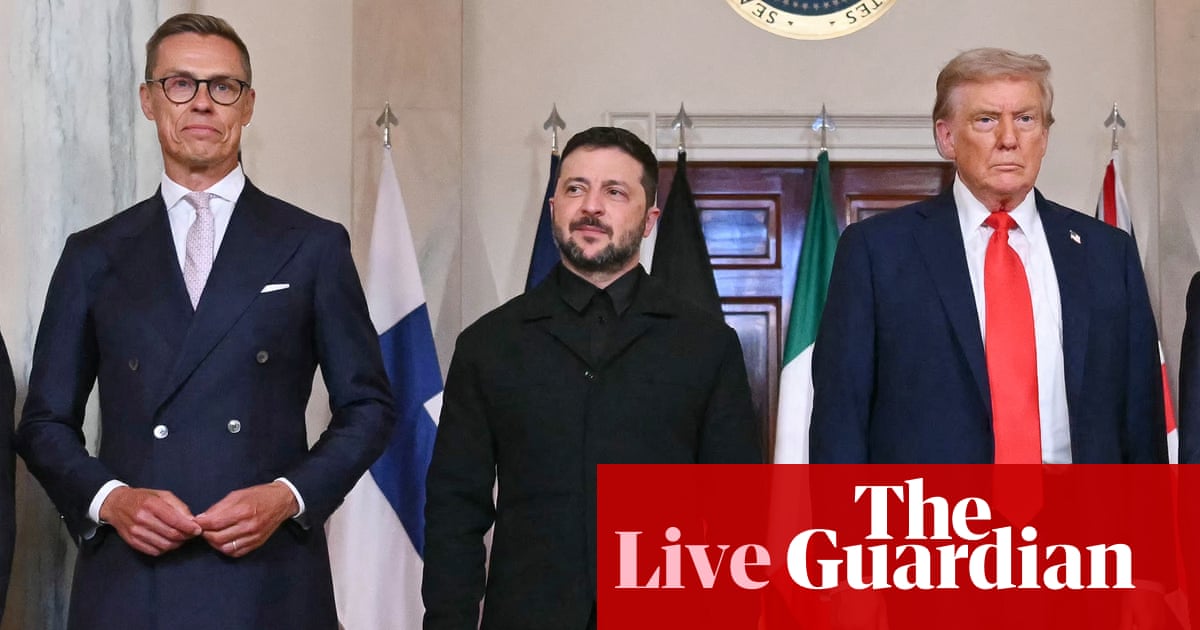
Ukrainian President Zelenskyy is pushing for accelerated security guarantee work with allies, while the ongoing debate over frozen Russian assets saw Belgium's Prime Minister warn against their seizure due to legal complexities. Concurrently, Poland's new president vetoed legislation extending benefits for Ukrainian refugees, reflecting shifting internal political dynamics. Separately, the European Commission firmly rejected former US President Trump's threats regarding digital regulation, asserting its sovereign right, signaling potential for renewed transatlantic trade tensions. These developments collectively highlight persistent geopolitical risks, evolving international economic policy, and the complex interplay of security and trade across Europe.
The geopolitical landscape is characterized by persistent tension and evolving policy stances, creating a complex risk environment. Ukrainian President Zelenskyy is urgently pushing to accelerate the finalization of security guarantees with the US and European partners, signaling a critical phase in securing long-term defense commitments and additional military supplies. However, unity on Ukraine-related policy shows signs of strain. Belgium's Prime Minister has warned against the seizure of frozen Russian funds held at Euroclear, citing significant legal hurdles and advocating they remain untouched until peace talks conclude, which complicates a major potential source of funding for Ukraine. Concurrently, Poland's new president vetoed legislation to extend benefits for Ukrainian refugees, reflecting domestic political shifts that could impact the cohesiveness of regional support. Separately, transatlantic trade frictions are re-emerging, with the European Commission firmly rejecting potential pressure from former US President Trump regarding its digital regulations. The Commission asserts its "sovereign right" to regulate its economy, directly countering threats to impose "substantial additional Tariffs" on countries with such rules, creating significant policy uncertainty for US technology firms and European exporters.
AI-powered research, real-time alerts, and portfolio analytics for institutional investors.
Request DemoOverall Sentiment
moderately negative
Sentiment Score
-0.35
