
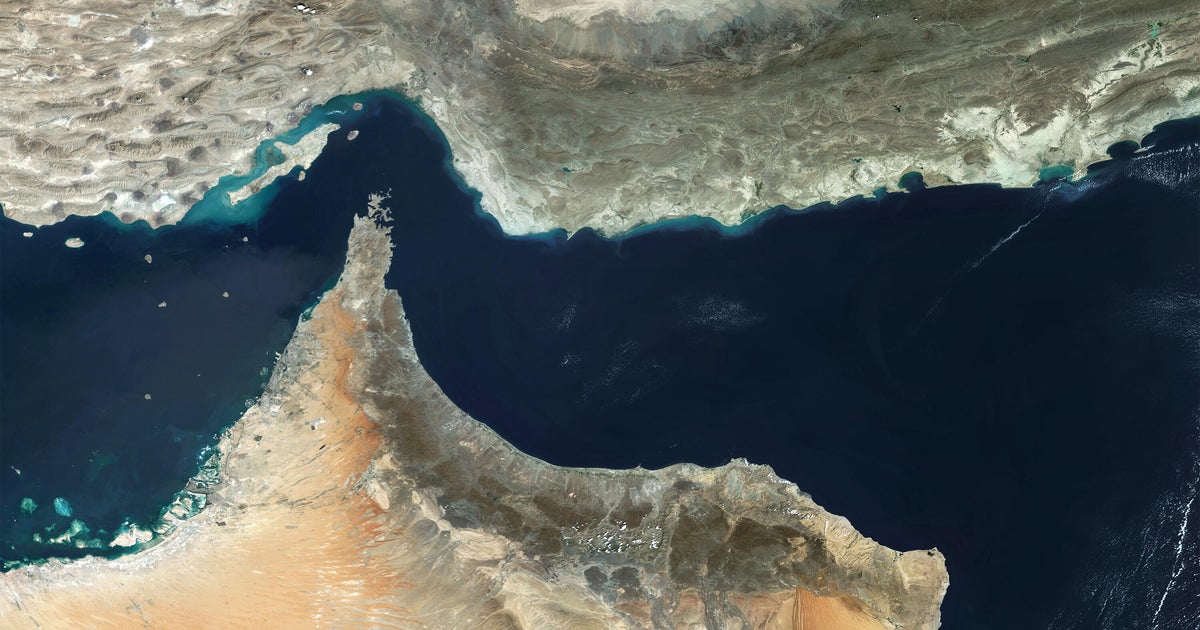
Maritime traffic through the Strait of Hormuz — a roughly 100-mile passage that typically carries about 20% of global oil and LNG shipments — has effectively stalled after recent U.S. and Israeli strikes on Iran and reported attacks on vessels, with Maersk and Hapag-Lloyd suspending transits. Analysts warn that continued disruption for weeks or months could push oil prices into triple digits and materially tighten global supply, while alternative pipelines (Saudi East-West Petroline ~750 miles and the ~400-mile Abu Dhabi Crude Oil Pipeline) can only absorb a fraction of the lost flow. Immediate market effects include a spike in oil prices, elevated insurance costs and increased volatility across energy and related markets, with the longer-term economic risk contingent on the duration and escalation of the conflict.
Market structure: Immediate winners are integrated oil majors (XOM, CVX) and energy services (SLB, HAL) which gain cash-flow and pricing power if seaborne crude is disrupted; defence contractors (LMT, NOC, GD) and safe-haven commodities (GLD) also benefit. Direct losers are global shippers and tankers (Maersk/Hapag-Lloyd equivalents), airlines (UAL, LUV) facing higher jet-fuel costs, and insurers exposed to marine war-risk claims. The Strait carries ~20% of seaborne oil; alternative pipelines can absorb only a fraction (likely <30%), so a sustained (>2 weeks) closure would materially tighten global supply/demand and widen backwardation in crude markets.
Risk assessment: Tail scenarios include mine-laying or an extended campaign that pushes WTI >$100/bbl and triggers stagflation and a global growth shock; probability low-medium but impact high, especially for real yields, EM FX and credit spreads. Time horizons: days—sharp volatility and insurance premium spikes; weeks—re-routing costs and refinery feedstock mismatch; months—capex reallocation to US production and structural higher oil. Hidden dependencies: shipping insurance availability, SPR releases, and refinery run-rates; these can blunt or amplify price moves. Key catalysts: further U.S./Iran military actions, mine incidents, or a coordinated SPR release.
Trade implications: Tactical: establish 2–3% long positions in XOM and CVX (equal-weighted) and size a 0.5–1% NAV 3-month WTI call spread (long $85 / short $120) to express directional oil upside while limiting premium. Hedging: allocate 0.5% NAV to short-dated VIX calls or 1–2% to VIX futures as a convex tail hedge; enter a dollar-neutral pair long XOM / short UAL sized 1–2% NAV to capture asymmetric move. Rotate 3–5% from long-duration growth into defence (LMT/NOC 1–2%) and GLD (1%) as inflation/flight-to-quality protection; trim travel/leisure exposure by 2–4%.
Contrarian angles: Consensus assumes protracted closure; history shows many Hormuz shocks resolve within 1–3 weeks — if WTI does not close above $95 for five consecutive trading days, volatility premium is likely overstated and energy call positions should be trimmed. Unpriced outcomes: higher freight/insurance rates could create short-term winners among well-insured tanker owners and niche logistics providers; conversely, a coordinated SPR release would rapidly cap upside and create a mean-reversion trade into refiners and airlines. Monitor WTI $95/$100 thresholds and 5–10 day insurance premium moves as trigger points to scale positions.
AI-powered research, real-time alerts, and portfolio analytics for institutional investors.
Request TrialOverall Sentiment
moderately negative
Sentiment Score
-0.60
Ticker Sentiment
