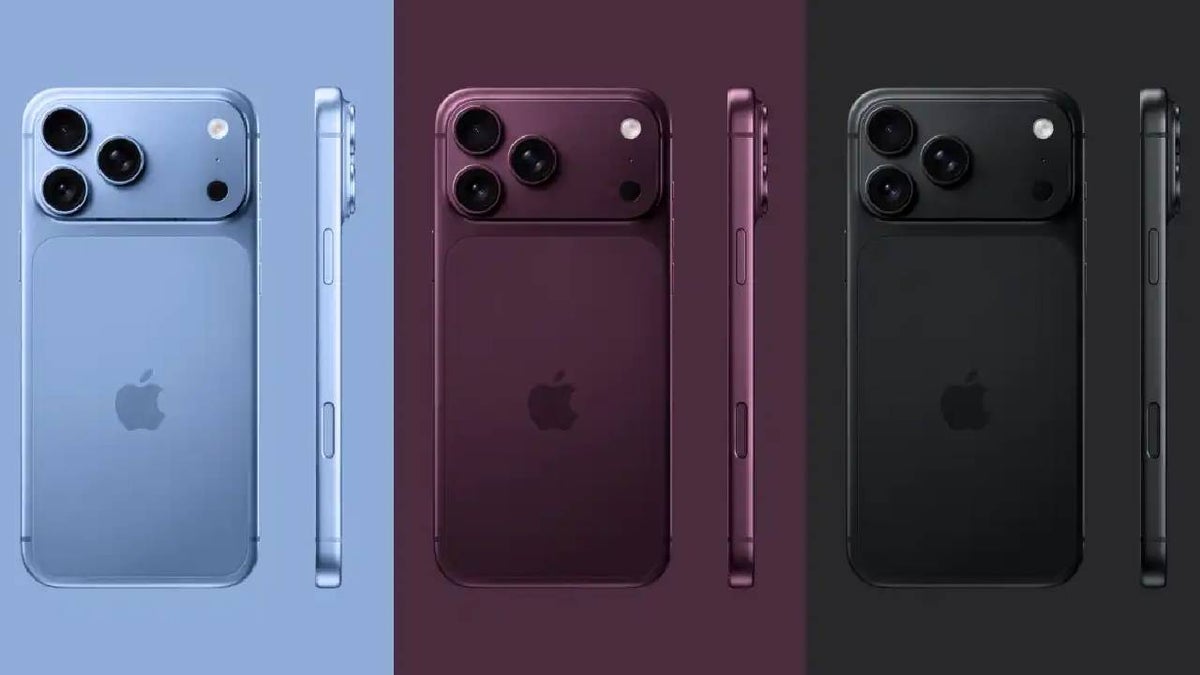
The iPhone 18 Pro Max is rumored to be 240 grams and 13.77mm thick, versus 233 grams and 12.92mm for the iPhone 17 Pro Max, reflecting a larger camera plateau and more advanced optics. Expected camera upgrades include a variable aperture main lens, Samsung-made three-layer stacked image sensor, wider telephoto aperture, and a teleconverter, all pointing to improved low-light and overall image quality. The article is speculative rather than confirmed, but it frames the heavier design as a hardware-led upgrade that could support demand.
This reads as a classic “premium cycle” setup for AAPL: when the upgrade is visibly physical, consumers and carriers can justify an in-line replacement rather than waiting for a broader AI narrative to mature. The market is still underestimating how much Apple can lean on hardware differentiation while competitors’ AI features remain fragmented; that supports higher attach rates in the Pro tier and should help mix even if unit growth is only modest. The bigger strategic point is that Apple is buying time: a camera-led refresh can bridge the gap until on-device AI becomes a more coherent selling point.
The second-order winner is the supply chain around optics and image sensors, where the bill of materials intensity likely rises faster than headline ASPs. If the rumored stack actually ships, the incremental content should accrue to specialized component suppliers with tighter qualification moats, while also pressuring margins for rivals that lack Apple-grade volume. On the loser side, Android premium OEMs face a tougher comparison cycle: consumers who were previously willing to tolerate thinner hardware may now anchor on camera performance and accept the bulk tradeoff, making it harder for them to compete purely on industrial design.
The key risk is execution slippage. The market will likely reward the concept months before launch, but if Apple under-delivers on actual photo gains, sentiment can fade quickly because the setup is unusually dependent on lived product quality rather than spec-sheet novelty. A second risk is that the market already expects a strong Pro cycle, so the stock may need a demand surprise or a meaningful services/upgrade mix surprise to re-rate.
Contrarian take: the weight increase is not necessarily a consumer penalty; it may be the point. In premium smartphones, heft can signal capability, and the willingness to accept it implies Apple’s top-end user base is still optimizing for status and camera outcomes over ergonomics. That said, if broader handset demand is elastic to price and weight, the most likely issue is not launch demand but replacement-cycle acceleration not extending far enough beyond the Pro buyer cohort to move aggregate AAPL meaningfully.
AI-powered research, real-time alerts, and portfolio analytics for institutional investors.
Request TrialOverall Sentiment
mildly positive
Sentiment Score
0.20
Ticker Sentiment
