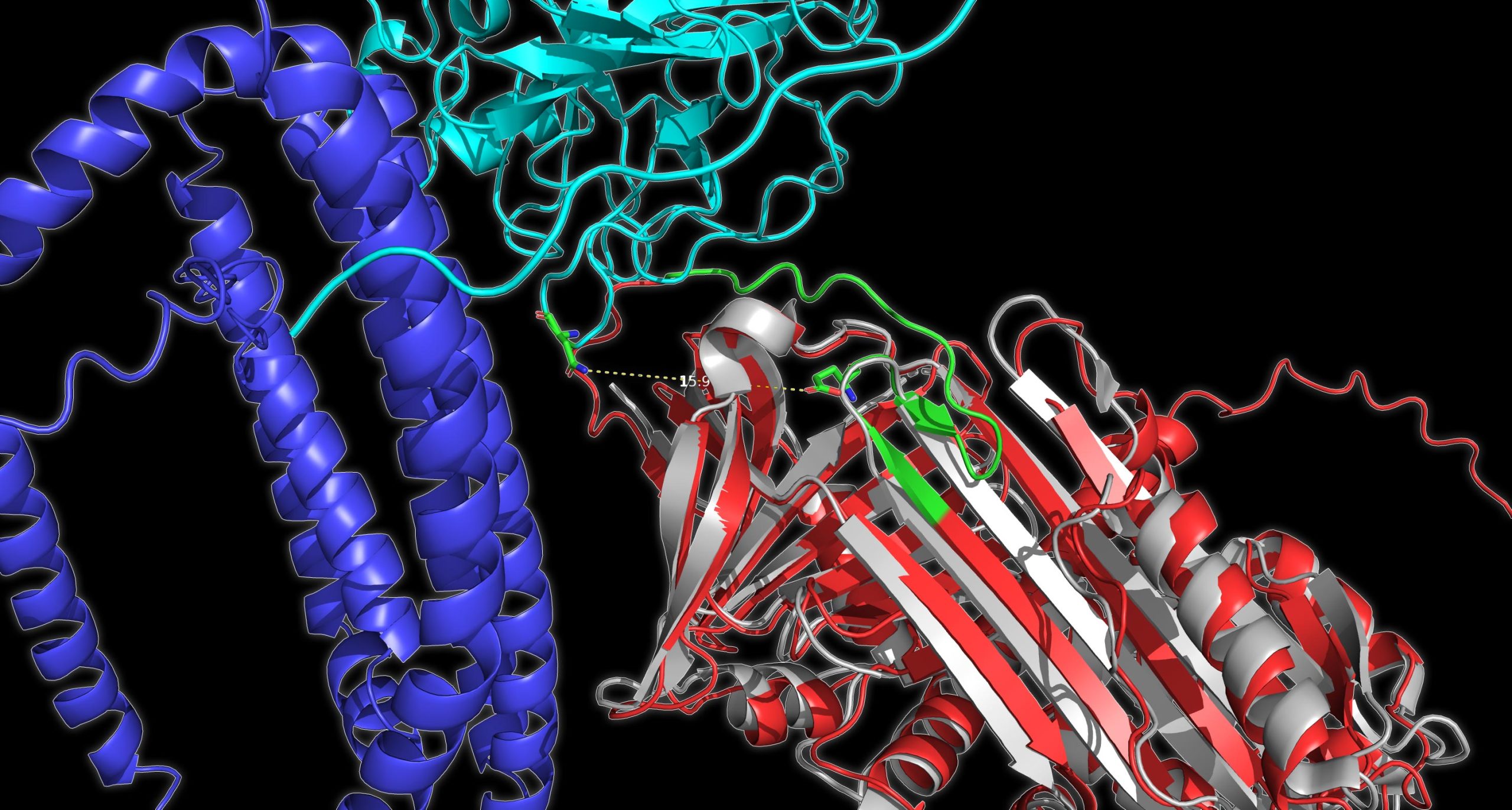
Researchers at Scripps Research published a blood-test method (Nature Aging, 27 Feb 2026) that analyzed plasma protein structure in 520 participants and classified cognitive status with ~83% overall accuracy and >93% in some pairwise comparisons. A three-protein panel (C1QA, clusterin, apolipoprotein B) achieved ~86% concordance on months-later follow-ups and tracked cognitive/MRI changes, suggesting potential as an earlier complement to amyloid/tau tests. Results are promising for earlier diagnosis but require larger, longer clinical studies before commercial or clinical deployment.
This structural-proteomics approach creates an adoption pathway that favors players with installed high-throughput MS workflows and centralized lab networks, not the tiny platform startups. If assays require complex MS plus ML pipelines, expect a multi-year sales cadence: capital equipment refresh and lab validation typically take 12–36 months, while reimbursement coding and payer acceptance often take an additional 12–24 months. That sequencing amplifies returns to incumbents who control reagent consumables, service contracts, and large customer relationships.
A second-order effect is the potential to compress AD R&D timelines by improving pre-screening and endpoint sensitivity. Faster, cheaper stratification could reduce screen-failures and shorten enrollment windows for Phase II/III trials by 20–40%, materially lowering trial costs and improving pharma free cash flow visibility across a 1–3 year horizon. Conversely, if regulators or payers demand neuropathological confirmation or show low clinical utility, that acceleration evaporates and premium valuations re-rate quickly.
Operational risk centers on throughput and standardization: mass-spectrometry–based structural readouts are sensitive to pre-analytical variability and require cross-lab harmonization. Expect winner-take-most consolidation among lab operators and instrument vendors, plus opportunistic M&A (acquisitions of boutique proteomics teams or IP) over the next 18–36 months. Monitoring large-cohort replication studies and any CMS/NCD signals will be the fastest way to separate noise from durable adoption.
AI-powered research, real-time alerts, and portfolio analytics for institutional investors.
Request DemoOverall Sentiment
mildly positive
Sentiment Score
0.35
