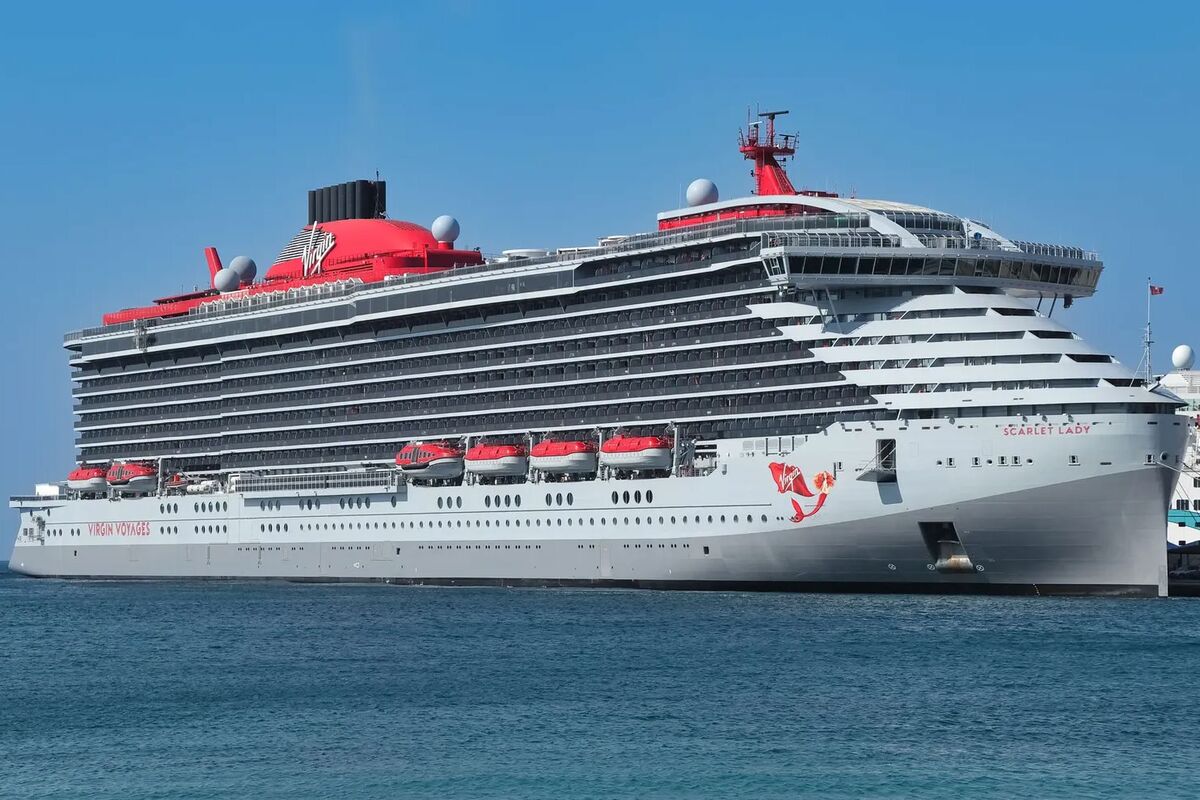
Turkey and Egypt blocked a cruise ship carrying over 1,900 LGBTQ tourists, with Turkish officials citing a “threat to Turkish society” and Egyptian port authorities ordering the Scarlet Lady to turn back near Alexandria. The action appears to be driven by “moral values” policy rather than operational issues, creating potential near-term disruption for the itinerary and related tourism revenues.
The market should treat this as a route-specific sovereign risk, not a demand shock to cruising broadly. The main economic effect is on niche charter operators and destination-dependent itineraries: if a port can veto a vessel for noncommercial reasons, then schedule reliability becomes a pricing variable, which lifts insurance, re-routing, and contingency costs for higher-margin specialty travel products. For public cruise names, the direct P&L hit is likely immaterial unless this starts happening across multiple jurisdictions or on repeat sailings.
The second-order winners are alternative destination formats: private-island, closed-loop, and expedition operators with tighter control over their stopping points, plus cruise lines with heavier Caribbean/Med-style routing flexibility. The losers are the most itinerary-sensitive premium offerings and any travel supplier exposed to discretionary rerouting costs, because every denied berth creates knock-on costs in fuel, crew time, and customer compensation. If there is any sympathy selloff in RCL, CCL, or NCLH, it would likely be a headline overreaction unless booking data starts showing cancellations in the LGBTQ-travel niche.
Contrarian view: the consensus may over-interpret this as a broad demand signal when it is really an availability signal. Socially motivated port restrictions tend to shift spend rather than destroy it, so the medium-term effect may be a reallocation toward friendlier destinations and more private or chartered products. The real watch item is whether this is isolated or the start of a broader pattern of port-access politicization; if repeat incidents emerge over the next 1-3 months, underwriters will likely reprice itinerary risk across the sector.
AI-powered research, real-time alerts, and portfolio analytics for institutional investors.
Request DemoOverall Sentiment
mildly negative
Sentiment Score
-0.30
