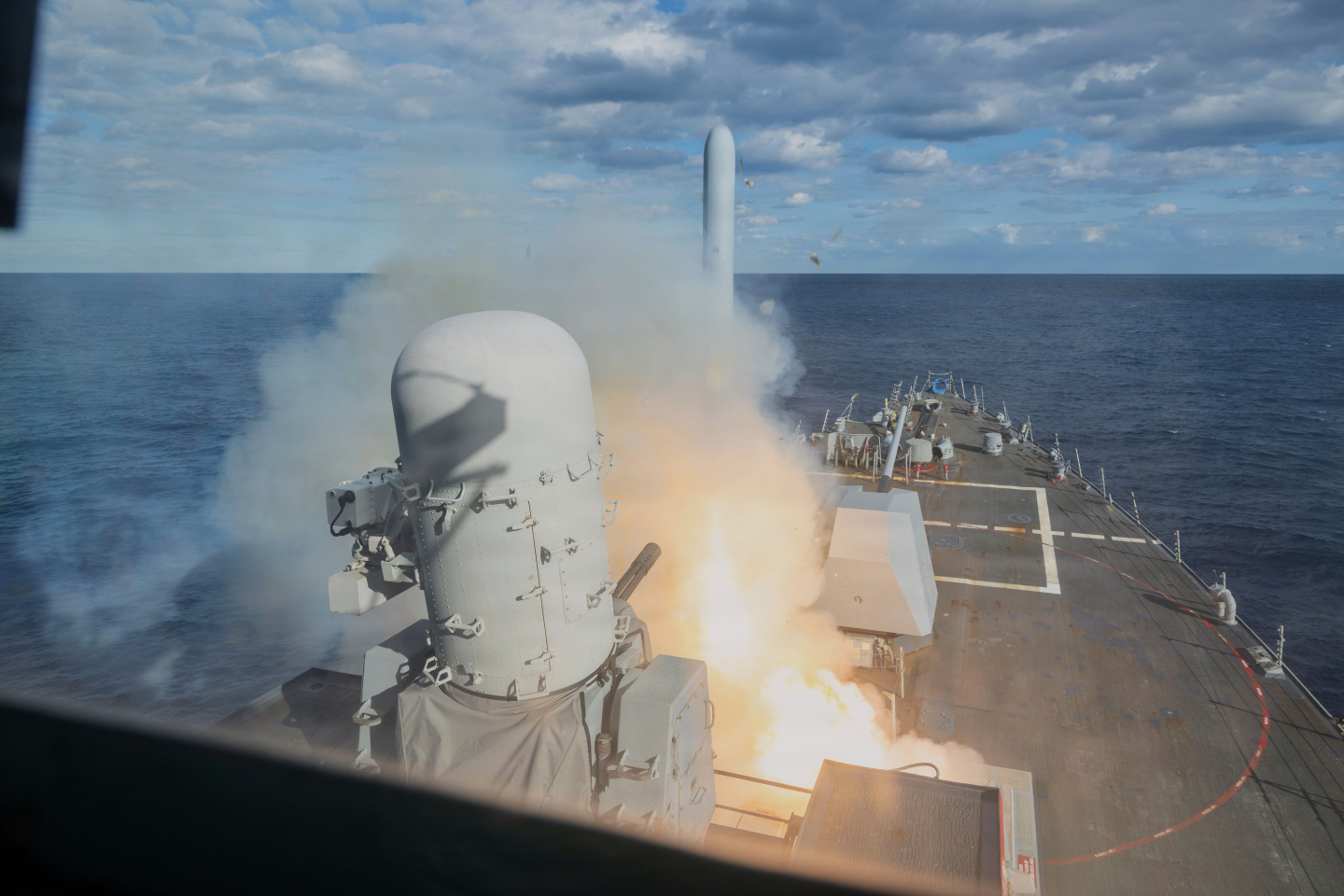
U.S. Central Command says U.S. and Israeli strikes have killed Islamic Republic leaders and destroyed thousands of military targets, signaling a major escalation in the air campaign against Iran. Expect heightened regional volatility with upward pressure on oil prices, safe-haven flows into USD and treasuries, potential upside for defense contractors, and downside risk for regional equities, shipping lanes and supply chains; monitor sanctions and retaliatory risks closely.
Current regional kinetic escalation is amplifying premium formation in defense procurement, insurance, and freight markets in ways that will persist beyond headline cycles. Expect multi-quarter funding tailwinds for primes with large service/upgrade backlogs (sustainment, ISR, munitions logistics), while smaller, specialized suppliers that own unique sustainment tech will see sharper margin expansion because they re-price work under fixed-cost contracts.
Energy and shipping channels are reacting asymmetrically: short-term insurance and rerouting push tanker/contango premia, which lifts spot freight and refined-product crack spreads within 2–12 weeks; integrated majors capture cashflow faster, but independent producers and drillservice firms capture ~60–80% of incremental margin if Brent stays elevated beyond 3 months. Financial counterparties exposed to Gulf transit insurance and war-risk layers—reinsurers and marine insurers—face 1–2 quarter earnings volatility and capital strain, particularly if claims cluster.
Macro tilts are binary and time-sensitive. In the first 30–90 days, market moves will be dominated by risk-premium repricing and tactical flows into safe havens; over 3–12 months, budget reallocations (defense capex, energy security stockpiles, insurance repricing) create durable winners. The main reversal path is rapid diplomacy or targeted de-escalation within 30–45 days, which would compress spreads and re-rate cyclicals sharply lower.
AI-powered research, real-time alerts, and portfolio analytics for institutional investors.
Request DemoOverall Sentiment
strongly negative
Sentiment Score
-0.70
