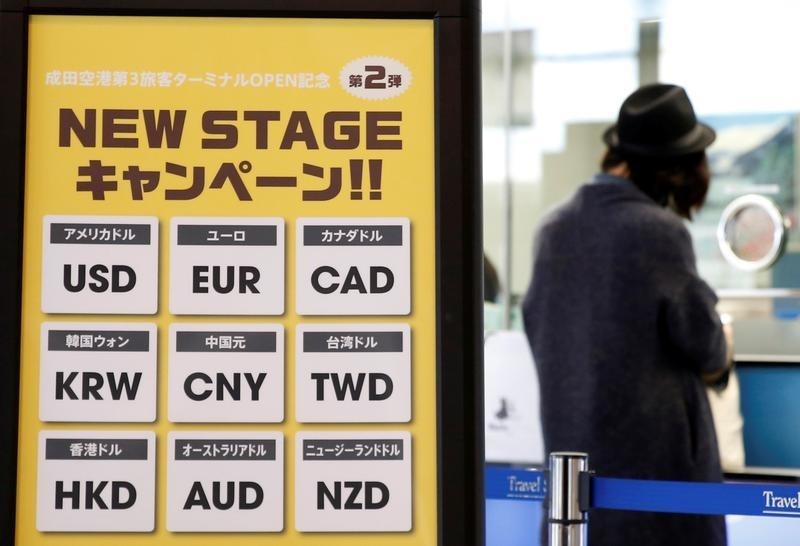
FX markets were jittery: USD/JPY rose 0.15% to 162.18 (yen weakest since 1986) and is on track to weaken ~2% in Q2, reviving risks of renewed Japanese intervention. The USD steadied near a 13-month high as investors braced for U.S. nonfarm payrolls, with recent stronger job growth keeping rate-elevated-for-longer expectations. China’s June factory activity unexpectedly returned to expansion, stabilizing the yuan (CNY/USD up ~0.1%), while risk sentiment stayed cautious amid U.S.-Iran talks.
The immediate market signal is not a broad risk-on; it is a rate-differential trade disguised as sentiment. A firmer dollar and higher-for-longer U.S. rates keep exporting financial stress into Asia, where balance sheets and local equities are more sensitive to currency moves than to one month of manufacturing data. That is why the weakest legs are the most foreign-owned, most rate-sensitive markets: Korea and Indonesia should continue to underperform if U.S. labor data stays strong and the dollar holds its bid.
For equities, the first-order winners are U.S.-dollar earners with structural demand, not cyclical domestic Asia names. TSM is comparatively insulated because its cash flows are tied to global AI capex and it has natural USD exposure; the bigger beneficiary of this setup is likely relative versus notional “Asia beta,” not absolute in one session. By contrast, firms and ETFs that depend on local capital inflows or domestic balance-sheet confidence are vulnerable to de-rating as FX weakness raises funding costs and forces central banks to choose between growth and currency stability.
The contrarian risk is that consensus may be overreading the Chinese factory bounce and underpricing intervention risk in JPY. Intervention can create a violent 1-3 day squeeze in USD/JPY without changing the 1-3 month trend if the Fed remains restrictive, so shorts in yen should be timed to rallies, not initiated blindly. Over 6-18 months, the more important question is whether persistent dollar strength starts to compress Asia valuation multiples enough to shift capital allocation back toward U.S. mega-cap and AI leaders; that would make this a durable relative-value theme, not just a quarter-end FX move.
AI-powered research, real-time alerts, and portfolio analytics for institutional investors.
Overall Sentiment
mildly negative
Sentiment Score
-0.15
Ticker Sentiment
