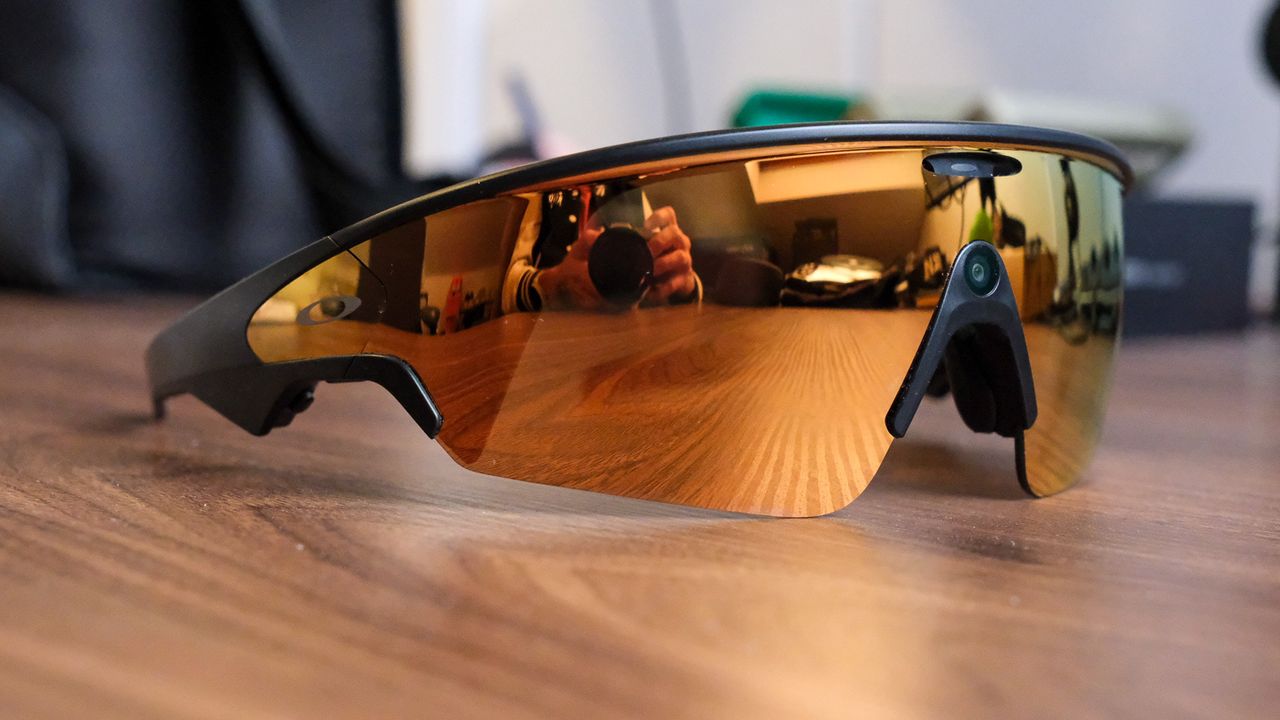
Smart glasses reached a more viable consumer phase in 2025 as improvements in LLMs, chips and displays produced wearable designs from Meta, Oakley (Meta HSTN and Vanguard), Ray-Ban Meta and startups like Even Realities that deliver useful AI features, heads-up info and ecosystem pairing (e.g., R1 ring). Key limitations — camera quality, durability, battery life, pricing and privacy concerns — persist, but continued tech progress and potential entry from Samsung or Apple could accelerate adoption and pose a threat to action-camera vendors if optics, durability and local AI improve and price points fall.
Market structure: Smart glasses create a two-tier winner set — platform owners and ecosystem integrators (Meta, Garmin) capture software/service margins while component suppliers (optics, microdisplays, batteries) capture hardware ASPs. Action-camera incumbents (GoPro) and low-margin wearable OEMs face unit-share erosion as convenience and AI features substitute for dedicated devices; expect 5–15% pricing pressure on entry-level action cams over 12–24 months. Cross-asset: modest positive for cyclical tech capex and semiconductors, slight tightening of high-yield spreads if consumer confidence follows product adoption; FX impact minimal but commodity demand (cobalt/lithium) could tick +1–3% over 12 months if volumes scale.
Risk assessment: Tail risks include privacy regulation (EU/US mandates for visible recording) and a high-profile misuse incident that could cut adoption by >30% in 6–12 months, and supply-chain disruptions for microLEDs that could double component lead times. Immediate (days) reaction windows are muted; short-term (weeks–months) driven by product reviews and holiday season placements; long-term (quarters–years) hinges on Apple/Samsung entry and unit-cost declines to sub-$200. Hidden dependencies: local AI compute (Qualcomm/inflection points) and battery energy density improvements; catalysts include Apple product leaks, component ASP declines >20% YoY, or new privacy laws within 90 days.
Trade implications: Favor platform/AI-exposed names (establish sized exposure to META) and select sports-integrated hardware (GRMN) while trimming pure-play action cam exposure (GPRO). Use option structures to limit cash exposure: 6–12 month call spreads on META sized 2–3% portfolio risk, and buy puts on GPRO to hedge substitution risk. Rotate away from low-margin consumer hardware into software/AI royalties and semiconductor beneficiaries; enter ahead of holiday 2025 promotions, scale into confirmed sales data.
Contrarian angles: Consensus underprices the durability problem — many users will keep action cams for quality, so a full share sweep is unlikely in 12–18 months; conversely the market underestimates ad/commerce monetization via glasses which could lift ARPUs by 10–30% for platforms. Historical parallel: smartphone cannibalization of point-and-shoots took 3–5 years; expect a similar multi-year cadence here. Unintended consequence: rapid feature parity could compress accessories/margins, making hardware a loss-leader to lock users into high-margin services.
AI-powered research, real-time alerts, and portfolio analytics for institutional investors.
Request DemoOverall Sentiment
mildly positive
Sentiment Score
0.34
Ticker Sentiment
