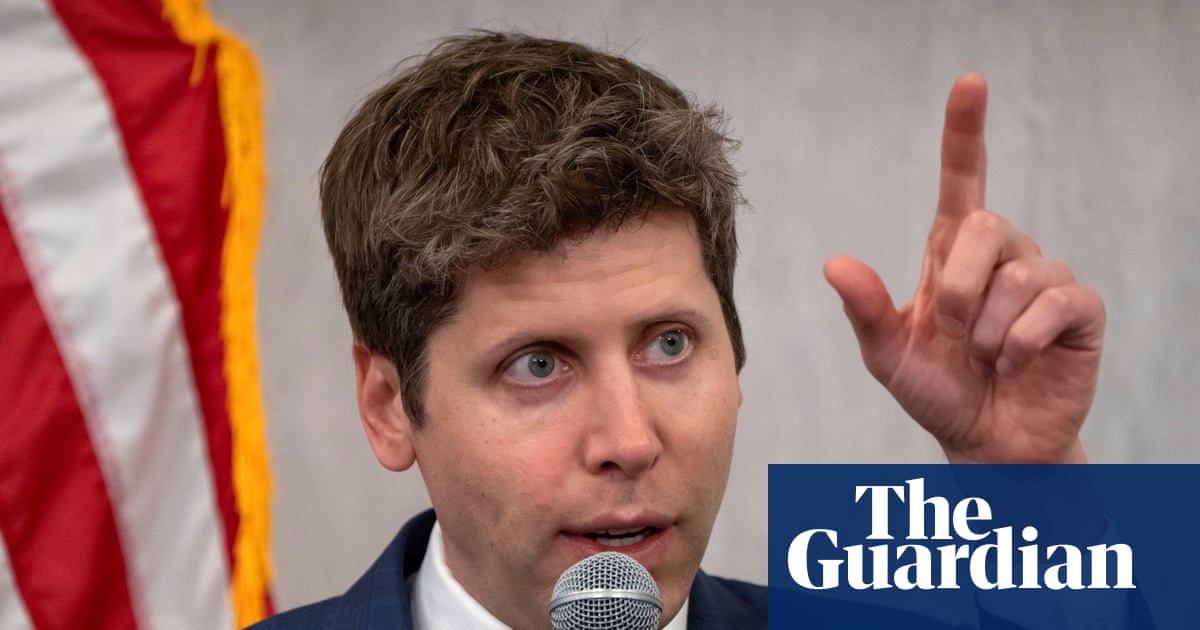
OpenAI is reportedly in early-stage talks to give the US government a 5% stake in ChatGPT’s developer, with other major US AI firms potentially matching the offer to ease relations with the Trump administration. The proposal comes amid Washington pressure on AI access, including Anthropic’s recent suspension and subsequent restoration of access to its newest model after government safety concerns. Talks are described as conceptual and could require an act of Congress to implement, while OpenAI and peers prepare for potential US listings that some investors expect could value the companies above $1tn combined.
This reads less like an earnings event and more like a bid to pre-empt a political rent-tax on AI. The market mechanism is not near-term revenue, but a higher policy discount rate for the sector: if Washington normalizes equity claims on frontier models, investors will start marking in a wider take-rate on future AI cash flows, which is modestly negative for public comps even if the proposal never becomes law.
The immediate winners are the firms best positioned to trade symbolic concessions for operational latitude. That favors the largest incumbents with the deepest lobbying footprint and the most to lose from licensing or access restrictions; it also makes the private names that want eventual public listings more sensitive to dilution and governance constraints. The real second-order risk is precedent: once “public stake” language enters the debate, it becomes easier for policymakers to shift from one-off equity participation to sector taxes, compute levies, or mandatory revenue-sharing.
For GOOGL and META, the direct P&L impact is negligible, but the valuation impact could persist if investors conclude AI policy is moving from light-touch oversight to quasi-utility regulation. The contrarian view is that the headline may actually be bearish for the private AI asset class: a government stake creates misaligned incentives, slows capital formation, and raises the odds that strategic disclosures, export controls, and model-access rules become more intrusive over the next 6-18 months. If Congress shows no appetite to legislate, the trade should fade quickly; if hearings or draft bills emerge, the policy discount becomes real.
The key falsifier is simple: if this remains a conceptual talking point without a draft bill, there is no durable earnings impact. But if a formal framework appears, I would expect AI multiples to compress before any operating hit shows up, with the first-order reaction showing up in the private-market value of OpenAI/Anthropic and the second-order spillover into public-sector AI proxies.
AI-powered research, real-time alerts, and portfolio analytics for institutional investors.
Request DemoOverall Sentiment
neutral
Sentiment Score
0.10
Ticker Sentiment
