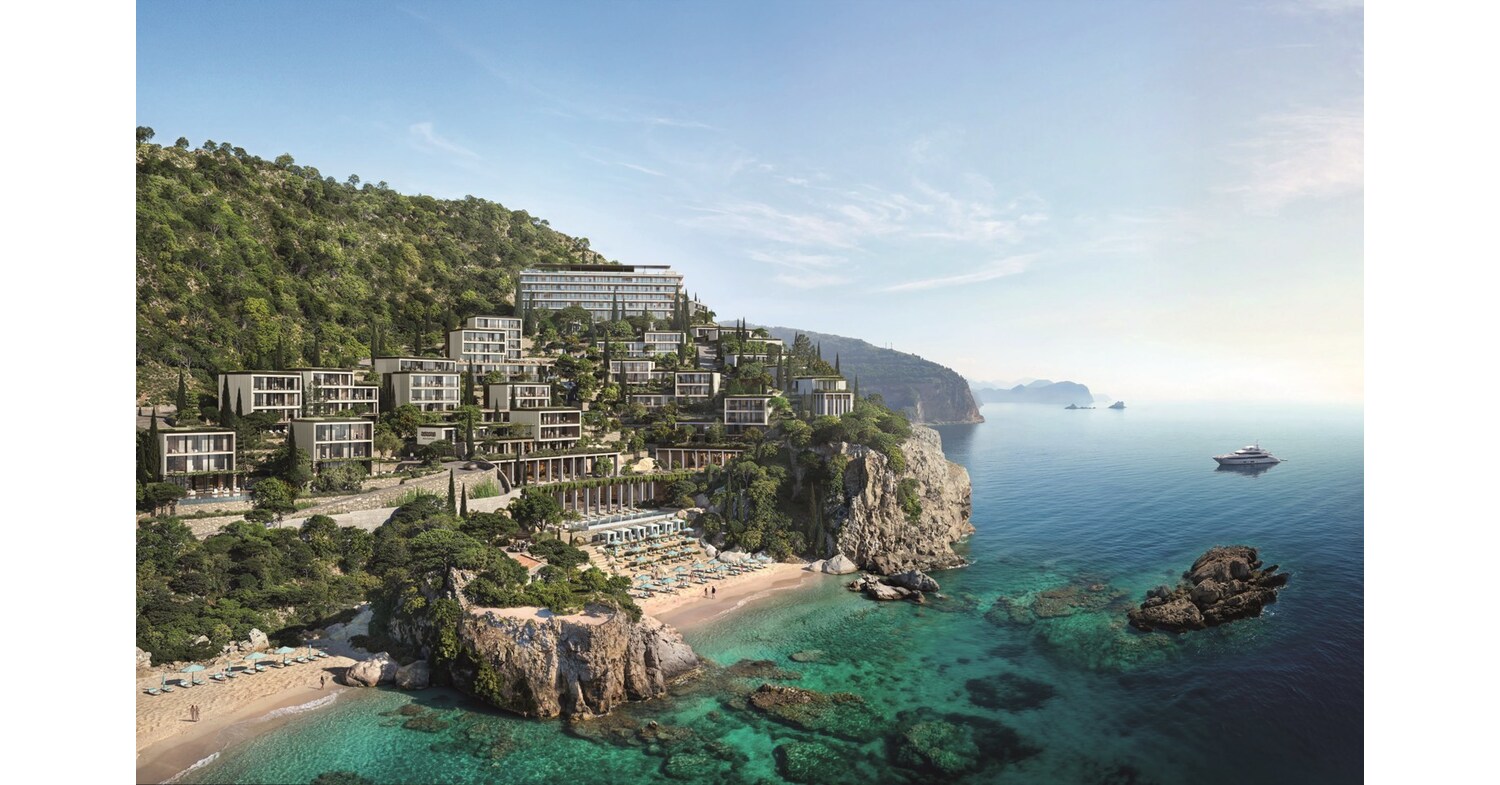
Nammos Hotels & Resorts se alía con Smokva Bay para desarrollar Nammos Resort Montenegro, un destino de lujo totalmente integrado en la Riviera de Budva (a ~10 minutos de Sveti Stefan). El complejo contará con 117 unidades (47 suites de hotel, 61 residencias y 9 villas) y se inaugura en 2029, mientras que el Restaurante Nammos operará como pop-up en 2026 en Sveti Stefan. La noticia es positiva para el crecimiento internacional y la propuesta de estilo de vida, aunque con impacto bursátil limitado por tratarse de una iniciativa de desarrollo.
This is more brand positioning than a near-term earnings event: the economic value is back-end-loaded to a 2029 opening, while the 2026 pop-up is mostly a demand-test for pricing power. The key market mechanism is not room count; it is whether a luxury lifestyle flag can lift ADR and ancillary spend enough to justify high fixed-cost development in a thin Adriatic market. If the concept works, the real winners are the adjacent ecosystem—premium operators, high-end F&B suppliers, and local real estate tied to branded residences—because the halo effect is usually monetized first through sales velocity and second through repeat visitation.
The bigger second-order effect is competitive pressure on nearby ultra-luxury assets around the Budva/Sveti Stefan corridor. A successful launch would likely compress the scarcity premium enjoyed by incumbent boutiques, but only if it attracts a true international clientele rather than just re-circulating regional demand. For listed markets, the closest read-through is to global luxury travel and hospitality names with Mediterranean exposure (BKNG, HLT, MAR), but the impact is too diffuse to justify a direct fundamental trade absent evidence of pre-sales, occupancy, or rate data.
The contrarian risk is that this is a classic trophy-project story: expensive, heavily branded, and highly sensitive to execution, permitting, and financing, with a long interval before cash generation. Any slowdown in European high-end travel, tightening in resort development credit, or delays to infrastructure would make the 2029 asset look like a marketing asset rather than a profit engine. In that case, the stock-market signal would be more about overextrapolation into luxury demand than about Montenegro itself.
AI-powered research, real-time alerts, and portfolio analytics for institutional investors.
Request TrialOverall Sentiment
mildly positive
Sentiment Score
0.25
