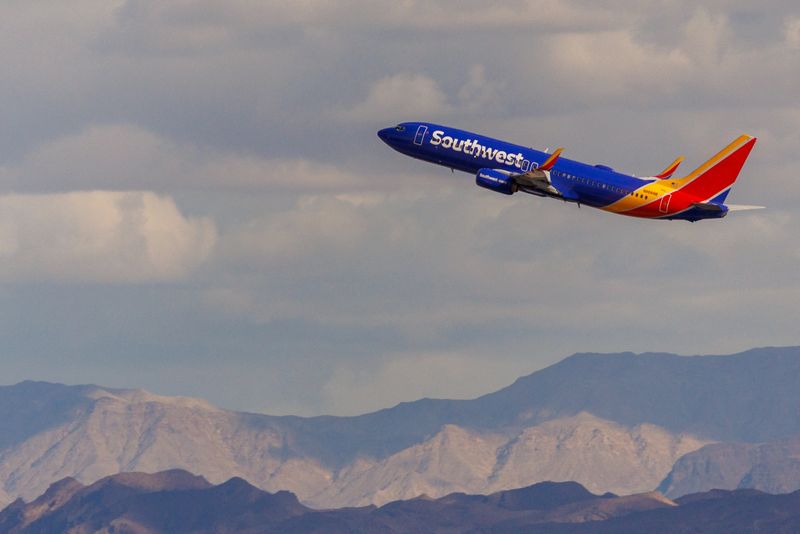
Oil topping $100/bbl amid the Iran conflict is creating sharp cost pressure on airlines as jet-fuel refining margins have risen materially, squeezing carrier profitability. Impact is heterogeneous: network carriers, those with strong balance sheets and fuel hedges (noted hedges into 2026), and airlines with Asian route exposure are more resilient, while low-cost carriers and maintenance/aftermarket suppliers face the biggest downside if airlines delay overhauls or cut utilization. Aircraft OEMs (Airbus, Boeing) are less exposed near-term due to order backlogs approaching ~10 years of production, but a prolonged Strait of Hormuz disruption could push oil much higher and materially worsen sector stress.
The immediate winners are balance-sheet-strong refiners and integrated producers that capture rising crack spreads and can pass through fuel cost inflation to industrial customers; their FCF sensitivity to refining margins is higher than majors, so expect a near-term re-rating if jet/refinery cracks remain wide for 3-6 months. Within airlines, business model differences matter more than headline traffic: carriers with >40–50% of fuel needs hedged into the next 12–18 months will see materially lower profit-share volatility versus unhedged LCCs, and route exposure (Asia vs intra-US) will amplify this divergence.
Second-order supply chain effects are asymmetric and time-lagged: rerouting and longer block hours raise engine cycles and interim MRO demand, but cash-stressed carriers will likely defer non-critical shop visits, creating a 1–4 quarter dichotomy where MRO toplines tick up initially then downshift as deferrals accumulate. Marine and aviation insurance adjusting to geopolitical risk will raise unit costs on cargo and passenger lift (effectively a per-block-hour tax), compressing margins especially on long-haul flows where reroutes add 5–20% block hours.
Key tail risks and catalysts are fast-moving: a localized ceasefire or coordinated SPR release can normalize spreads inside weeks, while a protracted chokepoint closure or insurance market shock can keep elevated costs for 6–24+ months. The consensus underestimates option-like outcomes: short, sharp disruptions benefit refiners and freight insurers quickly; prolonged disruptions compound balance-sheet stress in airlines and bleed into aftermarket suppliers over multiple quarters.
AI-powered research, real-time alerts, and portfolio analytics for institutional investors.
Request DemoOverall Sentiment
mildly negative
Sentiment Score
-0.25
Ticker Sentiment
