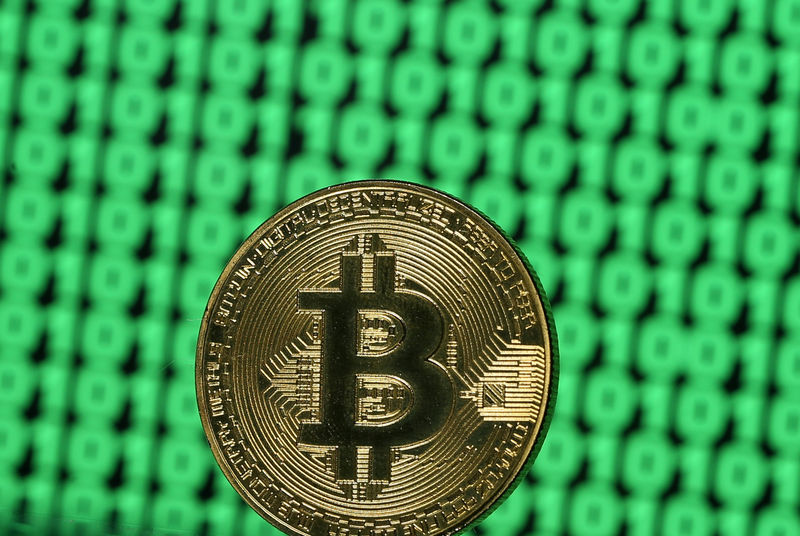
Oil prices jumped on renewed U.S.-Iran attacks tied to Strait of Hormuz shipping risk, reigniting inflation concerns ahead of the Fed (June meeting minutes due later Wednesday). Bitcoin fell 1.2% to $62,553.2 (after trading above $64,500 previously), with most altcoins extending declines: XRP -4% to $1.0874 and Cardano -7% (Ethereum -1.8% to $1,747.92). Despite the dip, U.S. spot Bitcoin ETFs posted three straight days of net inflows, helping partially offset late-June lows.
The cleanest near-term mechanism is not a broad “risk-off” tape, but a sectoral transfer: an energy-risk premium lifts cash flow expectations for upstream and integrated names while compressing the earnings visibility of fuel-intensive businesses. Airlines, trucking, chemicals, and lower-quality consumer names tend to feel the margin hit before they can pass through costs, so the first-order winner is energy and the second-order loser is duration-sensitive cyclicals that already trade on thin forward margins.
Crypto is being treated more like a liquidity-sensitive beta asset than a macro hedge over the next few sessions. ETF inflows provide a floor for spot, but a geopolitical oil shock raises the odds of a higher-for-longer inflation narrative, which historically hits COIN, MARA, and RIOT harder than BTC itself because equity holders absorb both token volatility and financing/multiple risk. The altcoin selloff matters: it suggests de-risking, not a selective rotation into the best franchises.
Contrarianly, the market may be overpricing headline escalation relative to actual supply loss. If tanker flows through Hormuz remain functional and the Fed minutes do not sound more inflation-panicked, crude’s impulse can fade fast while BTC stabilizes on ETF demand and the pending SEC rule proposal improves the 1-3 month setup for the whole complex. The key falsifier is a sustained Brent hold above the current shock level or a visible deterioration in shipping; absent that, this looks tactical rather than structural.
AI-powered research, real-time alerts, and portfolio analytics for institutional investors.
Overall Sentiment
mildly negative
Sentiment Score
-0.25
Ticker Sentiment
