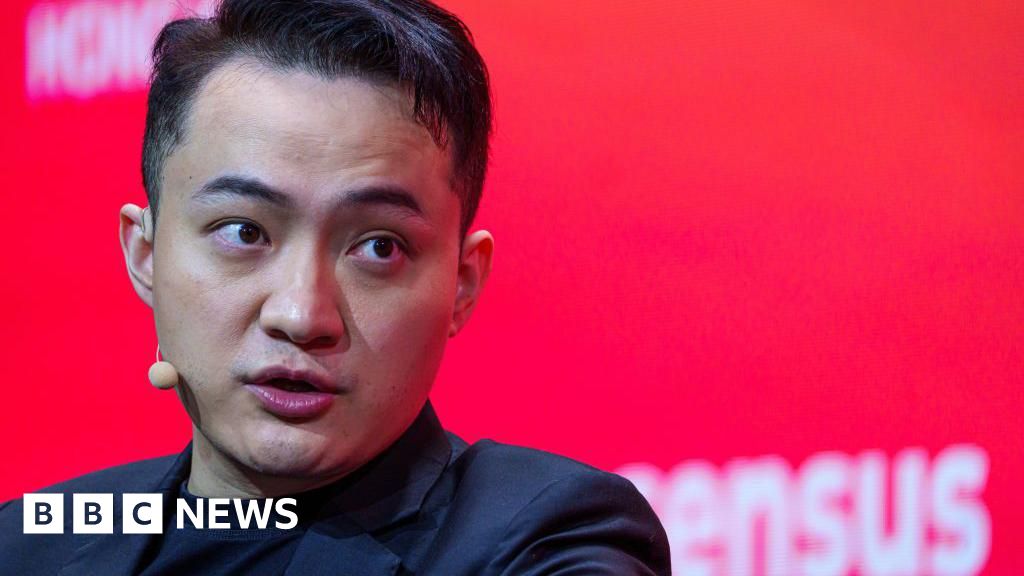
Justin Sun has sued World Liberty, alleging the Trump-family crypto venture illegally froze his WLFI tokens, stripped governance rights, and threatened to burn them. Sun says he invested $45m and at times his tokens were worth more than $1bn, while WLFI has denied wrongdoing and accused him of misconduct. The dispute adds legal and governance risk to the token, which has already fallen from 31 cents in September to just under 8 cents.
This is less a single-name dispute than a signal that Trump-linked crypto structures are entering the classic “founder-control overhang” phase: token economics that were marketed as governance-bearing are now being stress-tested by insiders, early backers, and legal counsel. That shifts the market’s focus from narrative premium to enforceability premium; once traders believe transferability or voting rights can be selectively overridden, the token’s discount rate rises sharply and secondary liquidity becomes more fragile. The immediate loser is any holder using these tokens as collateral, because a frozen or burnable asset is close to unfinanceable in practice even if it still prints on-chain.
The second-order effect is reputational contagion across the broader Trump-branded digital asset complex. If the market starts to view the family name as monetization with governance risk rather than as a distribution catalyst, then the ceiling on new token launches, affiliate deals, and promotional velocity comes down. That matters more for sentiment than for direct economics: meme and governance tokens trade on reflexive trust, and once that trust is impaired, recoveries usually take months, not days.
For TRON, the near-term issue is not fundamentals but counterparty optics and regulatory attention. Sun’s legal posture increases the probability of additional disclosure, wallet-flow scrutiny, and exchange risk-management tightening around his ecosystem over the next 1-3 months. The market is likely underpricing the possibility that this spills into broader enforcement narratives around paid promotion, undisclosed influence, and token control rights, which could compress multiples across smaller cap crypto projects even if Bitcoin remains stable.
The contrarian take is that the damage to the most obvious long/shorts may be overdone in the very short term because litigation headlines can also flush weak hands and reset pricing faster than fundamentals would justify. But the medium-term asymmetry is still negative: if discovery produces internal communications about governance promises or token restrictions, the downside re-rating could be another 20-40% from already depressed levels, while any settlement likely confirms that the token is fundamentally subordinate to management discretion.
AI-powered research, real-time alerts, and portfolio analytics for institutional investors.
Request TrialOverall Sentiment
strongly negative
Sentiment Score
-0.65
Ticker Sentiment
